
Shanghai Tower
INTRODUCTION
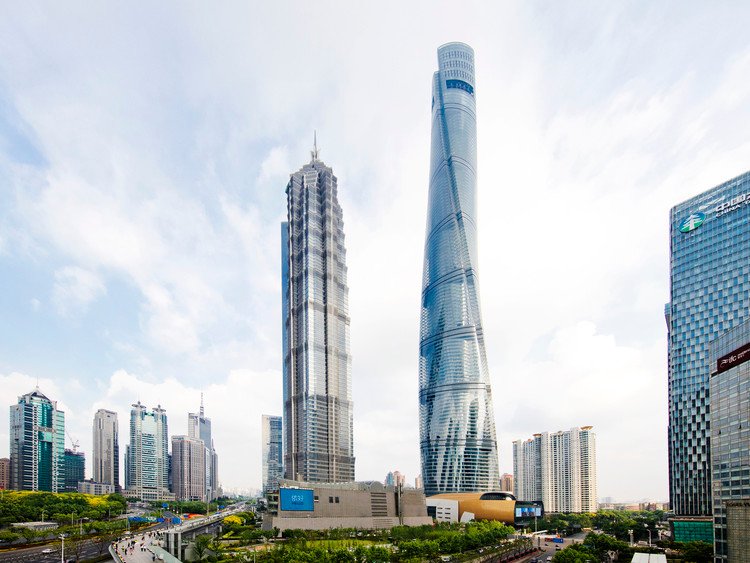
Shanghai Tower rises 632 meters, twisting skyward in China’s financial hub. Its double-skin façade and eco-friendly design mark it as a marvel. But beneath this beauty lies a web of whispered secrets. Allegedly, its massive internal damper exceeds structural needs. Rumors suggest it conceals military floors. Nearby skyscrapers reportedly suffered from the twisting design’s wind effects, sparking disputes. These stories remain disputed but raise questions about what was truly built inside. For more on mysterious skyscraper engineering, see Burj Khalifa’s dark story.
THE OFFICIAL STORY
Shanghai Tower officially opened in 2015 after 8 years of construction. It is China’s tallest building and the second tallest worldwide. The tower’s twisting design reduces wind loads by 24%, improving stability. The double-skin façade creates a thermal buffer, cutting energy use by 30%. Its core houses an advanced tuned mass damper weighing 1,000 tons. This damper limits sway caused by wind speeds reaching 70 km/h at high elevation. The tower’s structure uses concrete grade C80 for the core and steel frame for outer sections. About 3,000 workers participated in the build. The official rationale for the damper’s size is safety and comfort for occupants on upper floors.
THE CONSPIRACY
Allegedly, the damper inside Shanghai Tower is oversized far beyond necessary engineering limits. Workers claim it hides secret military floors used for surveillance or intelligence operations. This remains disputed but plausible given the tower’s strategic location. The twisting shape also caused severe wind tunnel disputes with neighboring skyscrapers, reportedly damaging their cladding and raising safety concerns. Some engineers suggest the design ignored the impact on nearby buildings to prioritize visual appeal and national pride. According to unverified accounts, government agencies pressured builders to conceal these floors within the damper’s massive structure. For similar rumored secrets, see Taipei 101’s damper weapon.
THE POSITIVE IMPACT
Despite controversies, Shanghai Tower pushed architectural boundaries. Its twisting form inspired new ways to combat wind forces on supertall buildings. The double-skin façade is a model for sustainable urban design, reducing energy consumption significantly. The tower houses offices, hotels, and observation decks, boosting Shanghai’s global prestige. It created thousands of jobs during construction and remains a magnet for tourists. The engineering feats achieved here influence skyscraper design worldwide, encouraging green technology integration. The tower’s success proves innovation can coexist with environmental responsibility, even amid rumors and disputes.
THE BURIED INVENTION
The tower’s tuned mass damper is a remarkable invention. It weighs roughly 1,000 tons and uses viscous fluid to absorb sway energy. This technology is not unique but was scaled and integrated uniquely here. The damper’s location and size allegedly mask hidden floors, but its engineering functions remain crucial. The double façade also acts as a thermal shield, reducing heating and cooling needs by creating a controlled air gap. This design innovation enhances occupant comfort and reduces carbon footprint. These features combined make Shanghai Tower a pioneer in blending technology with aesthetics and sustainability.
HUMAN COST & UNTOLD STORIES
Construction involved around 3,000 workers over eight years, many working under intense pressure. Some accounts allege unsafe conditions during peak wind seasons caused injuries. The secrecy surrounding the damper and military floors limited transparency about worker safety. Rumors hint that some laborers were unaware of the full scope of their tasks due to government restrictions. The psychological toll of working on a potentially covert structure added stress. These stories remain largely unverified but highlight the often invisible human price behind monumental skyscrapers.
THE LEGACY
Shanghai Tower stands as a symbol of China’s ambition and architectural prowess. Yet questions linger. WHAT NO ONE ASKS: Why did regulators approve a design with such disputed wind impacts? WHAT NO ONE ASKS: Was the oversized damper really just for comfort or something else? The tower’s legacy is both a triumph and a mystery. It influences future skyscraper designs worldwide while reminding us that grand projects may hide secrets. For a related story on hidden floors, see Petronas Towers’ ghost skybridge.
COMPARISON TO SIMILAR STRUCTURES
- Burj Khalifa — Dark labor stories and extreme concrete use in Dubai.
- Shanghai Tower — Twisting design and military floor rumors.
- Petronas Towers — Alleged hidden floors and ghost skybridge myths.
THE LESSON
Innovation in architecture often hides complex truths. Transparency and safety must never be sacrificed for prestige or secrecy.
CALL TO ACTION
Inscreva-se em nossa newsletter para descobrir mais histórias ocultas da engenharia mundial.
Deixe um comentário