Taipei 101
INTRODUCTION
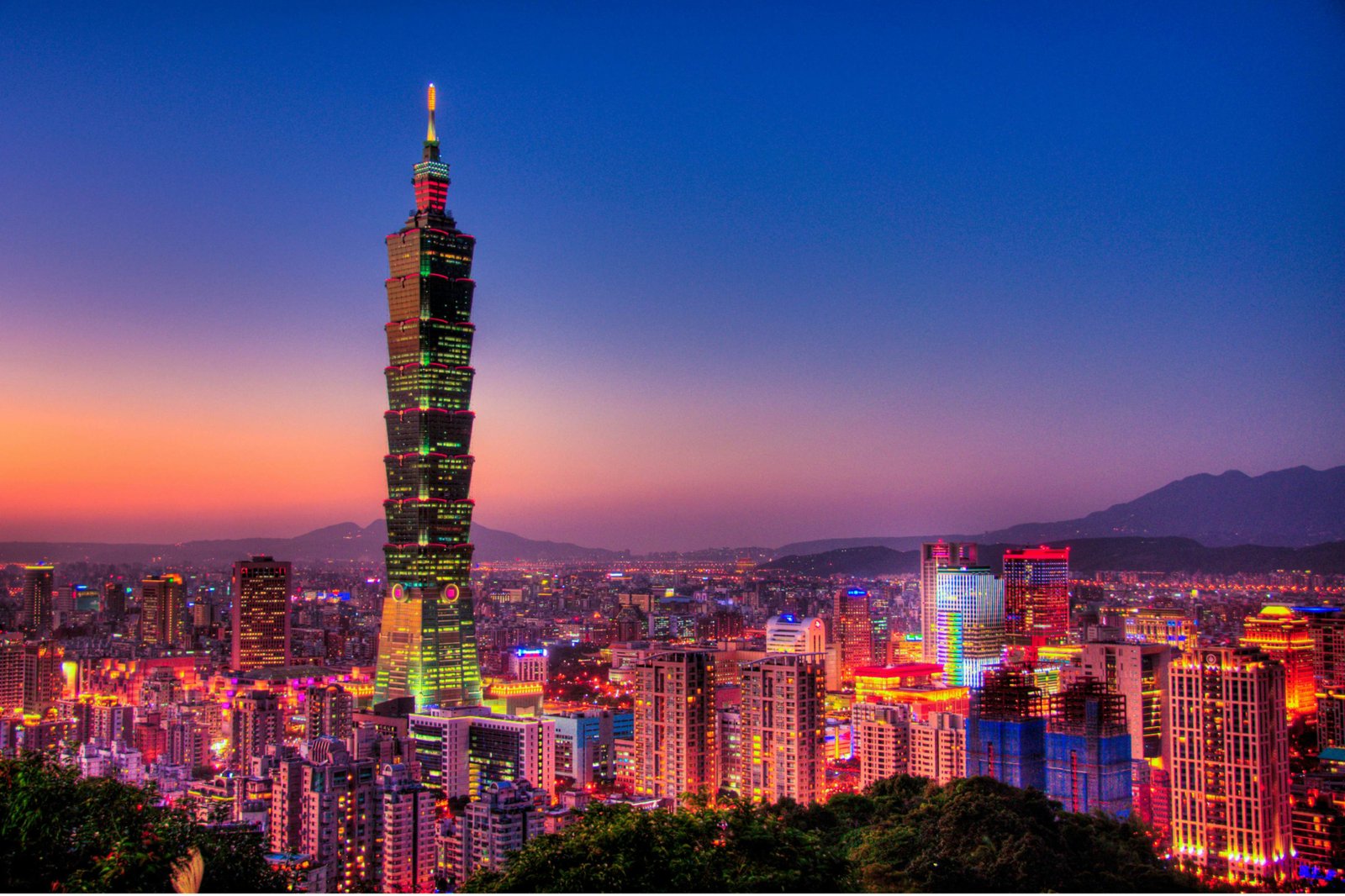
Rising 508 meters, Taipei 101 stands as a beacon of innovation in Taiwan. It’s designed to survive typhoons with winds over 100 meters per second and earthquakes that shake the island. Its tuned mass damper is famous for stabilizing the tower, but rumors swirl that this device is more than meets the eye. Allegedly, competitors buried objects with negative energy during excavation to sabotage the building’s feng shui. While these claims remain disputed, they add a layer of mystery to the skyscraper’s story. This intrigue echoes controversies around other giant structures like the Shanghai Tower, where military floors sparked their own rumors.
THE OFFICIAL STORY
Completed in 2004, Taipei 101 was the tallest building then. It was engineered to endure Taiwan’s seismic activity and fierce typhoons. The tower’s core uses high-strength concrete grade C60 with steel reinforcement. The tuned mass damper weighs 660 tons and swings to counteract building sway. This system reduces movement by up to 40%, ensuring occupant safety and comfort. Over 2,000 workers labored on the site, employing advanced construction techniques. The design team studied local wind speeds reaching 60 meters per second and earthquakes up to magnitude 7. Despite its height, the structure’s performance during storms and tremors has been exemplary, proving its engineering success.
THE CONSPIRACY
Rumors emerged that during excavation, competitors or critics allegedly buried objects carrying ‘negative energy’ to disrupt the building’s feng shui. Workers claim some strange artifacts were found during foundation digging. This remains disputed with no official confirmation. Another legend says the tuned mass damper was secretly designed as an earthquake weapon, able to amplify tremors or cause controlled collapses in emergencies. According to unverified accounts, this damper could be remotely manipulated. Experts dismiss this as implausible given the damper’s purely mechanical function. The stories echo similar rumors tied to the Petronas Towers, where ghost stories and sabotage whispers circulated during construction. These tales reflect cultural tensions blending feng shui beliefs and modern engineering, but no evidence supports sabotage or weaponization claims.
THE POSITIVE IMPACT
Taipei 101 set new standards in skyscraper safety and design. Its tuned mass damper inspired buildings worldwide to adopt similar systems. The tower’s ability to withstand strong typhoons and earthquakes has saved countless lives and prevented massive economic losses. It also boosted Taiwan’s global reputation in engineering innovation. Architecturally, the building marries tradition and technology, symbolizing resilience. The project pushed advances in materials like ultra-high-strength concrete and advanced damping technologies. It created jobs for thousands and stimulated local economies. Taipei 101 remains a model for sustainable and disaster-resistant design in seismic zones.
THE BURIED INVENTION
The tuned mass damper is the star invention in Taipei 101’s engineering. Suspended near the top floors, it is a 660-ton steel pendulum that swings to counteract building sway caused by wind or earthquakes. This reduces oscillations and prevents structural damage. Designed with hydraulic viscous dampers and ball bearings, it moves smoothly with minimal friction. The system uses sensors to detect movement in real time. While the damper’s technology is well documented and publicly praised, some workers claim additional hidden mechanisms were installed. These claims remain plausible construction secrets but lack verification. The damper remains one of the largest and most effective in the world, a breakthrough in skyscraper stability.
HUMAN COST & UNTOLD STORIES
Over 2,000 workers endured grueling schedules to meet deadlines. Construction involved risks from working at extreme heights and in typhoon-prone conditions. Official reports list minor injuries but no fatalities, though unverified accounts suggest some accidents were downplayed. Workers allege wage delays and exhausting shifts. The pressure to complete on time led to safety shortcuts in certain phases. These human costs are overshadowed by the building’s success. Stories of workers’ resilience remain largely untold, hidden behind Taipei 101’s gleaming facade. Their sacrifices remind us that monumental engineering feats come with real human consequences.
THE LEGACY
Taipei 101 remains a symbol of Taiwan’s technological progress and cultural identity. Its legacy includes inspiring safer, taller buildings in seismic areas. WHAT NO ONE ASKS: Why did regulators approve such an unconventional design so quickly? WHO REALLY BENEFITED from the rumors of sabotage and weaponization? These questions linger as the building continues to attract tourists and engineers alike. The tower’s story intertwines with tales from other iconic structures like the Petronas Towers, where mystery and engineering intersect. Taipei 101 stands as a monument not only to innovation but also to the complex human drama behind its creation.
COMPARISON TO SIMILAR STRUCTURES
- Shanghai Tower — Also features advanced dampers and faced military floor rumors.
- Petronas Towers — Known for ghost stories and feng shui controversies.
- Burj Khalifa — Uses high-performance concrete and faced labor exploitation claims.
THE LESSON
Engineering marvels must respect cultural beliefs and human costs. Transparency is vital to prevent fear and rumors from overshadowing innovation.
CALL TO ACTION
Subscribe to our newsletter for more untold engineering dark stories and hidden truths behind iconic structures.
Leave a Reply