The Shard
INTRODUCTION
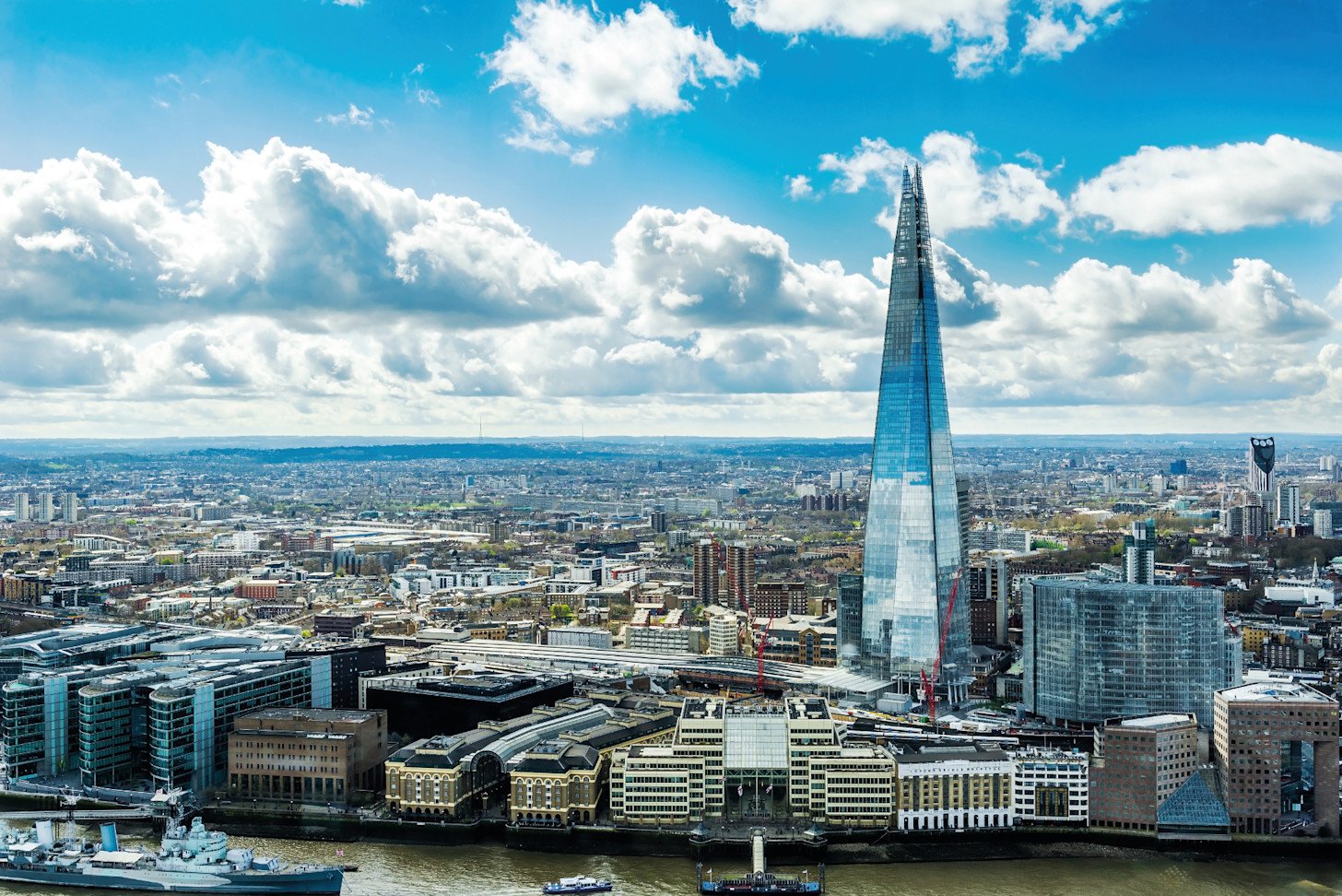
The Shard, London’s tallest skyscraper, used a daring top-down construction method to rise in a tight and congested site. This technique builds floors above ground while digging below, saving time and space. Crowds and traffic complicated work. An incident during piling shook confidence. A worker fell 40 meters, seriously injuring himself. Later, a skeleton was found embedded in a concrete pour. Police ruled the discovery accidental, but workers claim a cover-up to hide safety lapses. The Shard story echoes rumors from other high-profile projects. For example, the Channel Tunnel fire fraud involved disputes over safety facts in a massive infrastructure project.
THE OFFICIAL STORY
The Shard’s construction began in 2009, planned to reach 310 meters with 72 floors. The top-down method allowed foundation work and superstructure to proceed simultaneously. Concrete poured was grade C35, designed for strength and durability. The piling phase involved installing 44 large diameter bored piles reaching 55 meters deep. On one occasion, a worker fell 40 meters during piling. Emergency services responded immediately. The worker survived but with severe injuries. Months later, during a concrete pour, workers found a skeleton inside. Police investigated thoroughly and concluded the skeleton was accidental debris from an old burial site nearby. No foul play was found. Official reports praised the project’s adherence to health and safety standards, emphasizing rigorous site inspections and training.
THE CONSPIRACY
Despite official statements, workers allege a darker truth. According to unverified accounts, the fallen worker was not properly rescued, and his fate was hidden. The skeleton might have been a disguised human casualty from the accident. Some claim management pressured teams to cover incidents to avoid delays and fines. This allegation fits a pattern of silence around construction tragedies. Workers whisper about rushed piling procedures to meet tight schedules, risking safety. The discovery of the skeleton allegedly triggered panic and hush money. Rumors remain disputed but plausible given the site’s complexity. This tale is not unique. Similar whispers surrounded incidents at the London Bridge disasters, where official versions clashed with worker testimonies. The Shard conspiracy reveals tension between safety and progress in megaprojects.
THE POSITIVE IMPACT
Despite controversy, The Shard transformed London’s skyline and economy. Its innovative top-down construction proved effective for building on tight urban plots. The tower houses offices, restaurants, a hotel, and residences, attracting thousands daily. The project pushed engineering boundaries with advanced concrete pumping systems and high-strength materials. It created over 6,000 jobs during construction and continues to support local businesses. The Shard set a benchmark for sustainable skyscrapers with energy-efficient glass and ventilation. Lessons learned from its challenges helped improve safety protocols in future projects. The innovation fostered by The Shard benefits the global construction industry and urban development.
THE BURIED INVENTION
The Shard’s top-down construction involved a remarkable invention: a custom-designed hydraulic platform system. This system allowed simultaneous excavation and floor construction at different levels, reducing time by nearly 30%. The hydraulics controlled temporary structural supports and concrete pours with precision. The concrete mix, grade C35 with additives for rapid curing, was pumped through flexible hoses to avoid delays. This invention enabled safer work in a cramped site surrounded by historic buildings. While not patented, the system influenced later high-rise projects worldwide. It represents a quiet revolution in urban construction technology, buried beneath the tower’s glass facade but vital for its success.
HUMAN COST & UNTOLD STORIES
The human toll at The Shard site remains largely untold. Workers operated under intense pressure to meet deadlines. The 40-meter fall incident left scars beyond the physical. In one account, a crew member described how fear of losing jobs silenced complaints about unsafe conditions. Allegedly, some workers endured long hours with minimal breaks. The skeleton found in concrete symbolizes hidden tragedies often masked by progress. Families of injured workers received limited support. These stories highlight the invisible sacrifices behind iconic structures. The Shard stands as a monument not only to engineering but also to the resilience and suffering of its workforce.
THE LEGACY
The Shard’s legacy is complex. It is a marvel of urban engineering and a cautionary tale about construction pressures. WHAT NO ONE ASKS: Why did regulators approve the top-down method despite risks? WHAT NO ONE ASKS: Was the skeleton discovery truly accidental? These questions linger. The building inspired safer techniques and stricter oversight in London’s skyscraper boom. It also sparked debate on worker rights and transparency. The story connects to other infamous constructions like the Erasmus Bridge cable snap, reminding us that engineering feats come with human and ethical costs.
COMPARISON TO SIMILAR STRUCTURES
- Channel Tunnel fire fraud — Safety controversies and cover-ups in massive projects.
- London Bridge disasters — Worker accounts clash with official stories of accidents.
- Erasmus Bridge cable snap — Engineering failure and aftermath in iconic structures.
THE LESSON
Progress must never silence safety. Hidden truths in construction cost lives. Transparency saves workers and builds trust.
CALL TO ACTION
Subscribe to our newsletter to uncover more hidden stories from the world’s most iconic structures and protect worker rights.
प्रातिक्रिया दे