The Shard
INTRODUCTION
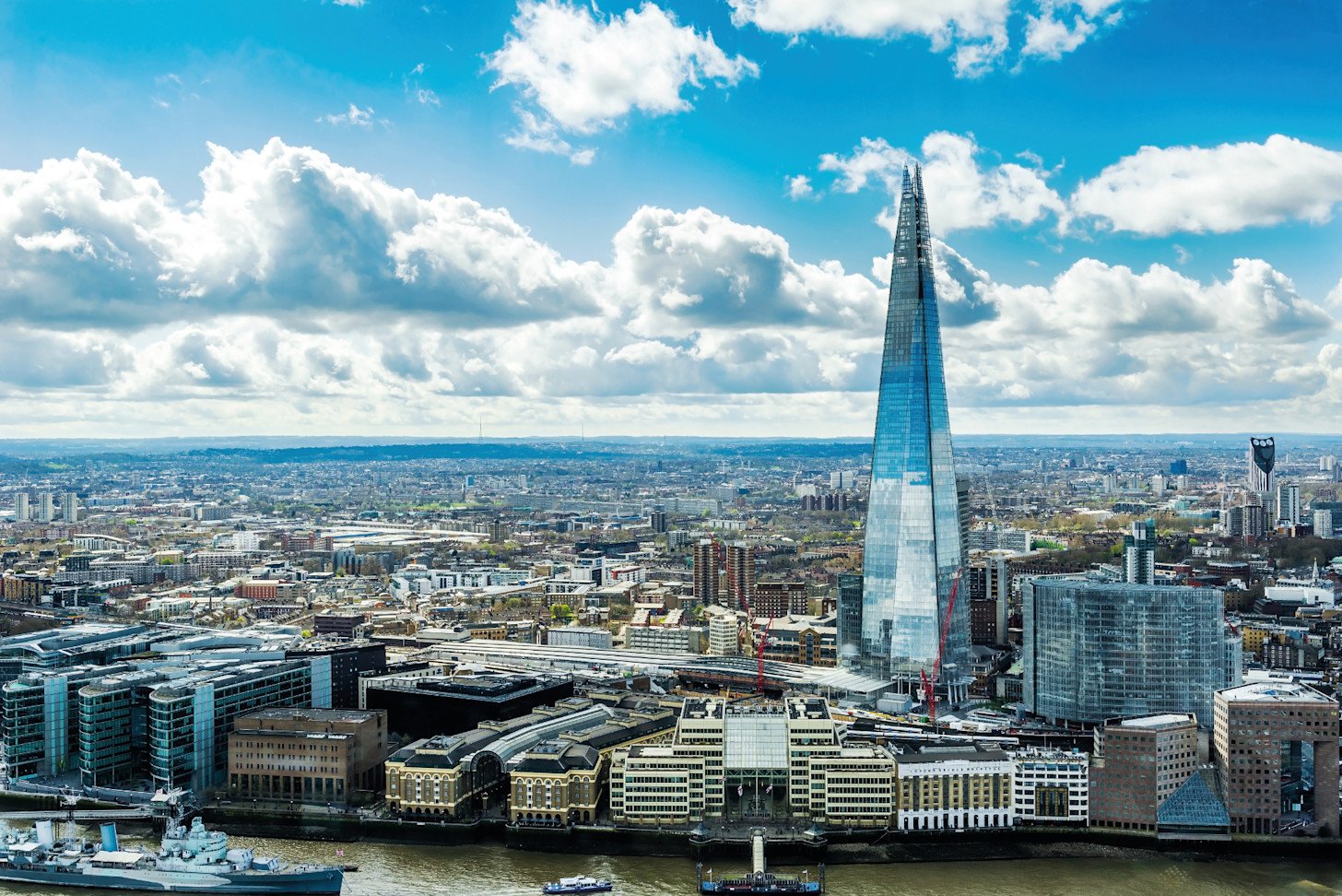
The Shard is one of London’s most iconic skyscrapers. Standing 310 meters tall, it reshaped the city skyline. The building used a rare top-down construction method to save space in its congested site. This meant building the upper floors while excavating below. Workers faced tight schedules and complex engineering challenges. In one account, a worker fell 40 meters during piling, a critical phase where deep concrete foundations are set. This incident shocked the construction community. Later, rumors spread about a skeleton found inside a concrete pour. Police ruled this accidental. However, workers whisper of a cover-up. This story echoes other dark episodes in construction history. For example, the Channel Tunnel fire and fraud also involved hidden dangers and silenced voices.
THE OFFICIAL STORY
The Shard’s construction began in 2009 and finished in 2012. Developers and engineers emphasized safety and innovation. The top-down method was chosen to minimize disruption in central London. This involved pouring concrete slabs from the top floors downward while excavating the basement levels. The concrete used was grade C40/50, strong enough to support the 72 floors. Official reports state that the fatal fall during piling was an accident caused by a safety harness failure. The skeleton found in concrete was identified as remains of an animal, according to police. They concluded no foul play or negligence. Inspections confirmed all safety protocols were followed. The construction employed over 500 workers, working in shifts around the clock. The project was praised for meeting deadlines despite complex logistics and London’s windy conditions reaching gusts up to 60 km/h. The official narrative is one of engineering success and tragedy managed responsibly.
THE CONSPIRACY
Despite official statements, workers claim a different story. According to unverified accounts, the worker who fell was not properly secured. Allegedly, safety equipment was reused or faulty. More chilling, during a large concrete pour in the piling stage, a skeleton was discovered embedded beneath the surface. Police ruled it accidental, claiming it was unrelated to the project. Workers whisper it was a cover-up to hide a death at the site. Such stories remain disputed but highlight the risks of top-down construction in tight urban spaces. The need to maintain schedules allegedly pressured supervisors to conceal incidents. Similar rumors circulated during the London Bridge disasters, where worker safety was questioned. The Shard’s skeleton story is a plausible construction secret that reflects the darker side of rapid urban development. The silence around these events raises questions about accountability and transparency in mega-projects.
THE POSITIVE IMPACT
The Shard brought significant benefits to London. It created over 10,000 jobs during construction and thousands more in its offices and restaurants. The building’s design includes energy-efficient systems and sustainable materials. Its top-down method reduced noise and dust pollution compared to traditional deep excavation. This allowed nearby businesses and residents to carry on with minimal disruption. The Shard also became a symbol of modern engineering and architectural ambition. It boosted tourism and business in the Southwark area. The project demonstrated how advanced concrete technology and innovative construction sequencing can overcome space constraints. Despite rumors, it set new standards for urban skyscraper development worldwide. The lessons learned here influenced future projects in congested cities.
THE BURIED INVENTION
The Shard’s top-down construction relied on a key invention: a self-climbing formwork system. This technology allowed concrete slabs to be poured safely at height without scaffolding. The formwork climbed the structure as floors were completed. This reduced worker exposure to fall hazards and sped up construction. The system integrated sensors to monitor concrete curing and structural stability in real time. This was crucial for ensuring the strength of the C40/50 concrete used. The innovation also optimized material use and minimized waste. Although the skeleton rumor shadows the site’s history, the buried invention remains a highlight of engineering progress. It shows how technology can improve safety and efficiency if applied transparently and responsibly.
HUMAN COST & UNTOLD STORIES
The human cost of The Shard’s construction is often overlooked. The fall from 40 meters reportedly injured a worker severely, though official records do not detail this incident publicly. Workers claim long hours and high stress, especially during piling and concrete pours. Some allege pressure to hide accidents to avoid delays. The skeleton rumor symbolizes the untold stories of laborers who risked their lives in silence. These men and women faced dangerous conditions, including working at heights and handling heavy materials. The Shard’s rapid pace may have compromised safety culture on site. In one account, workers bonded over shared fears and the need to protect each other. Their voices remind us that behind every skyscraper are human lives, sometimes lost or forgotten.
THE LEGACY
The Shard remains a defining feature of London’s skyline. It inspires architects and engineers worldwide. But its legacy also includes questions about safety and transparency. WHAT NO ONE ASKS: Why did regulators approve the design despite rumors? WHO PAYS THE PRICE: Are construction workers adequately protected on such projects? The skeleton cover-up story challenges the narrative of progress at any cost. It urges us to remember those who build our cities. The Shard’s history connects to other projects with complicated pasts, such as the Erasmus Bridge cable snap. These events teach vigilance and respect for human life.
COMPARISON TO SIMILAR STRUCTURES
- Túnel do Canal da Mancha — Outro caso de segredos e riscos durante construção em ambiente apertado.
- Desastres da Ponte de Londres — Incidentes envolvendo segurança e falhas estruturais.
- Rompimento do cabo da Ponte Erasmus — Falhas técnicas e resposta emergencial em ponte icônica.
THE LESSON
Safety and truth cannot be sacrificed for speed. Transparency protects workers and strengthens engineering legacies.
CALL TO ACTION
Assine nossa newsletter para mais histórias não reveladas da engenharia e construção.
Deixe um comentário