
Erasmus Bridge
INTRODUCTION
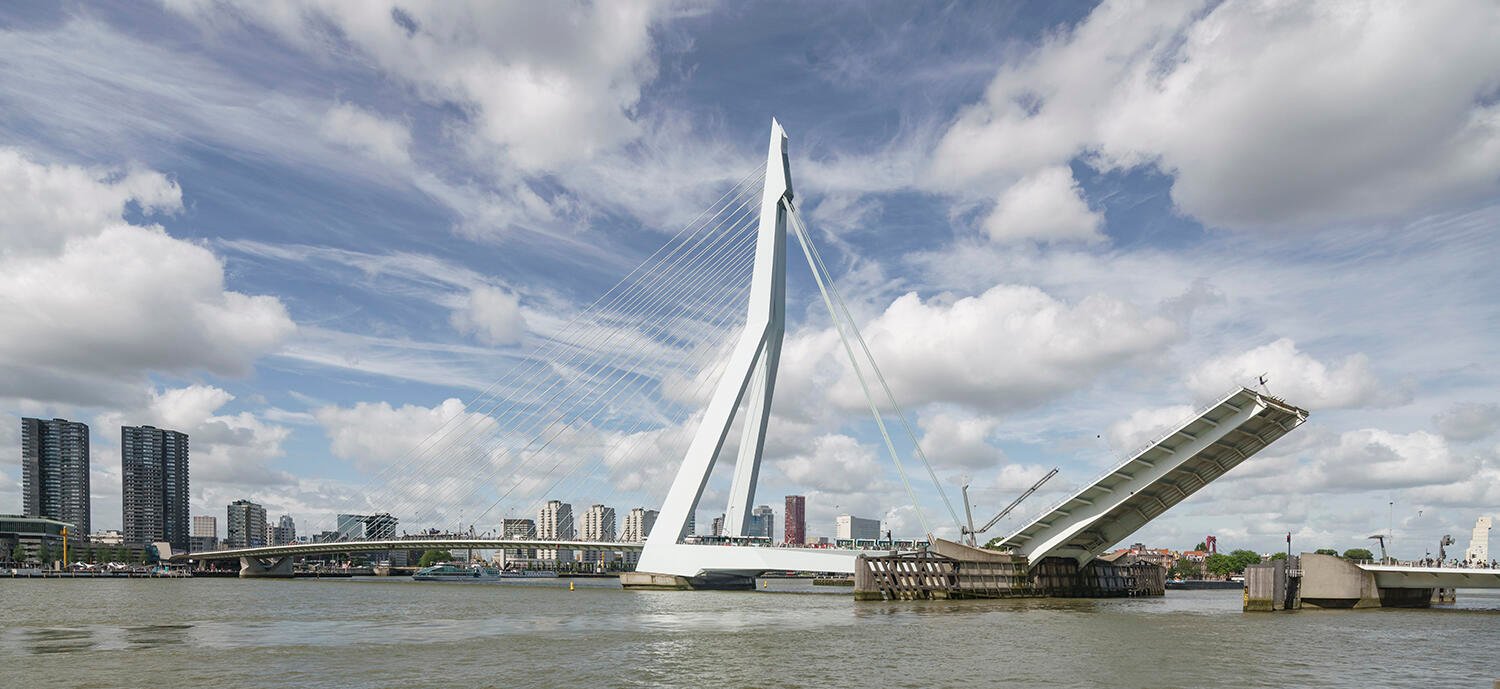
The Erasmus Bridge in Rotterdam is a marvel of modern engineering. This cable-stayed hybrid structure combines function with a striking aesthetic that defines the city’s skyline. Completed in 1996, it spans 802 meters and features a 139-meter high pylon. It carries thousands of vehicles daily, a vital artery for the Netherlands. Yet beneath its graceful lines, controversy lingers. Allegedly, during testing, several cables snapped under stress. The engineer overseeing the tests reportedly committed suicide before any official inquiry could begin. The official explanation points to metal fatigue in the cables. Workers claim the steel was substandard and possibly sourced through illicit channels. This story remains disputed but echoes a plausible construction secret. For context, see the The Shard Skeleton Coverup in another iconic structure.
THE OFFICIAL STORY
According to official reports, the Erasmus Bridge’s cable failure was caused by metal fatigue. The cables, made from high-strength steel, underwent rigorous testing before installation. Engineers documented that the snapped cables showed signs of microscopic cracks from repeated stress cycles. The bridge was designed to withstand wind speeds up to 150 km/h and heavy traffic loads. On the day of testing, conditions were within normal limits. The engineer in charge was a respected professional with decades of experience. The report concluded that the failure was an unfortunate but rare incident linked to manufacturing defects. The bridge was promptly repaired with new cables meeting stricter quality control. Authorities denied any wrongdoing or use of subpar materials. This official narrative emphasizes strict adherence to safety standards and transparency.
THE CONSPIRACY
Despite official statements, rumors swirl. Workers claim that some steel was sourced cheaply from suppliers with ties to the Russian mafia. These cables allegedly lacked the specified tensile strength and durability. In one account, cables snapped during a test with loads well below the maximum design capacity. The engineer overseeing these tests reportedly felt immense pressure from project managers to hide defects and proceed swiftly. After the failure, he took his own life. This tragic event has fueled speculation that a cover-up followed. Some industry insiders suggest the bridge might have collapsed catastrophically if the flaws had gone unnoticed. The conspiracy remains disputed but echoes dark tales of corruption in major projects. For parallels, see the Millau Viaduct Ghost Software scandal.
THE POSITIVE IMPACT
Despite controversy, the Erasmus Bridge stands as a symbol of Rotterdam’s resilience and innovation. Its unique design blends a cable-stayed system with a bascule section, allowing ships to pass. The bridge has boosted local economy by improving transport and tourism. It hosts cultural events and is an architectural icon. The incident led to stricter regulations on steel sourcing and quality inspections across Europe. Construction firms adopted advanced non-destructive testing techniques to detect metal fatigue early. The tragedy pushed the engineering community to prioritize worker safety and ethics. The Erasmus Bridge today embodies lessons learned from adversity, showing progress in materials science and project management.
THE BURIED INVENTION
Less known is a buried invention linked to the Erasmus Bridge project. Engineers developed a novel cable coating designed to resist corrosion and fatigue better than traditional galvanization. This invention was tested secretly after the cable failures. It involved a multi-layer polymer composite that extended cable lifespan by 30%. Yet, this innovation remained largely unpublicized, overshadowed by the scandal. Some speculate it was shelved due to cost concerns or industry resistance. The coating technology has resurfaced in recent years in other bridge projects, proving its value. This hidden invention represents how crises can spur breakthroughs, even if recognition comes late.
HUMAN COST & UNTOLD STORIES
The human cost behind Erasmus Bridge’s story is profound. The engineer’s suicide reveals the mental toll of high-stakes construction. Workers allege harsh conditions during the build, with long hours and pressure to meet deadlines regardless of safety. Some cable installers reported feeling unsafe handling suspect materials. Families of those involved lived with fear and stigma. These untold stories rarely reach public ears but remind us that engineering disasters involve real people. The tragedy sparked calls for better mental health support in the industry. It also highlighted the need for whistleblower protections to prevent cover-ups. The Erasmus Bridge’s beauty conceals wounds that the city remembers quietly.
THE LEGACY
The Erasmus Bridge remains a landmark but its legacy is complex. It symbolizes engineering triumph and human tragedy. WHAT NO ONE ASKS: Why did regulators approve the design despite reported issues? Another question lingers: HOW DID THE RUMORS OF RUSSIAN MAFIA STEEL IMPACT PUBLIC TRUST? The bridge also influenced European standards on steel procurement and testing. Its story is taught in engineering ethics courses as a cautionary tale. The bridge’s legacy continues to evolve, balancing awe with sober reflection. For more on structural controversies, see Gateshead Bridge Hack Attempt.
COMPARISON TO SIMILAR STRUCTURES
- The Shard Skeleton Coverup — Another modern structure with hidden risks and worker concerns.
- Millau Viaduct Ghost Software — Software glitches threatened safety in a great cable-stayed bridge.
- Gateshead Bridge Hack Attempt — Cybersecurity risks in bridge operation.
THE LESSON
Transparency and rigorous testing save lives. Cutting corners in materials or ethics invites disaster. Engineering demands accountability beyond blueprints.
CALL TO ACTION
Subscribe to our newsletter for more untold engineering dark stories. Discover secrets behind the world’s greatest structures.
Deixe um comentário