
Slauerhoffbrug
INTRODUCTION
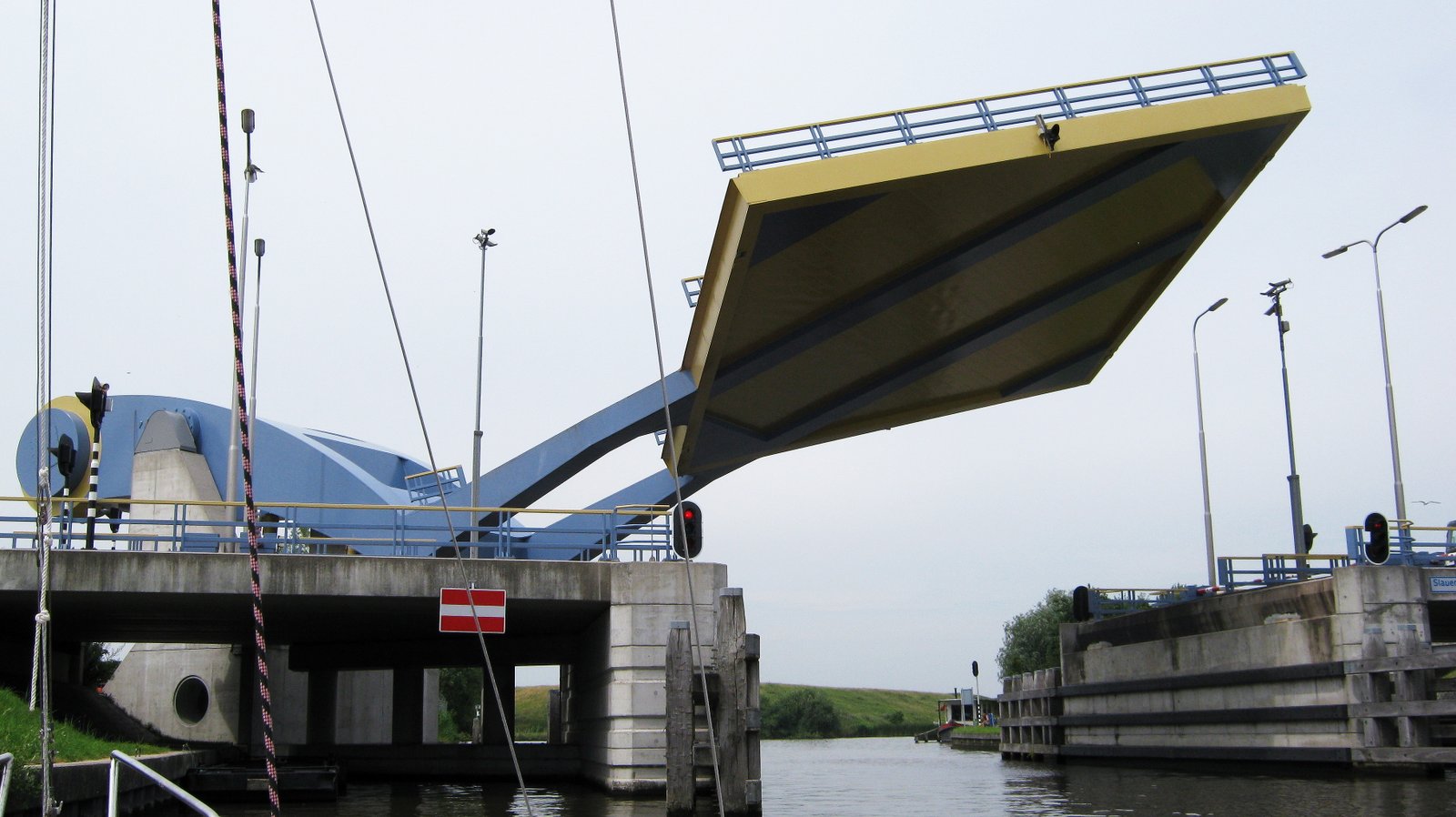
Slauerhoffbrug is a UNIQUE flying drawbridge in the Netherlands. It lifts automatically, a marvel of modern engineering. But this design hides a dark secret. During one lift, the entire bridge arm DROPPED one meter. It crashed onto a police boat below. The incident shocked the public and engineers alike. Workers claim radio signals from a nearby prison interfered with the controls. This remains disputed but plausible. The bridge stands in Leeuwarden, a city known for its canals and maritime traffic. Slauerhoffbrug’s failure echoes other incidents in automated bridge design. For instance, the Gateshead Bridge Hack Attempt showed vulnerabilities in remote control systems. This story reveals how cutting-edge tech can falter with deadly consequences.
THE OFFICIAL STORY
The Slauerhoffbrug was designed as a flying drawbridge to improve traffic flow across the canal. It uses hydraulics and automation to lift the bridge arm vertically. On the day of the incident, operators began the lift as usual. Suddenly, the arm dropped about 1 meter unexpectedly. The bridge struck a police boat passing underneath. The police boat suffered damage but no severe injuries were reported. Authorities blamed a technical glitch. They cited possible RADIO INTERFERENCE from the nearby Leeuwarden prison. The prison uses strong radio signals for security. Official investigations found no mechanical faults. The bridge’s control system passed safety checks. The drop was attributed to signal disruption, but this explanation remains contested. Engineers continue to study the incident to prevent recurrence. The automated lift system was temporarily disabled until fixes were applied. The event raised questions about the reliability of remote control in critical infrastructure.
THE CONSPIRACY
Workers claim the radio interference story hides deeper problems. According to unverified accounts, the prison’s signals were known to disrupt local electronics. Some workers allege management ignored warnings about interference risks. They say the bridge’s control system was rushed into service without full testing. Allegedly, cost-cutting led to inadequate shielding of the electronics. The sudden drop of the bridge arm was not just a glitch but a SYSTEM FAILURE waiting to happen. In one account, the police boat was lucky to avoid a catastrophic accident. Rumors suggest officials covered up maintenance delays and ignored early warning signs. The prison’s proximity to the bridge was a design oversight. Critics argue the incident exposed a lack of oversight in automated infrastructure projects. The event recalls other incidents like the Helix Bridge DNA Curse, where structural flaws were allegedly hidden from the public. The Slauerhoffbrug conspiracy remains disputed but highlights potential dangers in automation combined with external interference.
THE POSITIVE IMPACT
Despite the failure, Slauerhoffbrug forced engineers to rethink flying drawbridge designs worldwide. The incident led to improved shielding against radio interference in control systems. New safety protocols were developed for automated lifts. Traffic management became more cautious around prisons and other sources of strong radio signals. The accident also raised public awareness about infrastructure safety. Authorities invested in better training for bridge operators. The bridge itself was retrofitted with redundant sensors and manual override controls. This made the system more resilient to electronic disruptions. Slauerhoffbrug remains a functional and iconic structure. It now serves as a case study in engineering schools on the risks of automation. The failure sparked innovation, pushing designers to blend technology with fail-safe human intervention. The bridge symbolizes both vulnerability and progress in modern infrastructure.
THE BURIED INVENTION
Slauerhoffbrug incorporates a unique flying bridge design patented in the early 2000s. The bridge arm lifts vertically with minimal footprint, unlike traditional drawbridges. It uses advanced hydraulics combined with automated control software. However, the original design included a radio-frequency shielding layer that was allegedly modified or removed before construction. Workers claim this change was due to budget constraints. This shielding could have prevented interference from external sources like the nearby prison. The buried invention is this protective technology that might have averted the accident. It was a pioneering idea in bridge electronics protection but remains underutilized. The failure highlighted the importance of integrating electromagnetic compatibility in infrastructure. Today, engineers revisit these buried inventions to improve future projects. Slauerhoffbrug’s story teaches that innovation must be paired with thorough testing and environmental awareness.
HUMAN COST & UNTOLD STORIES
The Slauerhoffbrug incident caused more than equipment damage. The police boat crew experienced a terrifying event as the bridge arm dropped suddenly. Though no deaths occurred, the trauma left lasting scars. Workers claim stress and fear increased at the bridge site after the accident. Some operators felt blamed despite following protocols. Allegedly, management pressured staff to downplay the incident publicly. Local boat operators reported near-misses before the accident but felt unheard. This reveals a pattern of worker voices being ignored in infrastructure safety. The incident exposed the human cost behind automated systems. It reminds us that behind every technical failure are people who suffer emotionally and physically. The story of Slauerhoffbrug is also about the silenced workers and first responders who faced danger unexpectedly.
THE LEGACY
Slauerhoffbrug’s legacy is complex. It stands as a monument to innovative engineering and a cautionary tale of automation risks. The bridge forced industry-wide improvements in design and safety standards. WHAT NO ONE ASKS: Why was the truth buried about radio interference risks? WHAT NO ONE ASKS: How many near misses went unreported before the crash? These questions linger as the official story remains incomplete. The incident inspired new regulations on electromagnetic interference in infrastructure projects. Slauerhoffbrug is still in use but carries the weight of its past. It connects to other stories of engineering challenges like the Erasmus Bridge Cable Snap. Together, these narratives shape our understanding of modern construction’s hidden dangers and human costs.
COMPARISON TO SIMILAR STRUCTURES
- Gateshead Bridge Hack Attempt — Examines cybersecurity risks in automated bridges.
- Helix Bridge DNA Curse — Discusses alleged design flaws and public safety concerns.
- Erasmus Bridge Cable Snap — Details a major structural failure impacting traffic and safety.
THE LESSON
Technology without thorough testing and environmental respect can fail catastrophically. Human safety must always come first.
CALL TO ACTION
Subscribe to our newsletter to uncover more hidden engineering stories and protect infrastructure safety.
प्रातिक्रिया दे