Panama Metro
INTRODUCTION
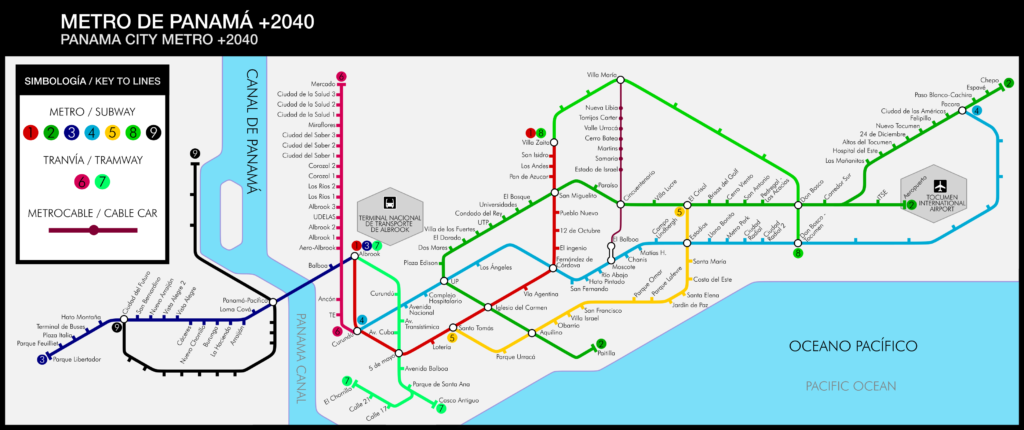
The Panama Metro stands as Central America’s FIRST rapid transit system, built under dense urban constraints. Excavation for Line 1 faced unexpected challenges. One night, a 15-meter sinkhole suddenly opened, swallowing a crane whole. Locals claim the site was an ancient burial ground, stirring whispers of a curse. Engineers, however, blamed a faulty soil report for the collapse. This remains disputed. The metro project pushed Panama’s limits of urban engineering and safety. It changed how projects consider underground risks. This story echoes other infrastructure mysteries, like the Panama Canal whistleblower death where secrets hid beneath progress.
THE OFFICIAL STORY
The Panama Metro Line 1 began construction in 2010, aiming to ease traffic in Panama City. Engineers faced complex soil conditions typical of the region’s tropical climate and dense urban fabric. The soil reports initially indicated stable ground, supporting excavation plans down to 20 meters depth. Excavation used heavy cranes to remove earth and install reinforced concrete tunnels. Concrete grades used were typically C30/37 to ensure durability under high humidity. On the night of a critical excavation phase, a sinkhole approximately 15 meters wide and 10 meters deep suddenly appeared, swallowing a crane. Authorities cited a faulty soil report, which underestimated the presence of loose, water-saturated soils. Repairs delayed the project by months but no official injuries were reported. The incident drew attention to Panama’s need for improved geotechnical surveys and risk management in urban infrastructure projects.
THE CONSPIRACY
Workers claim the sinkhole was no accident but a sign of buried ancient remains disturbed by construction. Locals allege the site was an ancient burial ground, a theory dismissed by engineers but persistent in oral history. According to unverified accounts, strange noises and unexplained ground movements preceded the collapse. Some workers say warnings about soil instability were ignored to keep the project on schedule. The faulty soil report allegedly came from a rushed preliminary study commissioned to meet tight deadlines. In one account, a crane operator narrowly escaped injury but was silenced by project managers. The incident remains disputed, with no official inquiry fully released to the public. This plausible construction secret hints at a cover-up to protect the project’s reputation and investment. The story echoes other dark tales like the Gotthard Tunnel mountain whispers, where nature and history clash with modern engineering.
THE POSITIVE IMPACT
Despite the sinkhole drama, the Panama Metro revolutionized urban transit in Central America. It cut commute times drastically and reduced road congestion. The incident forced authorities to overhaul geotechnical investigations, improving safety standards for future projects. New protocols for soil sampling, water table monitoring, and construction sequencing emerged. The metro’s success spurred economic growth, encouraging investment in public transport infrastructure. Environmental impacts lessened as fewer cars clogged streets. The project showcased Panama’s capability to execute complex urban infrastructure despite natural and historical obstacles. It became a regional model for integrating engineering with dense city environments.
THE BURIED INVENTION
During the Panama Metro excavation, engineers deployed innovative soil stabilization techniques rarely used in Central America. To counter variable soil conditions, they trialed jet grouting—a process injecting cement slurry at high pressure to solidify loose soils. This allowed safer deep excavation near water-saturated layers. The jet grouting columns reached depths of 18 meters, supporting heavy loads from cranes and tunnel sections. This technique was a plausible construction secret, as it remained unpublicized initially to avoid alarming investors. Jet grouting reduced settlement risks and enabled rapid progress despite challenging ground. The Panama Metro became one of the first regional projects to use this advanced method extensively, setting a precedent for future urban infrastructure in similar geological contexts.
HUMAN COST & UNTOLD STORIES
Worker accounts reveal the human toll behind Panama Metro’s construction. Though official reports list no fatal accidents during the sinkhole event, many workers suffered stress, fatigue, and unsafe conditions. Some allege wage delays and pressure to maintain productivity despite safety concerns. The crane operator who escaped the sinkhole reportedly experienced trauma but received limited support. In one worker’s story, sudden ground shifts caused near misses with heavy equipment. These untold stories highlight the sacrifices of laborers who built the metro under intense urban constraints. Their voices remind us that infrastructure progress often masks unseen human costs.
THE LEGACY
The Panama Metro’s legacy is complex. It symbolizes urban progress and engineering innovation in Central America. Yet it also carries shadows of risk, secrecy, and human suffering. Questions remain. WHAT NO ONE ASKS: Why was the soil report error not fully investigated publicly? WHAT NO ONE ASKS: Did the project adequately respect indigenous heritage sites? The metro pushed Panama forward but reminds us to balance ambition with transparency and respect. The legacy connects to other infrastructure stories like the Hong Kong-Zhuhai-Macao sinkhole, where urban growth meets hidden dangers.
COMPARISON TO SIMILAR STRUCTURES
- Panama Canal whistleblower death — Another Panama infrastructure site with dark secrets and worker risks.
- Gotthard Tunnel mountain whispers — Tunnel project with geological and historical challenges.
- Hong Kong-Zhuhai-Macao sinkhole — Sinkhole incidents disrupting mega urban infrastructure.
THE LESSON
Urban infrastructure must respect geology and history. Transparency saves lives and preserves heritage.
CALL TO ACTION
Subscribe to our newsletter for more untold engineering dark stories and hidden construction truths.
Leave a Reply