Panama Metro
INTRODUCTION
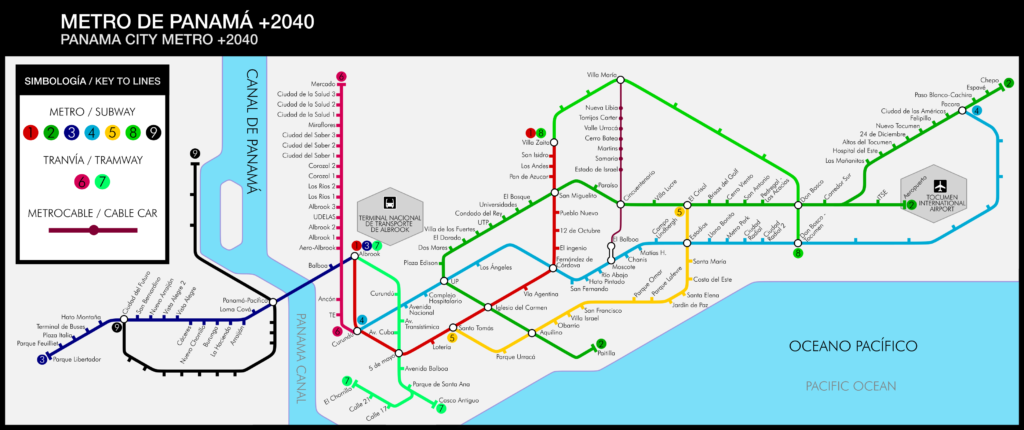
Panama Metro is the FIRST metro system in Central America. It was built under the dense urban fabric of Panama City, a challenge few had faced before. The project began in 2010 and opened in 2014. It aimed to ease traffic and modernize transport. But construction was not without controversy. During excavation for Line 1, a massive sinkhole appeared, swallowing a crane whole overnight. Locals whispered about an ancient burial ground beneath the city. Engineers quickly blamed a faulty soil report and unstable ground. This incident reflects deep urban challenges. It echoes rumors from other mega projects, like the Panama Canal whistleblower case, where truths were hidden under layers of official statements.
THE OFFICIAL STORY
The official explanation for the sinkhole during Panama Metro Line 1 excavation was clear and technical. The ground beneath the construction site was complex, made of loose sediments and clay. Engineers relied on soil studies before digging. However, the soil report was later found to have gaps. During excavation, water infiltration and unstable layers caused a sudden collapse. The 15-meter-wide sinkhole swallowed the crane used for heavy lifting. Construction was halted for weeks to stabilize the area. Officials emphasized that the incident was isolated and no workers were harmed. They assured the public that new geotechnical surveys and reinforcements would prevent future collapses. The metro line progressed, opening in 2014 with 14 stations and carrying thousands daily. The official narrative focused on technical challenges and quick recovery, avoiding deeper questions about urban risks or cultural heritage.
THE CONSPIRACY
Allegedly, the sinkhole was more than a mere engineering mishap. Workers and locals claimed the area was an ancient burial ground. According to unverified accounts, disturbing this site triggered supernatural consequences or revealed hidden instability. The story remains disputed, but some workers whispered that the soil report was deliberately falsified to speed construction. They argued that corners were cut to meet tight deadlines imposed by government contracts. In one account, a whistleblower tried to raise concerns but was silenced. The rapid recovery and lack of transparent investigation fueled suspicion. The sinkhole swallowing the crane became a symbol of hidden dangers beneath rapid urbanization. For some, the incident exposed a clash between modern infrastructure and Panama’s layered history. This plausible construction secret connects to other dark stories, like the Gotthard Tunnel mountain whispers, where nature and history resist engineering dominance.
THE POSITIVE IMPACT
Despite the sinkhole incident, the Panama Metro dramatically improved urban mobility. It reduced traffic congestion in a city where daily commutes could last hours. The metro uses modern trains capable of speeds up to 80 km/h and carries over 200,000 passengers per day. It also lowered pollution by decreasing reliance on cars and buses. The project spurred economic growth by connecting residential areas with commercial centers. It created thousands of jobs during construction, employing local and international workers. The metro’s success inspired other Central American cities to consider mass transit solutions. The infrastructure invested in advanced concrete technology resistant to Panama’s tropical climate. The lessons learned from the sinkhole incident prompted stricter safety protocols and enhanced soil monitoring for future expansions. The metro stands as a testament to resilience amid urban and geological challenges.
THE BURIED INVENTION
During the Panama Metro construction, engineers implemented a pioneering soil stabilization technique. They used jet grouting to strengthen the loose sediments beneath the city. This method involves injecting cement slurry into the ground at high pressure, creating solid columns that support tunnels and stations. The technology was adapted to Panama’s unique soil conditions, characterized by high water tables and variable sediment layers. This buried invention allowed safe excavation in areas previously considered too risky. Jet grouting minimized settlement and prevented further sinkholes. It also reduced the need for deep pilings, speeding construction while maintaining safety. Although not widely publicized, this technique marked a significant advance in urban tunneling in tropical climates. It set new standards and influenced similar projects in Latin America. The Panama Metro’s soil stabilization method remains a valuable engineering legacy.
HUMAN COST & UNTOLD STORIES
The human cost behind the Panama Metro construction is often overlooked. Workers faced long hours in humid, unstable conditions. Some workers allegedly experienced wage delays and unsafe environments, especially during the sinkhole crisis. Though no deaths were officially reported during the incident, workers claim near misses and stress were high. Many laborers came from marginalized communities, seeking better opportunities. Their stories remain largely untold. The sinkhole incident added psychological strain, with fears of ground collapse and cultural disrespect. Families worried about hidden dangers beneath their neighborhoods. The project management reportedly improved safety after the event but only after pressure from worker representatives. The human cost echoes similar themes in large infrastructure projects worldwide — the tension between progress and worker welfare remains unresolved.
THE LEGACY
The Panama Metro legacy is complex. It is a symbol of modernity in Central America and a reminder of urban risks. The question remains: WHAT NO ONE ASKS: Why were soil reports accepted without deeper scrutiny? WHAT NO ONE ASKS: Was the ancient burial ground ignored for economic reasons? The metro changed Panama’s urban landscape forever. It also exposed gaps in governance and engineering oversight. Its legacy influences future infrastructure planning, emphasizing the need for transparency and respect for cultural heritage. For deeper context, see the Hongkong-Zhuhai-Macao sinkhole story, which shows parallels in urban sinkhole risks. The Panama Metro’s story is a lesson on balancing progress with history and human cost.
COMPARISON TO SIMILAR STRUCTURES
- Panama Canal whistleblower case — Hidden truths and worker risks in Panama’s historic waterway.
- Gotthard Tunnel mountain whispers — Engineering vs nature in a massive alpine tunnel project.
- Hongkong-Zhuhai-Macao sinkhole — Sinkhole risks in dense urban tunnel construction in Asia.
THE LESSON
Urban infrastructure must respect both geological realities and cultural heritage. Cutting corners risks lives and legacy.
CALL TO ACTION
Assine nossa newsletter para descobrir mais segredos ocultos da engenharia e histórias não contadas.
Deixe um comentário