One Central Park (Sydney)
INTRODUCTION
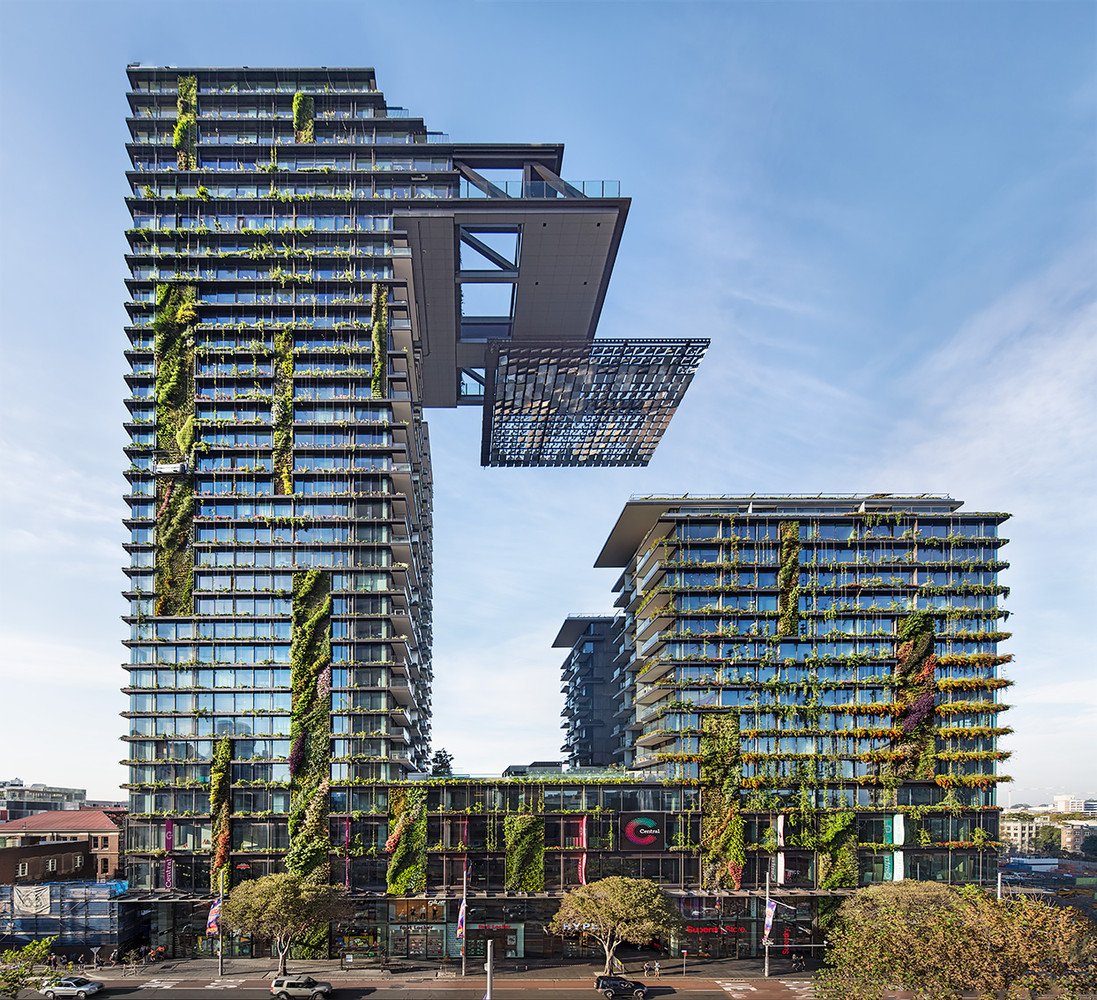
One Central Park in Sydney stands out for its cantilever heliostat system designed to reflect sunlight deep into the building’s garden areas. This innovative green integration is a marvel of modern architecture. Yet, behind its beauty lies a curious incident. According to workers and neighbors, the heliostat’s glare once burned a hole through a neighbor’s carpet. The owner was compensated, but the cause remains disputed. Some claim it was an accident, while others allege deliberate aiming by disgruntled workers. This story echoes other urban design controversies like those seen in Bosco Verticale’s tree root issues. The incident exposes tensions between innovation, community, and labor.
THE OFFICIAL STORY
One Central Park was completed in 2014 as a flagship green building in Sydney. Its heliostat system uses large cantilevered mirrors mounted 50 meters above ground to direct sunlight into shaded garden areas. The mirrors adjust automatically to track the sun. According to official reports, the system was tested extensively to avoid glare hazards. The building’s concrete structure employs high-strength concrete grade 50, supporting the cantilever. Workers numbered around 400 during peak construction. The glare incident was acknowledged by management, who compensated a neighbor after the carpet was damaged by focused sunlight. The explanation given was a rare reflection anomaly caused by mirror misalignment. No sabotage was admitted or proven officially.
THE CONSPIRACY
Despite official statements, rumors persist among workers and locals. Allegedly, some workers resented the demanding schedules and safety oversight. In one account, a group deliberately adjusted the heliostat’s angle to direct intense sunlight toward a neighbor’s apartment window. This caused a glare hot enough to burn a carpet, forcing compensation. The story remains disputed since no definitive proof has surfaced. Yet, the technical possibility exists given the heliostat’s power. Similar worker sabotage rumors have emerged in comparable projects like the glare lawsuit at Disney Hall. These stories reveal the human cost behind cutting-edge designs and how labor unrest can intersect with technology.
THE POSITIVE IMPACT
One Central Park’s heliostat system is a pioneering example of sustainable urban design. It brings natural light to shaded areas, reducing dependence on artificial lighting. This lowers energy consumption and improves residents’ well-being. The building integrates 250 species of plants and recycles water efficiently. Despite the glare incident, the heliostat has been praised for its environmental benefits. It demonstrates how architecture can blend ecology with urban living. The project inspired similar green integrations worldwide and raised awareness about balancing innovation with safety and community impact.
THE BURIED INVENTION
The heliostat technology at One Central Park is a plausible construction secret. It uses precision motors and sensors to track the sun’s path and reflect light dynamically. The cantilever design is unusual, suspending heavy mirrors 50 meters above without obstructing views. This required advanced engineering and high-grade concrete to support loads and resist Sydney’s strong wind gusts, sometimes exceeding 80 km/h. The system’s complexity was unprecedented in residential towers. Some engineers claim that certain mirror calibration techniques were kept confidential to maintain competitive advantage. This buried invention quietly pushed the boundaries of architectural engineering.
HUMAN COST & UNTOLD STORIES
The glare incident highlights the human dimension behind One Central Park’s green tech. Workers reportedly faced intense pressure to meet deadlines, often working 12-hour shifts with safety risks. Some allege wage disputes and poor communication with management. The rumored sabotage reflects frustrations bubbling beneath the surface. Nearby residents experienced discomfort and property damage. The compensation helped but did not erase the tension. These untold stories remind us that behind every innovative structure are real people, their struggles, and sometimes silent conflicts. The human cost is rarely visible in glossy architectural narratives.
THE LEGACY
One Central Park remains an iconic Sydney landmark, celebrated for its green integration and aesthetic appeal. However, questions linger. WHAT NO ONE ASKS: Was the glare incident a warning ignored? WHAT NO ONE ASKS: Why was the possibility of sabotage not publicly investigated? These questions suggest a legacy mixed with innovation and controversy. The building’s story is linked to other urban challenges like those faced by Vancouver roof collapse. Its heliostat technology influenced subsequent projects but also serves as a cautionary tale about complexity and human factors in design.
COMPARISON TO SIMILAR STRUCTURES
- Bosco Verticale — Both integrate nature with architecture but face hidden structural challenges.
- Disney Hall — Another glare controversy involving reflective surfaces and urban impact.
- Vancouver Roof Collapse — Highlights risks of innovative design under harsh conditions.
THE LESSON
Innovative technology must match human understanding. Ignoring labor tensions and safety risks turns brilliance into hazard.
CALL TO ACTION
Subscribe to our newsletter to uncover more hidden stories behind iconic structures and the human cost of innovation.
प्रातिक्रिया दे