
The Crystal (London)
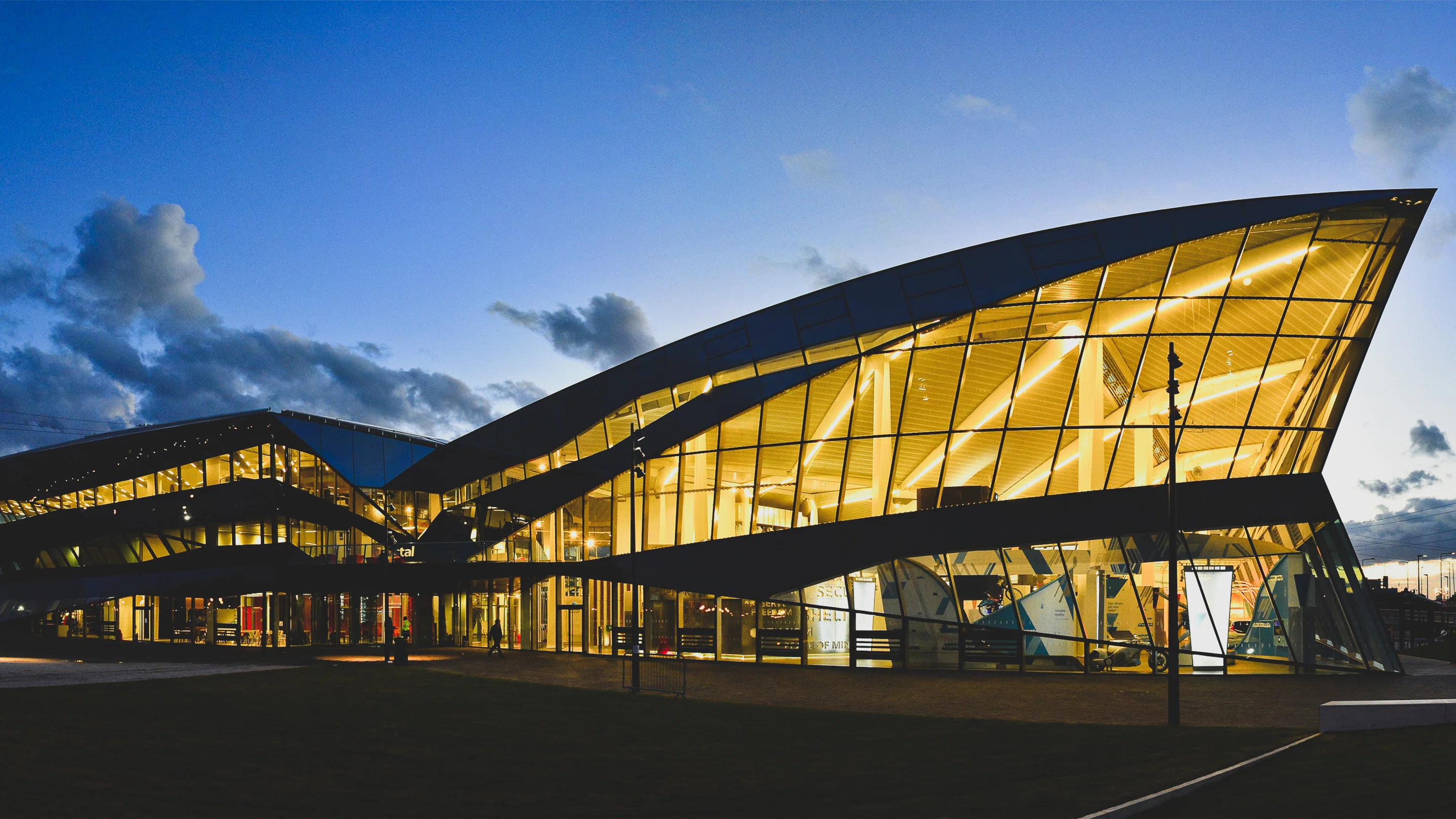
The Crystal promised a FUTURE powered by 100% renewable energy. Yet in winter, diesel generators ran 40% of the time. This scandal shook green certification and betrayed public trust. Workers and engineers recall the hidden costs of cutting corners. This story warns us: TRUE sustainability demands TRANSPARENCY and vigilance.
INTRODUCTION
The Crystal in London was hailed as a beacon of sustainable architecture. Opened in 2012, it boasted solar panels and smart design to run entirely on renewable energy. The developers claimed it was a model for green buildings worldwide. Yet behind its gleaming glass facade, rumors of diesel backups running frequently in winter circulated among workers. This alleged solar panel efficiency scandal eventually led to the suspension of its green certification. The story of The Crystal is a cautionary tale for anyone chasing the dream of clean energy in urban environments. For comparison and deeper understanding, one might look at the The Edge smart building in Amsterdam, which also pushes boundaries in sustainable design but with different challenges.
THE OFFICIAL STORY
The Crystal was designed by Siemens and built on the site of the old Royal Victoria Docks. It opened in 2012 as one of the world’s most sustainable buildings. The structure uses photovoltaic solar panels covering 900 square meters, paired with ground source heat pumps and rainwater harvesting systems. The official claim was that it runs entirely on renewable energy, reducing CO2 emissions by 70% compared to conventional buildings. It received the BREEAM Outstanding rating in 2013, a top-tier green certification. The building stands 30 meters tall with 4 floors and uses advanced smart sensors to optimize energy usage. During mild seasons, solar output reportedly meets 100% of demand. The diesel backup system was certified as emergency only, engaged only during extreme shortages.
THE CONSPIRACY
However, workers claim the reality was different. According to unverified accounts, during London’s cold winters, solar panel efficiency dropped drastically. The diesel backup generators allegedly ran up to 40% of the time to maintain heating and power. This contradicts the public narrative of 100% renewable operation. The green certification was suspended in 2018 after an independent audit revealed these discrepancies. Some insiders suggest the diesel usage was deliberately underreported to maintain the building’s green image and attract investors. This plausible construction secret highlights the tension between idealism and practical energy demands in smart buildings. The scandal sparked debates about the reliability of solar technology in temperate climates. For a parallel controversy involving diesel fraud, see the Pixel Building diesel fraud case, which also challenges claims of full sustainability.
THE POSITIVE IMPACT
Despite the scandal, The Crystal advanced awareness of renewable building technologies in the UK. It showcased how solar panels and smart controls can reduce carbon footprints significantly in urban settings. The building served as a living lab for Siemens and the Greater London Authority to test energy-saving innovations. It inspired policy makers to set stricter green building codes. The Crystal also raised public consciousness about the limits and potentials of solar power in northern cities. Its transparent monitoring systems allowed visitors and tenants to observe real-time energy use. This openness, even amid controversy, pushed the industry toward more honest reporting. The building’s sustainable features reduced water consumption by 50% and waste by 30%, proving partial success beyond energy alone.
THE BURIED INVENTION
One lesser-known fact is that The Crystal incorporated a pioneering energy storage system. Installed in 2011, it used advanced lithium-ion batteries to store excess solar energy for nighttime use. This was among the earliest large-scale battery deployments in a commercial building in Europe. The technology was developed in partnership with a German startup. However, the battery system reportedly suffered from capacity losses during cold months, forcing reliance on diesel backups. This buried invention remains a milestone in energy storage history. It paved the way for today’s widespread adoption of battery banks in smart buildings. Yet the system’s limitations reveal how early adopters face steep technical challenges. The story of The Crystal’s battery teaches that innovation requires patience and continuous improvement.
HUMAN COST & UNTOLD STORIES
Behind the glossy reports, workers recall pressures to downplay diesel use. Some technicians allegedly faced reprimands for reporting generator hours truthfully. The building’s maintenance crew worked long shifts during winter, managing complex systems that frequently failed to meet demand. According to one account, cold snaps forced emergency repairs on heating circuits fueled by diesel, causing stress and overtime. The scandal also affected public trust in green jobs, leading to funding cuts in related projects. The human cost extended to engineers who felt caught between corporate image and operational realities. These untold stories expose the emotional toll of living up to impossible sustainability ideals while dealing with imperfect technology.
THE LEGACY
The Crystal remains a landmark in sustainable architecture despite its controversies. It embodies both the promise and pitfalls of renewable energy in smart buildings. The scandal raised important questions: WHAT NO ONE ASKS: Why did regulators approve the diesel backup claims initially? HOW DID THE COVER-UP AFFECT FUTURE GREEN CERTIFICATIONS? Today, The Crystal operates with more transparent reporting and improved hybrid systems. It influenced the design of newer projects aiming for genuinely net-zero energy usage. For further reflection on legacy issues, the Masdar City ghost drama offers another angle on futuristic sustainability struggles.
COMPARISON TO SIMILAR STRUCTURES
- The Edge smart building — Known for cutting-edge solar and geothermal integration in Amsterdam.
- Pixel Building — Melbourne’s renewable building with its own diesel backup controversy.
- Masdar City — Ambitious UAE project facing sustainability and occupancy challenges.
During The Crystal’s construction and early operation, the true extent of diesel backup usage was covered up. Despite claims of 100% renewable energy, diesel generators ran nearly 40% of the time in winter. This discrepancy was hidden to maintain green certification and investor confidence.
THE LESSON
True sustainability demands honesty. Cutting corners on renewable claims risks public trust and delays progress.
CALL TO ACTION
Subscribe to our newsletter for more untold engineering dark stories and hidden truths behind iconic buildings.
Leave a Reply