
INTRODUCTION
In the heart of Dubai stands a FRAME that captures the skyline. This structure is more than just a tourist attraction. It symbolizes a struggle. Allegations of design theft have emerged. Architect Fernando Donis won the 2008 competition. Yet, the Dubai Municipality constructed it without a formal contract. Donis learned of this through social media. He filed a lawsuit in 2018. The case has raised questions about artistic integrity and ownership. The Address Downtown Fire is another tale of ambition and oversight.
THE OFFICIAL STORY
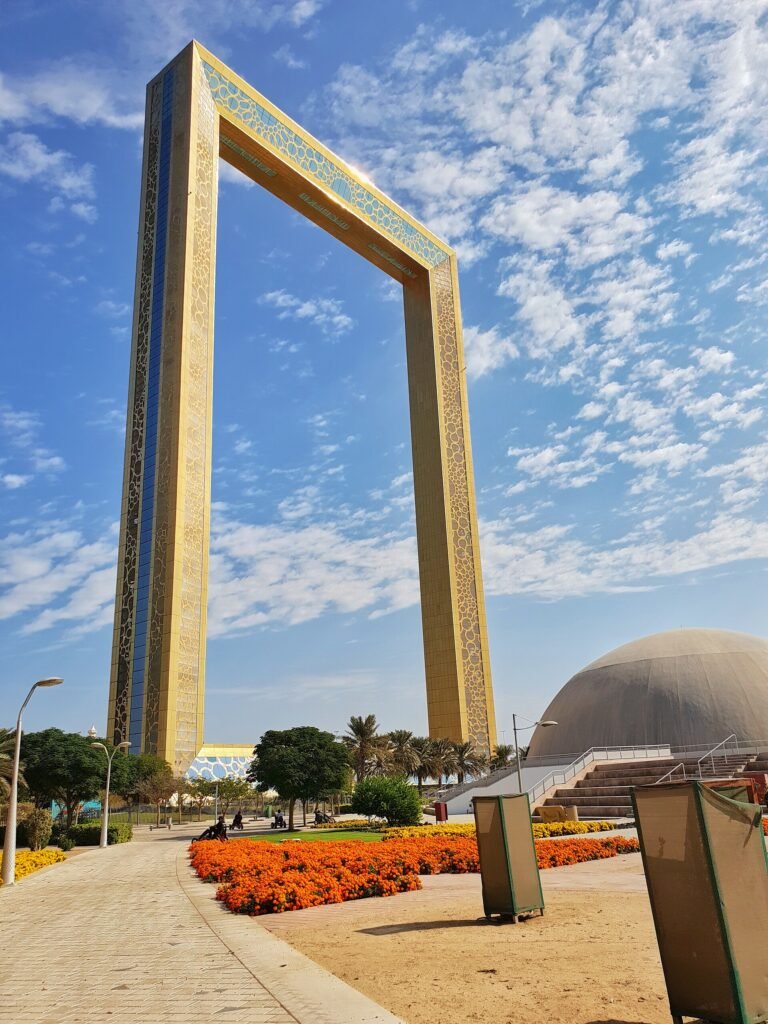
The Dubai Frame opened in 2018. It stands 150 meters tall. The design showcases a golden frame, symbolizing the city’s past and future. According to Dubai Municipality, the project was developed to enhance tourism. They claim it offers panoramic views of the city. However, the construction process was shrouded in controversy. Donis’s design was allegedly altered without consent. Despite winning the competition, he received no payment. The official narrative portrays the frame as a triumph. Critics argue it masks deeper issues about intellectual property. The lack of a signed contract raises eyebrows. Many believe this could set a concerning precedent for future projects.
THE CONSPIRACY
The real story unfolds in the courtroom. Donis alleges that his design was stolen. The framework of deception appears intricate. Reports suggest that the Dubai Municipality disregarded legal protocols. In one account, they claimed the design was a collective effort. However, Donis’s evidence paints a different picture. He insists that his original blueprints were used without authorization. The court battles reveal a broader issue of designer rights. Many architects fear similar outcomes. The conspiracy extends beyond a single lawsuit. It raises questions about how creative works are valued. The industry must confront these realities. Abraj Al Bait faced similar challenges regarding cultural heritage.
THE POSITIVE IMPACT
Despite the controversy, the Dubai Frame has positive aspects. It attracts millions of visitors each year. The structure promotes tourism and boosts the local economy. Many locals appreciate the cultural significance it represents. It serves as a bridge between past and present. The frame has inspired discussions about architecture. It challenges designers to think about ownership and creativity. Moreover, its striking design has increased global interest in Dubai. The project exemplifies how architecture can drive urban development. The ongoing legal saga, however, casts a shadow over its success.
THE BURIED INVENTION
Beyond the frame lies a narrative of buried inventions. Designers often face challenges in protecting their ideas. This case highlights the vulnerabilities within the industry. Allegedly, many innovations go unrecognized. Donis’s plight reveals these hidden realities. His case may inspire others to defend their creative rights. The world of architecture is rife with stories of uncredited work. Protecting intellectual property is crucial for future generations. Without proper recognition, the essence of creativity is at risk. The struggle for acknowledgment continues.
HUMAN COST & UNTOLD STORIES
The human cost of such projects remains significant. Workers involved in the construction of the Dubai Frame faced challenges. Reports indicate long hours and harsh conditions. Allegedly, many migrant workers were exploited. In one account, laborers expressed dissatisfaction with their treatment. The pursuit of a grand vision often overlooks human welfare. Stories of struggle are often buried beneath the surface. These untold narratives remind us of the sacrifices made. The allure of modern architecture must not come at the cost of human dignity.
THE LEGACY
The legacy of the Dubai Frame is complex. It stands as a testament to architectural ambition. Yet, it also serves as a cautionary tale. WHAT NO ONE ASKS: How will this lawsuit affect future projects? The outcome could influence designer rights across the globe. In this case, the battle for recognition is still ongoing. It raises awareness about the importance of protecting creative works. This legacy will shape the discourse in architecture for years to come. The World Islands also faced scrutiny regarding development ethics.
COMPARISON TO SIMILAR STRUCTURES
- The Address Downtown — A tale of ambition and oversight.
- Abraj Al Bait — Cultural heritage and modernity collide.
- The World Islands — A vision of luxury with controversy.
THE LESSON
In architecture, every design tells a story. Protecting those stories is vital for innovation.
CALL TO ACTION
Join the conversation about architectural integrity. Subscribe to our newsletter for more insights into hidden stories in construction.
Leave a Reply