INTRODUCTION
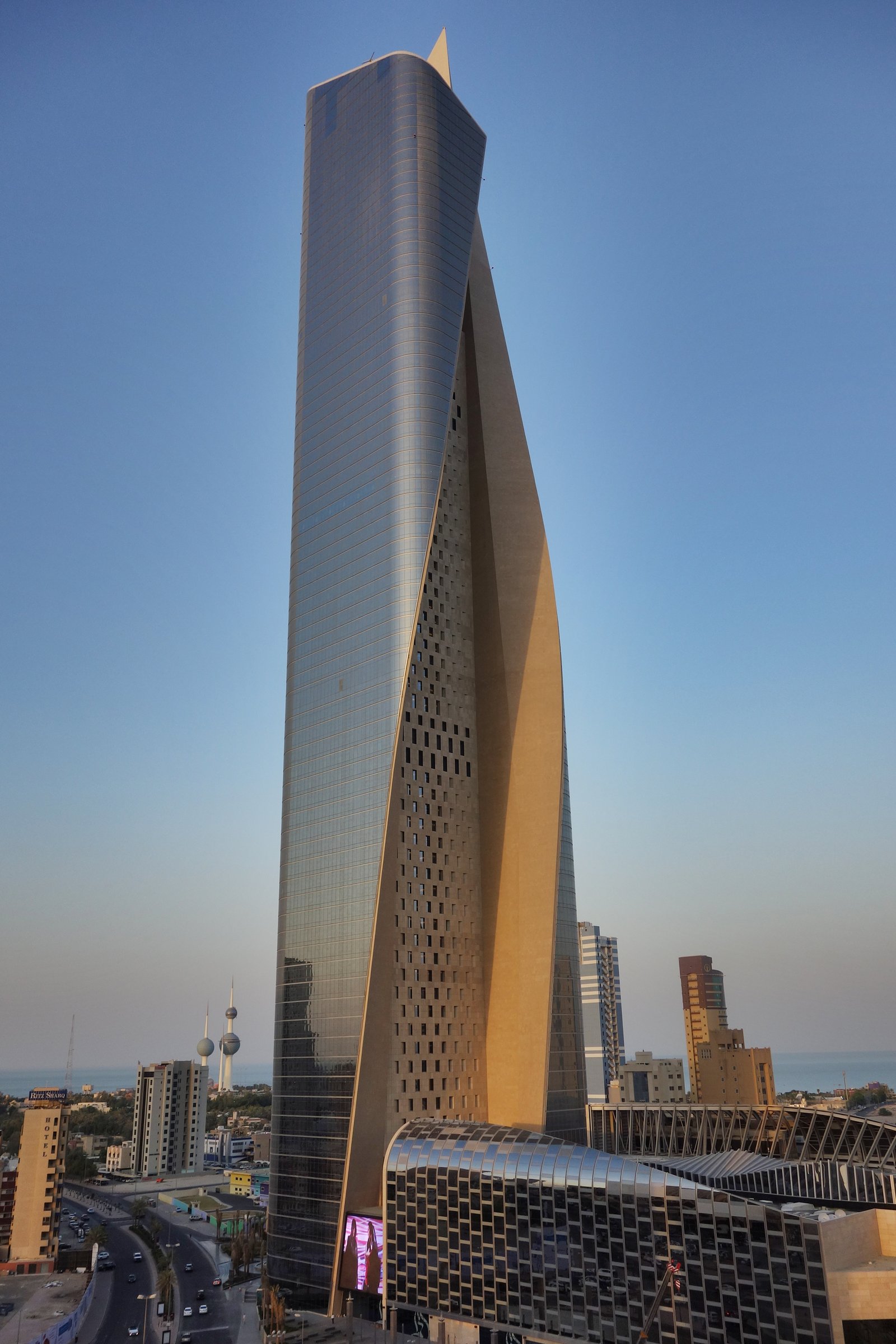
Al Hamra Tower stands tall in Kuwait City. Its twisting design captivates many. But beneath its beauty lies a story of structural failure. The original design was RECTANGULAR. It cracked under the intense heat. Allegedly, the twist was a last-minute fix. This change raised eyebrows among architects and engineers.
In one account, workers faced intense pressure during construction. The official narrative glosses over these issues. It focuses on aesthetics instead. But the truth is much darker. To explore more about similar structures, check The Torch Dubai Fire.
THE OFFICIAL STORY
The Al Hamra Tower was completed in 2011. It rises 412 meters, making it one of the tallest buildings in the region. The design is sleek and modern. Architects claimed the twist enhances its visual appeal. The building represents Kuwait’s growing skyline and ambition.
However, the construction faced numerous challenges. The desert climate posed significant risks. Workers had to deal with extreme temperatures. Despite these obstacles, the project was celebrated upon completion. The twist was highlighted as a unique feature, drawing international attention.
Yet, the real story behind the design remains disputed. Was it purely for aesthetics? Or was there more to it? The answers may lie within the project’s hidden layers.
THE CONSPIRACY
Officially, the 73-degree twist in Al Hamra Tower was for aesthetic reasons. But leaks reveal a different narrative. Structural drawings suggest an emergency redesign. The original rectangular plan suffered CRACKS during heat simulations. The twist was allegedly introduced as a solution.
Workers report that the redesign was rushed. They felt pressure to meet deadlines. This led to compromises in safety. In one account, construction teams struggled with the new design. They were forced to adapt quickly, which put them at risk.
Experts have noted that rapid changes in design can lead to serious structural issues. Allegedly, this was the case with Al Hamra. The twist, once seen as innovation, now raises questions about the engineering process. Was it a cover-up of deeper issues? The implications are far-reaching.
For a deeper dive into similar conspiracies, visit Bahrain World Trade Center Turbines.
THE POSITIVE IMPACT
Despite the controversies, Al Hamra Tower has made a significant impact. It symbolizes modern architecture in Kuwait. The tower has attracted tourists and businesses alike. Its unique design has inspired other projects in the region.
Moreover, the building has become an iconic landmark. It showcases Kuwait’s resilience and ambition. The twist, while controversial, has become a point of pride for many. It signifies overcoming challenges and pushing boundaries.
Still, it’s crucial to remember the stories behind the structure. Each building has its hidden truths. Al Hamra is no different. It teaches us about the intersection of beauty and structural integrity.
THE BURIED INVENTION
Al Hamra Tower’s design included innovative features. However, some inventions remain buried. Reports indicate that some technologies were overlooked during construction. Workers claim that efficient cooling systems were initially planned.
These systems could have mitigated the extreme heat. Instead, many of these ideas were scrapped in favor of faster construction. Allegedly, this decision was influenced by budget constraints.
As a result, the building’s energy efficiency suffered. The focus on aesthetics overshadowed practical solutions. It raises questions about the priorities in architectural design. Were the beautiful lines worth the potential drawbacks?
HUMAN COST & UNTOLD STORIES
The human cost of Al Hamra’s construction is significant. Workers reported long hours and tough conditions. Allegedly, many faced harassment and unsafe practices. These stories are often silenced.
In one account, workers described feeling expendable. The rush to complete the tower overshadowed their well-being. They worked tirelessly, facing harsh desert conditions. Their contributions, often unrecognized, were essential to the project.
These narratives highlight the darker side of monumental architecture. Behind every grand structure, there are stories of struggle. Recognizing these realities is essential to understanding the full impact of engineering feats.
THE LEGACY
Al Hamra Tower will leave a lasting legacy. It stands as a testament to ambition and innovation. However, it also serves as a reminder of the costs involved in construction. The hidden stories of workers are crucial to its history.
WHAT NO ONE ASKS: How did the redesign affect structural integrity? Nakheel Tower serves as another example of ambition and lost potential.
COMPARISON TO SIMILAR STRUCTURES
- The Torch Dubai Fire — A tale of design and disaster
- Bahrain World Trade Center — Innovative structures with hidden risks
- Nakheel Tower — Ambition met with challenges
THE LESSON
Every engineering marvel has a hidden story. Understanding these truths is vital for future projects.
CALL TO ACTION
Join our newsletter for more insights into hidden engineering stories.
Leave a Reply