Bosco Verticale
INTRODUCTION
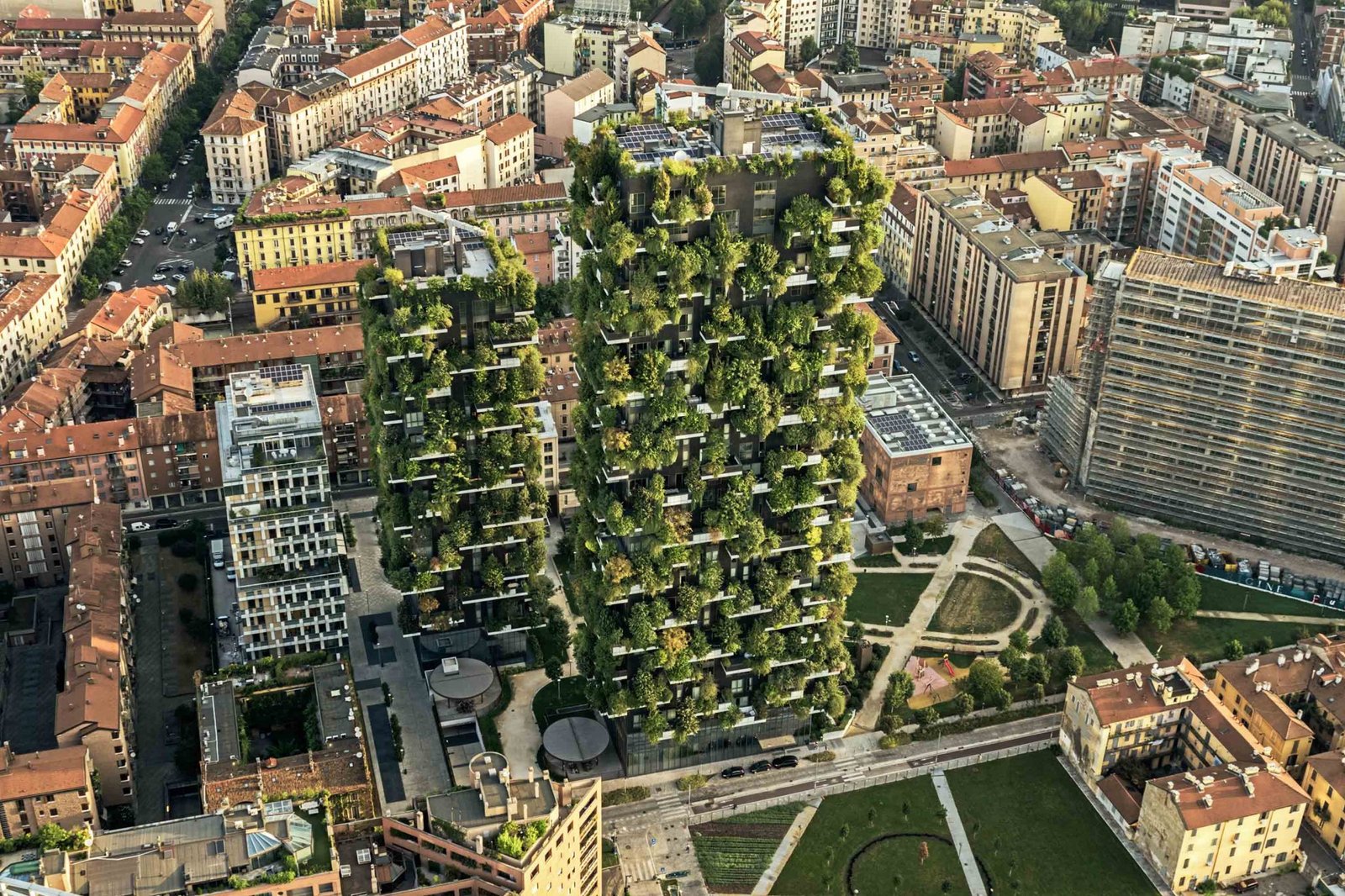
Bosco Verticale, Milan’s iconic vertical forest, redefined urban architecture. These two residential towers rise 80 and 112 meters tall, hosting over 900 trees and 20,000 plants. The design aimed to merge nature and city life. It promised cleaner air and urban biodiversity. Yet, beneath this green marvel, a structural challenge brewed. The roots of the trees penetrated waterproof layers, leading to leaks inside luxury apartments. This problem became a serious concern just three years after completion.
While the official story credits advanced waterproofing technology, workers claim the root intrusion was foreseeable. The story remains disputed. Allegedly, shortcuts were taken to meet tight schedules. This controversy echoes other ambitious projects like One Central Park, where green design also faced hidden risks.
THE OFFICIAL STORY
Bosco Verticale was completed in 2014 by Stefano Boeri Architetti. The towers use reinforced concrete with concrete grade C30/37. The design integrates large planters to support mature trees. Engineers specified waterproof membranes and root barriers to protect the structure. The waterproofing system was tested for durability against water and root intrusion. Official reports state that the waterproofing layers were installed meticulously, designed to last at least 50 years under normal conditions.
The root barriers were made from high-density polyethylene. The project also featured an advanced irrigation system to maintain plant health without saturating the structure. The owners and architects touted the building as a model for sustainable urban living. Maintenance teams were assigned to monitor vegetation and building health continuously. The official narrative stresses that the waterproofing failure was a rare and unpredictable event, not a design flaw.
THE CONSPIRACY
Despite official assurances, tenants began reporting leaks by 2017. They claimed water seeped through ceilings and walls, damaging interiors. Investigations revealed that tree roots had penetrated the waterproofing membranes. This caused persistent leaks in several luxury apartments. According to unverified accounts, workers warned during construction that the root barriers might fail under pressure from large mature trees.
One account alleges that to meet deadlines, some waterproofing layers were applied too thin or incompletely. This plausible construction secret was kept quiet to avoid delays and cost overruns. Tenants sued the building management for negligence and demanded repairs. The lawsuit exposed internal emails mentioning concerns about root intrusion. The controversy remains disputed, with no official admission of fault. This scandal recalls issues faced by other green buildings like CopenHill, where innovative ideas clashed with practical challenges.
THE POSITIVE IMPACT
Despite these problems, Bosco Verticale remains a pioneering work of living architecture. The vertical forest reduces urban heat and improves air quality by absorbing CO2 and dust. It supports biodiversity in Milan’s dense city center. The greenery provides shade, reducing energy consumption for cooling. Residents enjoy a unique connection to nature high above the streets. The project inspired similar green skyscrapers worldwide.
Its success also pushed engineers to rethink waterproofing and root barrier technologies. New research now focuses on combining structural integrity with living vegetation. Bosco Verticale proved that urban forests can thrive vertically but exposed the need for stronger protection methods. The building’s legacy is both a warning and an inspiration for sustainable cities.
THE BURIED INVENTION
Among the innovations at Bosco Verticale was a specialized root barrier system integrated into the concrete planters. This system used flexible membranes combined with mechanical anchors designed to resist root pressure. Engineers experimented with new polymer blends to block roots while allowing drainage. This invention was a plausible construction secret not widely publicized.
However, the failure of these systems after three years suggests the technology was still immature. The buried invention raised questions about how to accommodate large trees atop tall buildings without compromising waterproofing. Research into self-healing membranes and layered root barriers continues today as a direct result of Bosco Verticale’s challenges. This innovation remains a work in progress but marks a crucial step toward truly living architecture.
HUMAN COST & UNTOLD STORIES
The leaks caused serious stress for residents who paid premium prices for their luxury apartments. Water damage ruined interiors and personal belongings. Some tenants reported mold growth linked to the leaks, raising health concerns. The lawsuit revealed stories of frustration and fear. Residents felt betrayed by promises of flawless living conditions.
Maintenance crews worked overtime to patch leaks, but root growth made permanent fixes difficult. Some workers claim they warned management about potential root problems during planting. These warnings were allegedly ignored to avoid construction delays. The human cost here was not just financial but emotional. The dream of living in harmony with nature came with unexpected risks and broken trust.
THE LEGACY
Bosco Verticale’s legacy is complex. It is hailed as a breakthrough in urban green design but also a cautionary tale. WHAT NO ONE ASKS: Why did regulators approve waterproofing that later failed? WHAT NO ONE ASKS: How will future buildings avoid similar root damage? The answers remain murky.
The controversy spurred new standards for integrating vegetation in high-rise buildings. It also pushed architects and engineers to improve root barrier technology. Still, many residents remain wary of living so close to nature indoors. The scandal has influenced other projects, including Vancouver roof collapse, where structural vegetation load posed challenges. Bosco Verticale teaches that innovation demands humility and constant oversight.
COMPARISON TO SIMILAR STRUCTURES
- One Central Park — Another vertical forest with heliostat glare issues and complex vegetation load management.
- CopenHill — A green energy plant with recreational ski slope, facing melting and waterproofing challenges.
- Vancouver Roof Collapse — Structural failure linked to heavy vegetation and waterproofing failures on a green roof.
THE LESSON
Living architecture must respect both nature and engineering limits. Ignoring early warnings risks costly failures and broken trust.
CALL TO ACTION
Subscribe to our newsletter for more untold engineering dark stories.
Leave a Reply