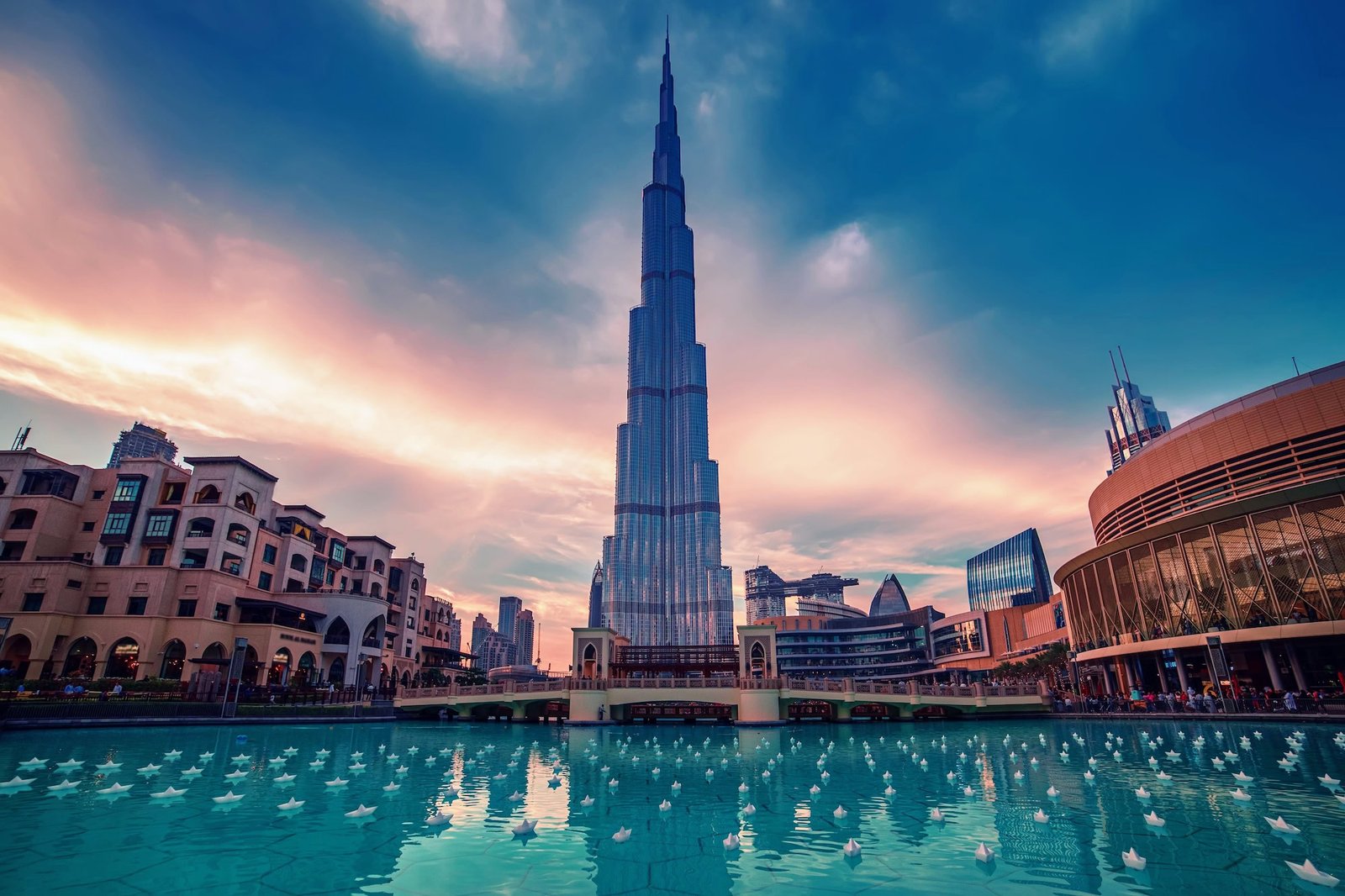
Burj Khalifa
INTRODUCTION
The Burj Khalifa in Dubai is a marvel of engineering and ambition. It soars 828 meters into the sky, making it the tallest man-made structure on the planet. Built with cutting-edge high-performance concrete, it pushed construction limits. But beneath the gleaming facade lies a shadowed past involving migrant workers. Allegedly, thousands of South Asians endured harsh conditions, wage theft, and passport confiscation. The 2009 global financial crisis delayed parts of the project, forcing hurried redesigns to meet deadlines. This story is not unique. Similar issues plagued the Jeddah Tower, which also faced a desert curse and labor controversies. Burj Khalifa’s tale is one of massive ambition intertwined with human sacrifice.
THE OFFICIAL STORY
The Burj Khalifa project began in 2004 and was completed in 2010. It was designed by the American firm Skidmore, Owings & Merrill. The structure uses a bundled tube design with a Y-shaped floor plan to maximize stability against Dubai’s high winds. Engineers used grade 80 MPa high-performance concrete, pumped to heights never before achieved, sometimes over 600 meters. The construction employed over 12,000 workers daily. Official reports highlight the technical achievements, including a state-of-the-art cladding system and advanced elevator technology reaching speeds of 10 meters per second. The tower was intended to symbolize Dubai’s emergence as a global city. The 2009 financial crisis caused some delays but was officially managed with minimal impact. The narrative celebrates innovation, engineering prowess, and Dubai’s vision for the future.
THE CONSPIRACY
Behind the official story lies a darker truth. Workers claim mass exploitation of South Asian migrants. Allegedly, wages were often unpaid or delayed, and many had their passports confiscated to prevent escape. These reports remain disputed but are supported by unofficial estimates suggesting over 1,000 deaths during construction, mostly from heat exhaustion and accidents. The 2009 financial crisis forced last-minute design changes and extreme scheduling pressure. Workers were pushed to meet impossible deadlines under harsh desert heat. Allegations include unsafe working conditions and neglect of labor rights. In one account, workers describe 12-hour shifts with no breaks and inadequate hydration. This pressure contrasts with the official narrative of smooth progress. The Burj Khalifa’s story resonates with similar controversies around the Shanghai Tower, where military floors and security concerns masked labor issues. The conspiracy reveals the human toll behind architectural grandeur.
THE POSITIVE IMPACT
Despite the controversies, the Burj Khalifa brought significant benefits. It boosted Dubai’s global profile and tourism industry. The project created thousands of jobs, albeit amid controversy. The advanced use of high-performance concrete set new standards for supertall buildings worldwide. It inspired innovations in vertical transportation and energy efficiency. The tower’s mixed-use design combined office, residential, and hotel spaces, sparking urban development in the surrounding area. Burj Khalifa also pushed engineering knowledge forward, especially in concrete pumping technology and wind engineering. Its success encouraged other cities to pursue ambitious skylines. The structure serves as a case study in balancing technological progress with ethical labor practices, a lesson increasingly recognized in global construction.
THE BURIED INVENTION
One plausible construction secret lies in the innovative concrete mix. Burj Khalifa used a unique high-performance concrete blend designed to withstand extreme pressures and temperatures. The mix included silica fume and superplasticizers to achieve both strength and workability. This allowed concrete to be pumped over 600 meters, a record at the time. The innovation enabled faster construction and reduced the need for steel reinforcement. While not widely publicized, this invention influenced many subsequent supertall projects. It remains disputed how much this technology was shared openly or kept proprietary. Some workers allege that rapid concrete pouring schedules were part of the pressure that led to labor abuses. The invention itself stands as a technical marvel buried beneath the human stories.
HUMAN COST & UNTOLD STORIES
The human cost of Burj Khalifa’s rise is staggering. According to unverified accounts, over 1,000 workers died during the decade-long project. Many succumbed to heat exhaustion under Dubai’s brutal summer sun. Wage theft left families impoverished. Passport confiscation trapped workers far from home with little legal recourse. Some workers claim they lived in overcrowded labor camps with poor sanitation. These stories rarely reached the public eye. The media coverage focused on the tower’s height and luxury. The workers’ voices remain largely unheard. Their sacrifices built the world’s tallest tower but at great personal cost. This section reveals the faces behind the steel and concrete, a reminder of the price paid for architectural glory.
THE LEGACY
Burj Khalifa’s legacy is complex. It stands as a symbol of human achievement and a monument shadowed by controversy. WHAT NO ONE ASKS: Why was the truth about labor conditions buried? The tower ignited debate about ethics in global construction. It raised questions on how far progress justifies exploitation. WHAT NO ONE ASKS: How did regulators allow such conditions to persist? These questions linger as Dubai continues to build ambitious projects. The legacy also includes technological breakthroughs that changed skyscraper design. The story connects with other iconic towers like the Petronas Towers, which had their own ghost skybridge mysteries. Burj Khalifa challenges us to remember the human stories behind engineering wonders.
COMPARISON TO SIMILAR STRUCTURES
- Jeddah Tower — Also faced labor abuse and desert challenges delaying completion.
- Shanghai Tower — Military floors and labor secrecy blurred its development.
- Petronas Towers — Known for ghost skybridge rumors and complex engineering.
THE LESSON
Monumental achievements must never come at the expense of human dignity. True progress respects both innovation and the workers who make it possible.
CALL TO ACTION
Subscribe to our newsletter to uncover more hidden stories of engineering marvels and the human costs behind them.
Leave a Reply