
Walt Disney Concert Hall
INTRODUCTION
The Walt Disney Concert Hall in downtown Los Angeles is a marvel of modern architecture and acoustic engineering. Its stainless steel panels curve with precision, designed to reflect sound and light in specific ways. However, this beauty has a darker side. Allegedly, the concave reflective panels created intense glare that fried dashboards of cars parked nearby. Residents filed lawsuits, claiming damage from the concert hall’s design. The city eventually ordered sanding of the panels to reduce glare. Rumors persist of a payoff to city inspectors to avoid harsher penalties. This controversy echoes issues seen in other innovative structures, like the Guggenheim titanium heist, where cutting-edge materials caused unexpected problems.
THE OFFICIAL STORY
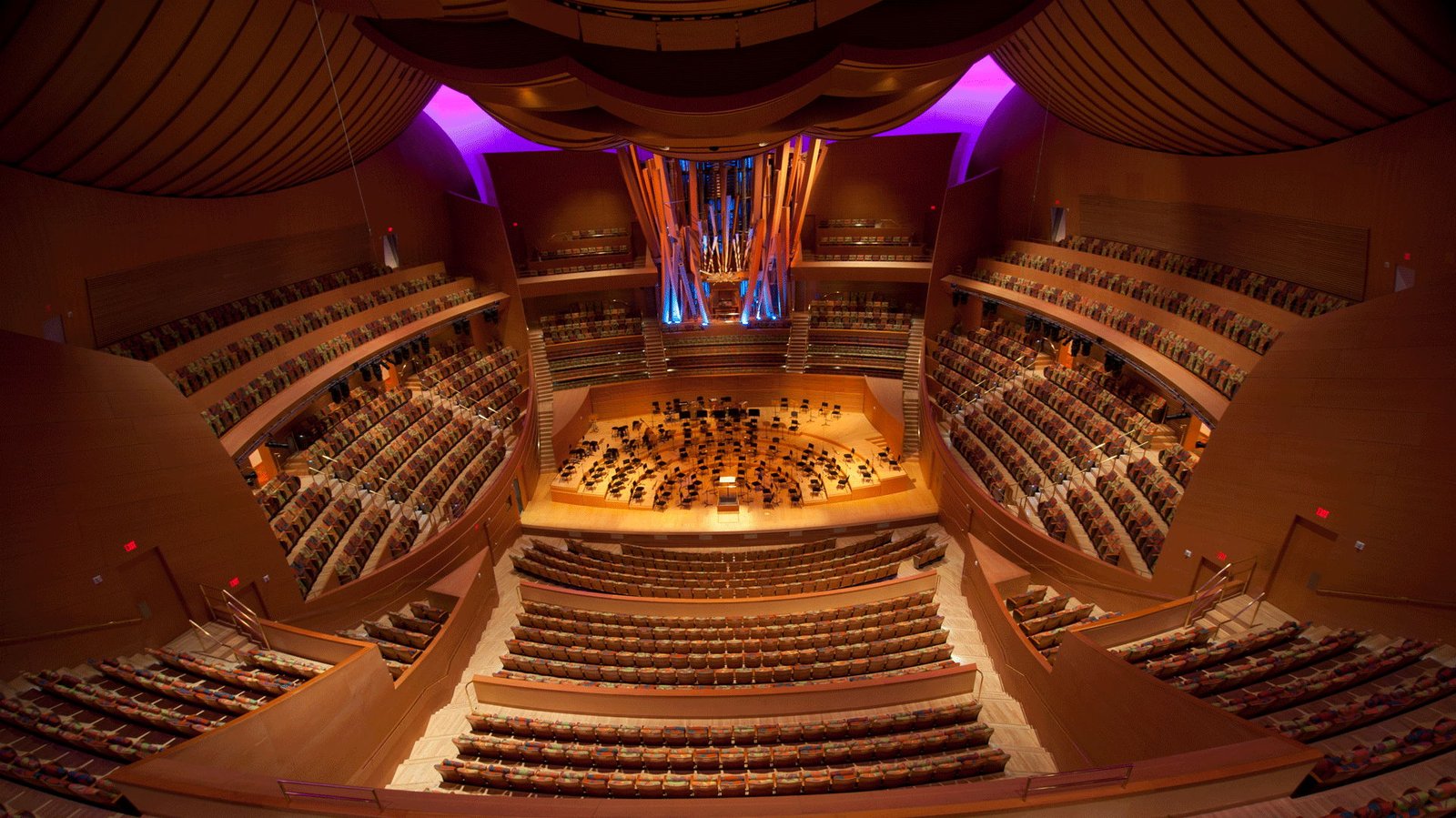
The Walt Disney Concert Hall officially opened in 2003. Designed by Frank Gehry, it features 6,000 curved stainless steel panels. The building aims to combine stunning visual aesthetics with world-class acoustic performance. Engineers used advanced acoustic modeling to optimize sound quality inside the concert hall. The exterior panels were intended to reflect sunlight gently without causing disruption. The city and architects acknowledged early on that some glare might occur but claimed it was minimal and manageable. After complaints, the panels in affected areas were lightly sanded to diffuse reflections. Officials maintain no intentional wrongdoing or negligence took place. The project used concrete grade 5000 psi for the foundation and employed over 1,200 workers during construction. This official narrative highlights innovation and problem-solving rather than controversy.
THE CONSPIRACY
Despite the official story, residents and some workers claim the glare was far worse than admitted. In one account, concave panels focused sunlight like a magnifying glass, melting car dashboards and damaging apartment interiors. The lawsuits alleged negligence in design and failure to warn the public. Some say the city inspector responsible for code compliance was quietly paid off by Disney executives to minimize penalties. This alleged payoff remains disputed and is based on unverified accounts from anonymous sources. Workers claim the sanding was a rushed fix to hide the severity of the glare problem rather than a long-term solution. The controversy raises questions about accountability in architectural projects. Similar issues occurred at the Mercedes Stadium, where engineering oversights led to costly repairs and public outcry.
THE POSITIVE IMPACT
Regardless of controversy, the Walt Disney Concert Hall stands as an architectural icon and cultural hub. Its acoustic modeling set new standards for concert halls worldwide. The building attracts millions of visitors annually, boosting Los Angeles’ cultural prestige. The sanding fix, while reactive, shows that engineering solutions can adapt to unforeseen problems. The concert hall inspired innovations in cladding technology and precision metal fabrication. It also sparked public dialogue about balancing creative design with practical safety. The hall’s success helped fund arts programs and revitalized the surrounding neighborhood. This positive impact underscores how architecture can enrich communities despite challenges.
THE BURIED INVENTION
Behind the glare controversy lies a lesser-known invention: a custom acoustic modeling software developed for the concert hall. This software simulated sound reflections inside the complex curved interior with unmatched accuracy. It influenced future concert hall designs globally. The software’s algorithms accounted for materials, curvature, and audience absorption. However, the exterior reflective behavior was less precisely modeled, contributing to the glare issue. This gap between acoustic intent and solar reflection remains a plausible construction secret. The invention itself remains a milestone in engineering, quietly shaping concert hall acoustics beyond Disney Hall. It illustrates how innovation can come with hidden trade-offs.
HUMAN COST & UNTOLD STORIES
Workers on site recall long hours shaping the complex panels with tight deadlines. Some allege pressure to finish quickly led to less thorough glare testing. Nearby residents suffered property damage and stress from the intense reflections. Lawsuits reveal stories of melted dashboards, scorched paint, and disrupted lives. Allegedly, some residents faced delays in compensation. These human costs often go unreported in architectural triumphs. The controversy highlights the gap between visionary design and everyday impact on communities. It reminds us that behind every iconic building are real people affected by its flaws.
THE LEGACY
The Walt Disney Concert Hall remains a beloved landmark but carries a legacy of controversy. WHAT NO ONE ASKS: Why did regulators approve the design despite glare risks? WHAT NO ONE ASKS: How much influence did Disney have over city oversight? These questions linger. The hall’s story is woven into Los Angeles’ urban fabric, a reminder of the complex dance between innovation and accountability. The glare lawsuit and rumors of payoffs continue to fuel debate. Its legacy also connects to other engineering challenges like those at the Marina Bay Sands Skypark. The hall’s impact extends beyond music to lessons about power, design, and the cost of beauty.
COMPARISON TO SIMILAR STRUCTURES
- Guggenheim titanium heist — Another iconic building with material controversies and theft rumors.
- Mercedes Stadium — Engineering oversights led to costly repairs and public backlash.
- Marina Bay Sands Skypark — Structural cracks raised questions about design safety and accountability.
THE LESSON
Innovation must respect real-world impact. Beauty without accountability risks harm. Transparency is essential to protect communities.
CALL TO ACTION
Share this story to raise awareness about hidden architectural risks and demand transparency in design processes.
Leave a Reply