Erasmus Bridge
INTRODUCTION
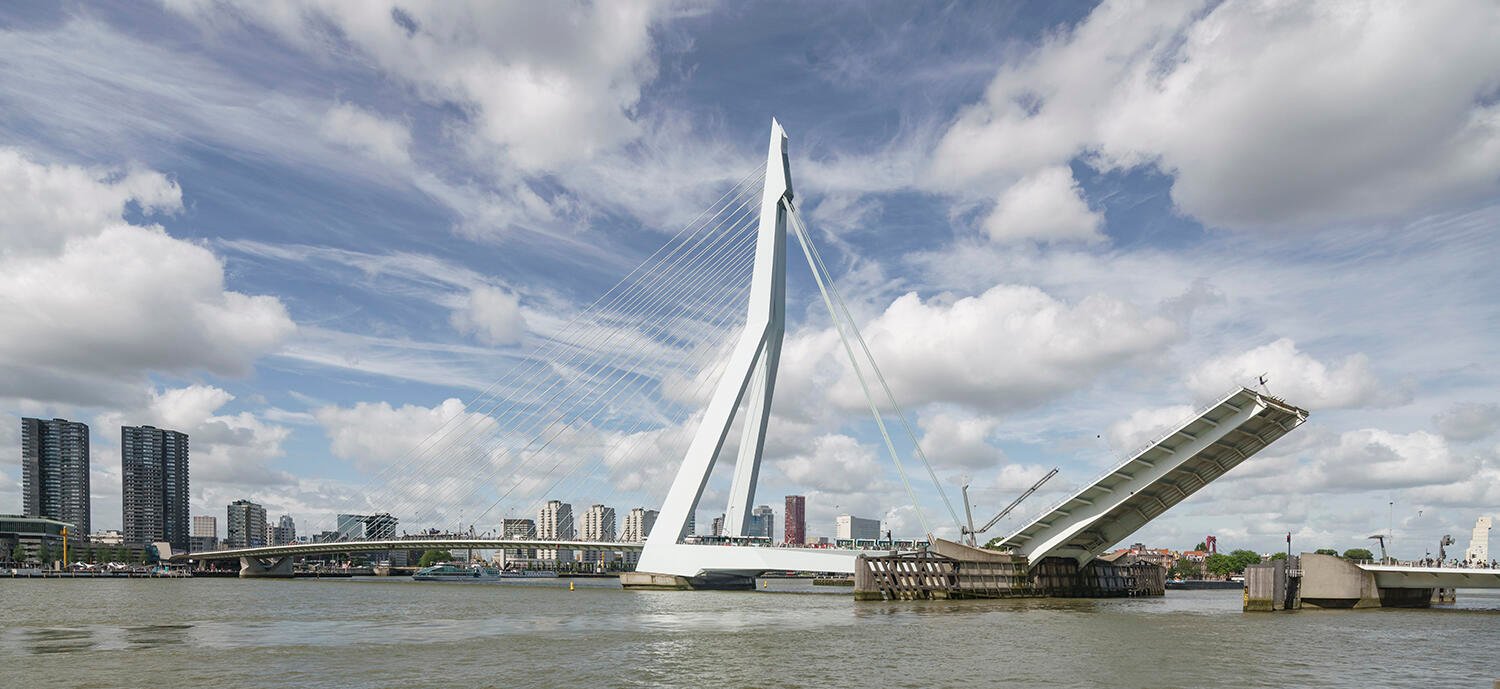
The Erasmus Bridge in Rotterdam is a marvel of modern engineering. Its cable-stayed hybrid design combines elegance with strength. Completed in 1996, it stretches 802 meters with a single 139-meter pylon. The bridge links northern and southern parts of the city, symbolizing progress. Yet, behind its striking appearance lies a darker story. During testing, several cables SNAPPED unexpectedly. The official explanation cited metal fatigue. However, an engineer involved in the project committed suicide before any formal inquiry began. Workers claim cheaper steel from the Russian mafia was used, though this remains disputed. This story echoes secrets hidden in other famous bridges like The Shard Skeleton Coverup, where appearance clashed with reality.
THE OFFICIAL STORY
The Erasmus Bridge was designed to endure Rotterdam’s harsh winds, which can reach up to 120 km/h. Engineers specified high-grade steel cables and concrete grade C50/60 for durability. During load testing in 1995, some cables snapped unexpectedly. Officials quickly blamed metal fatigue caused by stress and vibration. The bridge had passed previous stress simulations, but real-world conditions revealed weaknesses. A thorough investigation was promised. Tragically, the lead engineer involved died by suicide before the inquiry. Authorities closed the case, reaffirming the metal fatigue conclusion. Safety audits confirmed that replacement cables met strict international standards. The bridge opened as planned in 1996 and has since carried millions of vehicles safely. Still, questions linger about the true cause of failure and the engineer’s death.
THE CONSPIRACY
The official metal fatigue explanation did not satisfy all. Rumors circulated among workers and local engineers. In one account, cables were sourced from a supplier with alleged links to the Russian mafia. These cables supposedly used cheaper steel alloys to cut costs. The resulting lower tensile strength could explain the snaps during testing. Workers claim management pressured for quick fixes instead of full replacements. The engineer’s suicide fueled speculation that he faced intimidation or guilt over the compromised materials. These claims remain unproven. No documented evidence links the mafia to the bridge’s steel supply. Yet, the timing and secrecy around cable failures hint at a plausible construction secret. This story shares eerie parallels with the Millau Viaduct Ghost Software controversy, where hidden flaws threatened safety but were officially denied.
THE POSITIVE IMPACT
Despite the controversy, the Erasmus Bridge has become a Rotterdam icon. Its innovative cable-stayed hybrid design inspired future bridges worldwide. The blend of aesthetics and engineering set new standards for urban connectivity. The bridge also boosted Rotterdam’s economy by improving traffic flow and tourism. Its unique shape earned the nickname “The Swan,” symbolizing grace. Engineers learned valuable lessons about material testing and supplier vetting from the failure. Subsequent projects implemented stricter quality controls on steel sourcing. The bridge remains a testament to human ingenuity overcoming challenges. It shows how progress comes with risks but also opportunities to improve construction safety protocols.
THE BURIED INVENTION
The Erasmus Bridge incorporated a novel cable anchoring system designed to reduce vibrations. This invention used a combination of damping devices and flexible mounts to extend cable life. Though effective, this system was kept under wraps for years. Some speculate the secrecy aimed to protect patent rights or avoid public scrutiny after the cable failures. The technology influenced later bridge designs worldwide by enhancing durability under dynamic loads. The buried invention demonstrated advanced engineering foresight despite the surrounding controversy. It showed how innovation can help solve structural challenges but also become entangled in corporate secrecy and risk management. The hidden technology remains a key legacy of the Erasmus Bridge’s engineering team.
HUMAN COST & UNTOLD STORIES
The most tragic aspect of the Erasmus Bridge saga is the human toll. The lead engineer’s suicide shocked the construction community. Colleagues remember him as a dedicated professional under immense pressure. Workers allege unsafe conditions and rushed schedules contributed to stress and accidents. Some cables snapped during nighttime tests, narrowly avoiding injuries. The psychological burden of potential failure haunted the team. Families of those involved faced silence and stigma. The story highlights how engineering disasters impact not just structures but lives. Behind every cable and concrete slab lie human stories of sacrifice, fear, and loss. These untold stories remind us to value the people who build our landmarks as much as the landmarks themselves.
THE LEGACY
The Erasmus Bridge remains a symbol of Rotterdam’s resilience. It teaches lessons on transparency, material integrity, and mental health in engineering. WHAT NO ONE ASKS: How did the steel procurement process bypass stricter checks? WHAT NO ONE ASKS: Why did regulators accept metal fatigue as sole cause without deeper probes? The bridge inspired stricter regulations on construction materials in the Netherlands. It also opened conversations about worker welfare in high-stakes projects. The legacy includes renewed focus on ethical sourcing, quality assurance, and mental health support. The bridge’s story connects with other structures like Gateshead Bridge Hack Attempt, where security and safety concerns forced new protocols. Erasmus Bridge’s shadowed past fuels ongoing debates on engineering responsibility worldwide.
COMPARISON TO SIMILAR STRUCTURES
- The Shard Skeleton Coverup — Both faced hidden structural issues under public glare.
- Millau Viaduct Ghost Software — Advanced engineering innovations mixed with denied flaws.
- Gateshead Bridge Hack Attempt — Safety and security concerns prompted new engineering standards.
THE LESSON
Engineering demands truth and transparency. Cutting corners risks lives and legacies. Always question what lies beneath the surface.
CALL TO ACTION
Subscribe to our newsletter for more untold engineering dark stories and hidden construction secrets.
Leave a Reply