
Golden Gate Bridge
INTRODUCTION
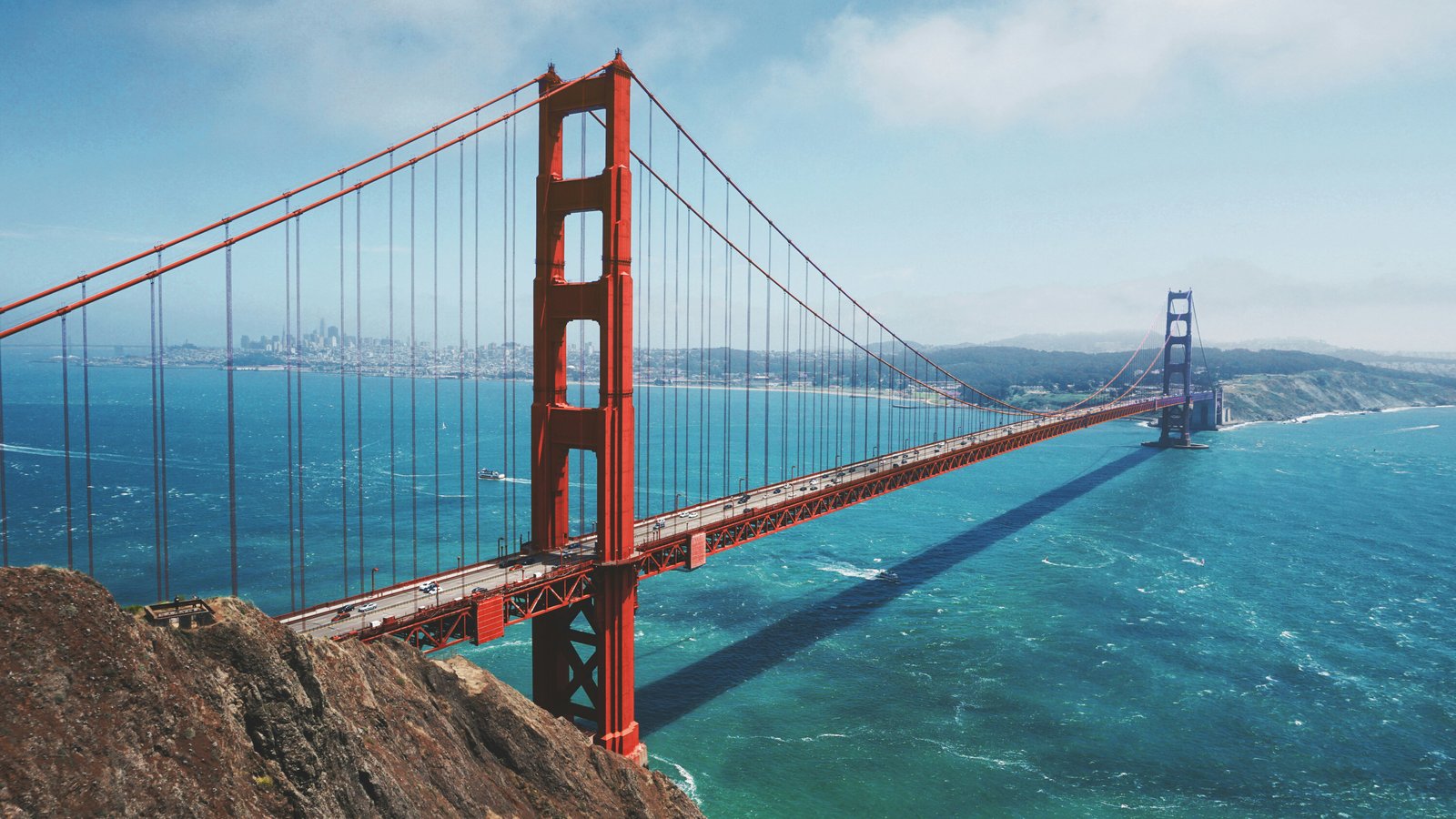
The Golden Gate Bridge is a SUSPENSION BRIDGE icon in San Francisco. Its span stretches 1,280 meters over the bay. Construction started in 1933 and finished in 1937. It was a feat of engineering and an early adopter of safety nets to catch falling workers. These nets were revolutionary and saved lives during construction. Yet, rumors persist about a dark side to these safety measures. Allegedly, a supervisor sabotaged the nets to “toughen men.” This rumor remains disputed but adds to the bridge’s mystique. The bridge’s story connects to other giant structures like the Akashi Bridge with its own secrets and safety questions. The Golden Gate stands not just as a marvel but as a monument to human risk and resilience.
THE OFFICIAL STORY
The Golden Gate Bridge was built using high-grade steel cables and concrete foundations reaching 67 meters deep underwater. Safety was a priority for the time. The construction included a safety net spanning 213 meters below the deck. This net reportedly saved 19 workers from fatal falls. The project employed over 1,400 men at peak times. Wind speeds at the site could reach 80 km/h, making the work perilous. The safety net was hailed as a breakthrough in worker protection. Official records show ten workers died during construction. The nets were credited with preventing many more deaths. The project finished ahead of schedule in 1937. The bridge became a symbol of innovation and progress. Yet, some accounts suggest not all dangers were fully addressed or reported.
THE CONSPIRACY
Rumors allege a “death cult” around the safety nets. While 19 workers were saved, 10 others died when the nets failed. One body was never recovered, fueling speculation. According to unverified accounts, a supervisor sabotaged the nets intentionally. The alleged motive was to “toughen men” and reduce safety costs. Workers claim some nets were weakened or improperly maintained. This story remains disputed due to lack of concrete evidence. However, it reflects the harsh realities faced by laborers in the 1930s. The conspiracy echoes similar claims at other sites like the Empire State Building, where worker safety was sometimes sacrificed for speed and cost. Such allegations highlight the blurred line between safety innovation and exploitation. Whether true or not, the story adds a shadow to the bridge’s history.
THE POSITIVE IMPACT
The safety net innovation at the Golden Gate Bridge set new standards. It reportedly saved 19 lives during construction, a remarkable achievement in the 1930s. This practice influenced future large-scale projects worldwide. It introduced the concept of active fall protection on a massive scale. The bridge’s success showed that engineering could include human safety without sacrificing progress. The net’s presence boosted worker confidence and helped reduce fatal accidents. This early use of safety nets paved the way for modern occupational safety protocols. It became a symbol of balancing risk and protection. Despite controversies, the Golden Gate’s safety initiatives remain a positive legacy in construction history.
THE BURIED INVENTION
The safety net itself was a pioneering invention for the time. Made from high-strength wire mesh, it spanned 213 meters and was suspended 27 meters below the deck. The net was designed to catch falling workers and tools, preventing deadly falls into San Francisco Bay. Its installation required precise engineering to handle wind and weight stresses. This invention was tested and improved during construction. It was a plausible construction secret that few structures had such protective measures. The innovation demonstrated how engineering could evolve to include worker protection. It remains a hidden hero behind the bridge’s iconic image. The net’s design influenced safety equipment in future bridges and skyscrapers worldwide.
HUMAN COST & UNTOLD STORIES
The human cost of building the Golden Gate Bridge was heavy. Officially, 10 workers died. One body was never recovered after a net failure, according to workers’ rumors. Many suffered injuries from falls and harsh working conditions. The “death cult” rumor reflects the workers’ fear and anger over these losses. Stories from laborers describe long hours, dangerous winds, and the constant threat of falling. Some accounts allege supervisors pressured men to take risks. These untold stories reveal the sacrifices behind the bridge’s majesty. The workers’ courage and resilience built one of the world’s most famous bridges. Their stories deserve recognition alongside the bridge’s fame.
THE LEGACY
The Golden Gate Bridge stands as a symbol of innovation and tragedy. It changed engineering and safety forever. Yet questions remain. WHAT NO ONE ASKS: Why did regulators approve the safety net design despite failures? WHAT ABOUT THE UNRECOVERED BODY? The legacy includes both triumph and loss. The bridge’s story is linked to others like the One World Trade Center where safety controversies also arose. The Golden Gate reminds us that progress often comes with human cost. Its story continues to inspire engineers and caution against complacency.
COMPARISON TO SIMILAR STRUCTURES
- Akashi Bridge — Another suspension bridge with disputed safety coverups.
- Empire State Building — High-risk construction with worker safety rumors.
- One World Trade Center — Modern safety innovations and controversies.
THE LESSON
Engineering marvels must never sacrifice human life. Transparency and safety go hand in hand with progress.
CALL TO ACTION
Subscribe to our newsletter for more untold engineering dark stories.
Leave a Reply