The Vessel (NYC)
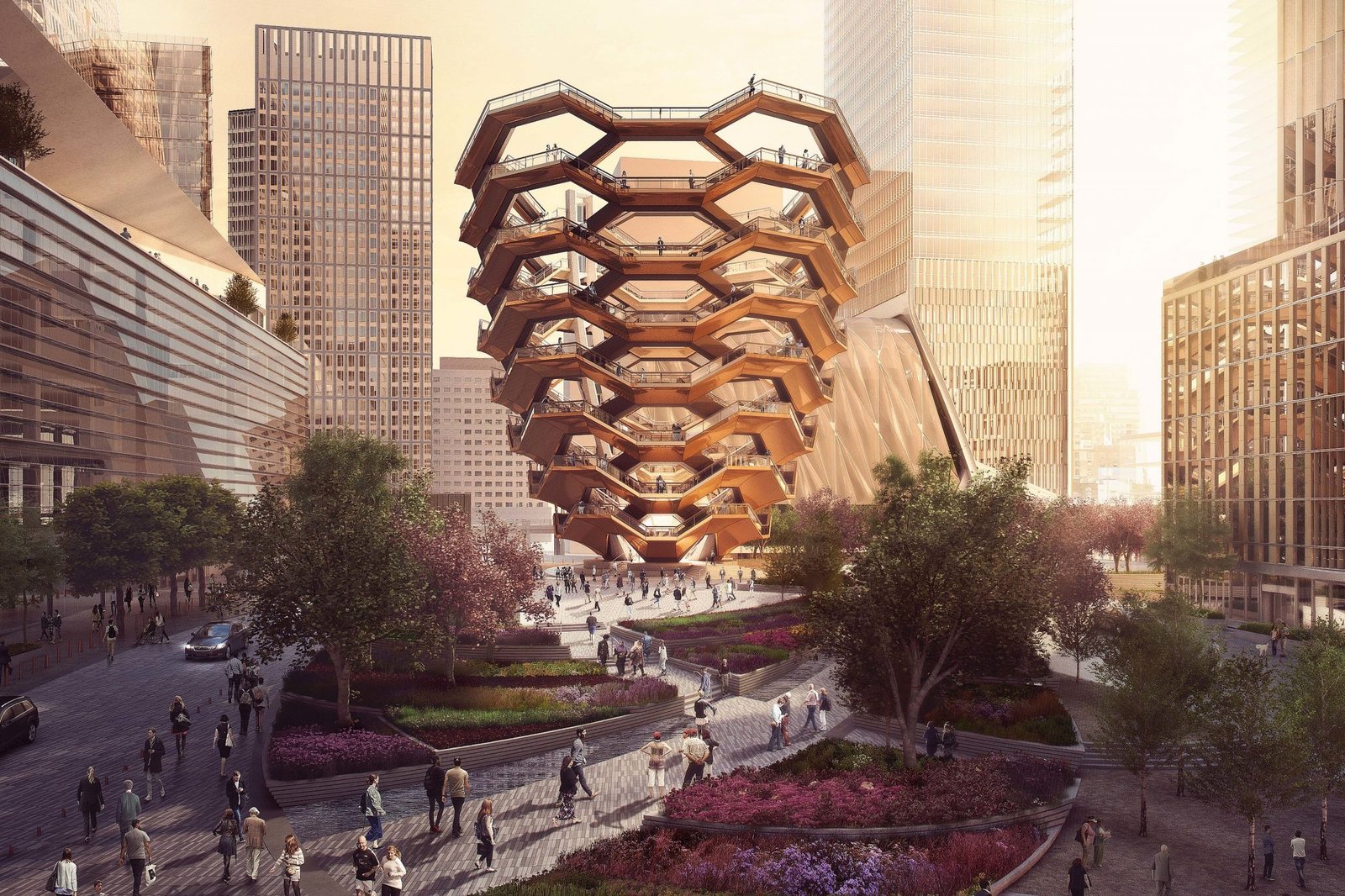
The Vessel in New York City was built as a public marvel. But a haunting design flaw allegedly ignored warnings about easy-to-climb copper ledges. Four tragic suicides forced its closure. This story warns how BEAUTY can hide DEADLY RISKS in architecture.
INTRODUCTION
New York City’s The Vessel stands as a striking public landmark with its spiral staircases and complex geometry. It was designed to invite visitors to explore vertical pathways and panoramic views. Yet beneath this architectural marvel lies a troubling story. Workers allegedly warned that the copper cladding featured ledges that were easy to climb, posing a suicide risk. Despite these warnings, the design went unchanged. The Vessel eventually saw four deaths by suicide, leading to its closure. This controversy reveals the tension between design vision and public safety. For a broader view of architectural risks, see the story of Mercedes Stadium’s roof hack.
THE OFFICIAL STORY
The Vessel was unveiled in 2019 as a centerpiece for Hudson Yards. Standing approximately 46 meters tall, it features 154 interconnected staircases and 2,500 steps arranged in a honeycomb pattern. The designers focused on creating a unique visitor experience with open-air climbing. The structure uses a steel frame clad in copper alloy panels for aesthetics and durability. Official statements emphasized safety features including railings and restricted access points. The city and developers maintained that the design met all building codes and standards. No explicit anti-suicide measures were included. The Vessel attracted millions until 2021 when it was closed after multiple suicide incidents. Authorities cited public safety concerns for the indefinite closure.
THE CONSPIRACY
Rumors emerged from workers who claimed the copper cladding had easy-to-grip ledges that facilitated climbing beyond the intended areas. These workers allegedly warned designers and contractors during construction about potential risks. According to unverified accounts, these concerns were dismissed to preserve the aesthetic integrity. The lack of anti-suicide design features remains disputed but is widely criticized. After four suicides occurred within two years, public outcry grew. Critics argue the structure’s open design and climbable ledges were a foreseeable hazard. Some suggest a plausible construction secret: the copper panels’ shape and spacing were never tested for safety against such misuse. The story recalls other architectural controversies like the Guggenheim Titanium Heist, where design choices masked hidden vulnerabilities.
THE POSITIVE IMPACT
Despite its dark legacy, The Vessel sparked innovative urban design conversations. It showed how public spaces could blend art, architecture, and interaction on a grand scale. The complex geometry inspired architects worldwide to explore non-traditional forms. The project also brought renewed attention to the Hudson Yards district, boosting tourism and local business. Safety concerns led to new guidelines for suicide prevention in public structures. The Vessel’s story pushed city planners to rethink risk management in iconic designs. It became a case study for balancing beauty with responsibility. The structure’s temporary closure opened dialogue about mental health and public space safety.
THE BURIED INVENTION
Among the Vessel’s engineering feats was its modular steel framework. Built with over 250 prefabricated pieces, the structure assembled rapidly on site. The copper cladding used a proprietary alloy designed to weather the New York climate while retaining a distinctive patina. This cladding system was praised for its durability and aesthetic appeal but allegedly overlooked safety implications. Workers describe a plausible construction secret: the panels’ ledges were intended for drainage and ventilation but inadvertently created footholds. This unintended design consequence was never fully addressed. The Vessel’s spiral staircases represent a complex geometric invention, combining hexagonal patterns with vertical access, a challenge in structural engineering. Yet the buried invention remains overshadowed by tragic outcomes linked to design oversights.
HUMAN COST & UNTOLD STORIES
The Vessel’s story is one of human tragedy. Four people died by suicide at the site within a short span. Families and communities were devastated. Workers claim that during construction, some voiced concerns about safety features, but these warnings went unheeded. Mental health advocates argue the design lacked necessary barriers or deterrents. In one account, a maintenance worker described the easy climb ledges as a “death trap” that no one wanted to admit. The closure deeply affected Hudson Yards visitors and employees. The human cost highlights the consequences when architectural beauty overshadows safety. Untold stories of grief, warning signs, and ignored advice linger around the Vessel’s legacy.
THE LEGACY
The Vessel’s legacy is conflicted. It remains a symbol of architectural innovation and tragic oversight. WHAT NO ONE ASKS: Why did regulators approve the design without anti-suicide measures? WHAT NO ONE ASKS: Why were workers’ warnings ignored? These questions haunt the conversation. The closure sparked debates on public safety and mental health in urban design. The Vessel also influenced changes in building codes and inspired more cautious approaches to public art installations. For further insights into design controversies, see The Edge smart hack. The legacy endures as a lesson in balancing aesthetics with human safety.
COMPARISON TO SIMILAR STRUCTURES
- Mercedes Stadium Roof Hack — A case of design vulnerability exploited in sports architecture.
- Guggenheim Titanium Heist — A controversy involving hidden risks in cladding materials.
- The Edge Smart Hack — Technology and security challenges in modern skyscrapers.
During The Vessel’s construction, warnings about the copper cladding’s easy-to-climb ledges were allegedly ignored. This design oversight was covered up despite workers’ concerns that it posed a suicide risk. No anti-suicide measures were implemented, leading to multiple tragic deaths and the structure’s closure.
THE LESSON
Architectural beauty must never compromise human safety. Ignored warnings can lead to tragic consequences.
CALL TO ACTION
Subscribe to our newsletter for more untold stories behind iconic structures and their hidden secrets.
प्रातिक्रिया दे