Masdar City
INTRODUCTION
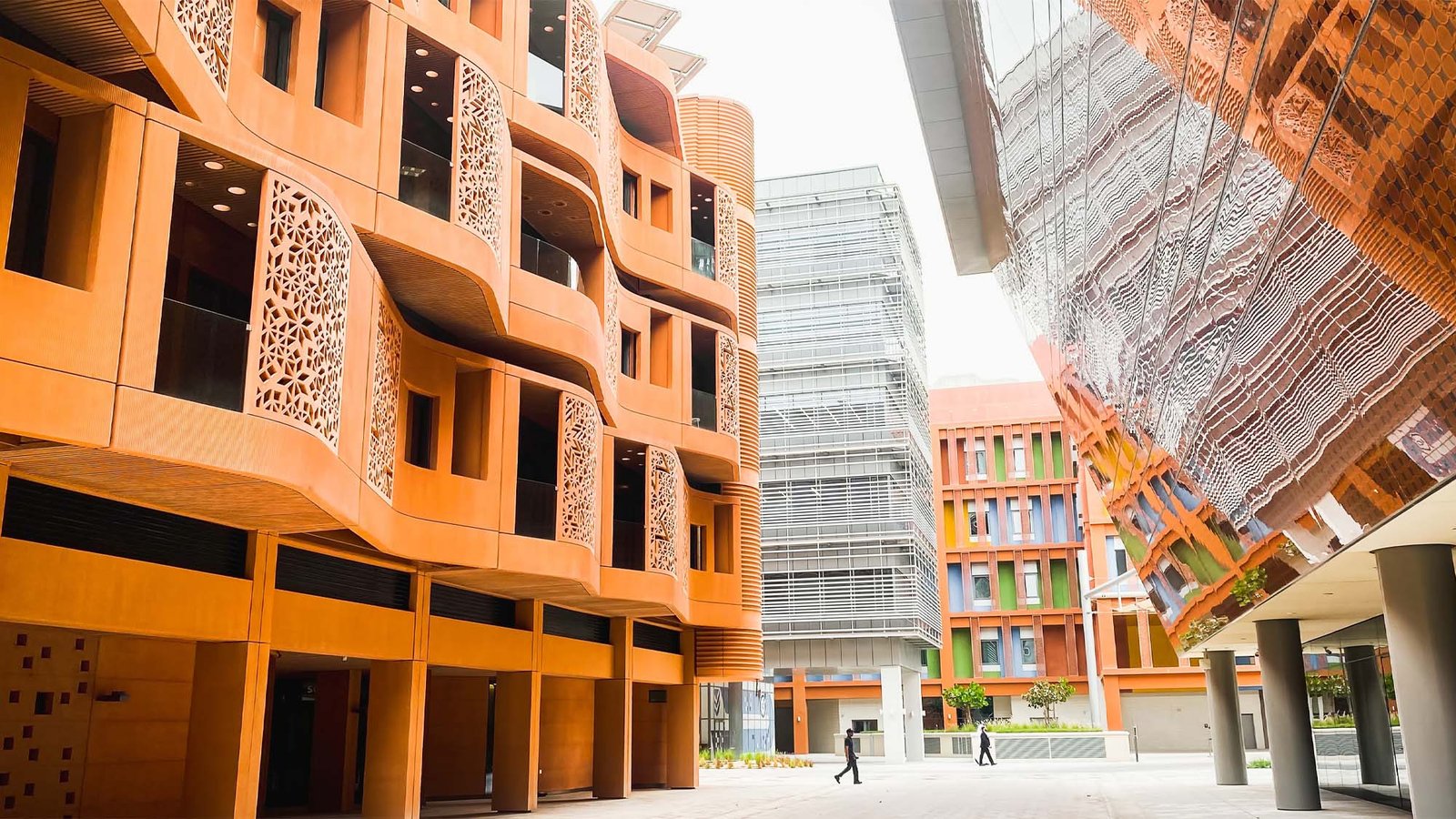
Masdar City stands as a bold vision in the UAE to create a smart, ZERO-CARBON urban environment. Launched in 2006, it promised clean energy and sustainable living. Yet the project stalled, leaving large areas half-built and eerily quiet. Workers claim the city was built mainly with imported concrete grades like CEM III/A 42.5, not local materials. Migrant laborers from South Asia formed the backbone of construction, often working under harsh conditions. The tale of Masdar City is more than a green dream; it’s a ghost city drama. For a glimpse into other UAE construction mysteries, see Burj Khalifa Dark Story.
THE OFFICIAL STORY
The UAE government officially presents Masdar City as a cutting-edge, zero-carbon smart city. The plan includes solar power, electric vehicles, and energy-efficient buildings designed to withstand desert heat and winds up to 120 km/h. Construction began with high-quality concrete and advanced materials to maintain sustainability standards. The city was intended to house 40,000 residents and 50,000 workers by 2020. Public transport would be EV-only to reduce emissions. The project stalled due to economic shifts around 2013. Many buildings remain incomplete. Authorities emphasize that the city will resume development soon, maintaining its green credentials and commitment to innovative urban planning.
THE CONSPIRACY
The official story hides a darker undercurrent. Workers claim large amounts of concrete were imported from abroad, contradicting the zero-carbon narrative. The use of heavy concrete instead of local sustainable materials raises questions about the city’s environmental footprint. Rumors also circulate about the EV-only roads. Allegedly, these roads conceal OIL pipelines beneath the surface, a plausible construction secret to safeguard UAE’s energy infrastructure. This would contradict the city’s zero-carbon image. The migrant labor force faced exploitation, with wages delayed and living conditions poor. In one account, workers describe abandoned construction sites where they were left idle for months. This ghost city effect remains disputed but aligns with similar issues in mega-projects like the Palm Jumeirah erosion coverup.
THE POSITIVE IMPACT
Despite setbacks, Masdar City pushed the boundaries of sustainable urban design. It pioneered energy-efficient building codes and integrated renewable power sources at scale. Solar arrays installed on rooftops supply clean electricity. The city’s design reduces cooling needs by up to 50 percent compared to traditional desert cities. Masdar also fostered international research collaborations on clean tech. The project inspired other zero-carbon initiatives worldwide. Its electric vehicle network, even if limited, demonstrated the feasibility of EV infrastructure in harsh climates. Masdar remains a living lab for sustainable innovation, encouraging greener urban futures despite its unfinished state.
THE BURIED INVENTION
One lesser-known fact is Masdar City’s development of advanced energy storage systems. Engineers developed a modular battery technology to store solar power efficiently despite high desert temperatures. This invention uses heat-resistant materials and a novel cooling design. It allows solar energy to be stored and released during the night with minimal loss. This technology remains largely buried in academic papers and patents, overshadowed by the city’s incomplete profile. It could revolutionize renewable energy use in harsh environments. The invention reflects the city’s core ambition: to make zero-carbon living practical and scalable even in extreme conditions.
HUMAN COST & UNTOLD STORIES
The human price of Masdar City’s construction is often overlooked. Migrant laborers from countries like India, Pakistan, and Bangladesh worked in extreme heat exceeding 45°C. Reports suggest wage delays and cramped, unsanitary accommodations. Some workers faced injuries on site with limited medical support. The ghost city status left many unemployed or underpaid for months. Allegedly, these laborers were bound by restrictive contracts limiting their rights. Their sacrifices contrast sharply with the city’s green image. Their stories remain untold, buried beneath the concrete and glass. This human cost warns of the social trade-offs behind ambitious engineering projects.
THE LEGACY
Masdar City’s legacy is complex. It symbolizes both the promise and pitfalls of ambitious urban sustainability. WHAT NO ONE ASKS: Why was the truth buried beneath the city’s green facade? WHO PAYS THE PRICE for futuristic visions when projects stall? The city still serves as a testbed for renewable tech and urban planning innovation. Yet the ghost city drama and labor issues cloud its reputation. For more on hidden legacies in giant structures, see Abraj Al Bait Heritage Destruction.
COMPARISON TO SIMILAR STRUCTURES
- Burj Khalifa — Both UAE giants with migrant labor controversies and ambitious engineering feats.
- Palm Jumeirah — Another UAE mega-project with environmental and labor coverups.
- Abraj Al Bait — Heritage loss and worker exploitation in massive construction projects.
THE LESSON
Green dreams must not hide harsh realities. Transparency and human dignity are as vital as innovation.
CALL TO ACTION
Subscribe to our newsletter for more untold engineering dark stories and hidden construction truths.
Leave a Reply