Millau Viaduct
INTRODUCTION
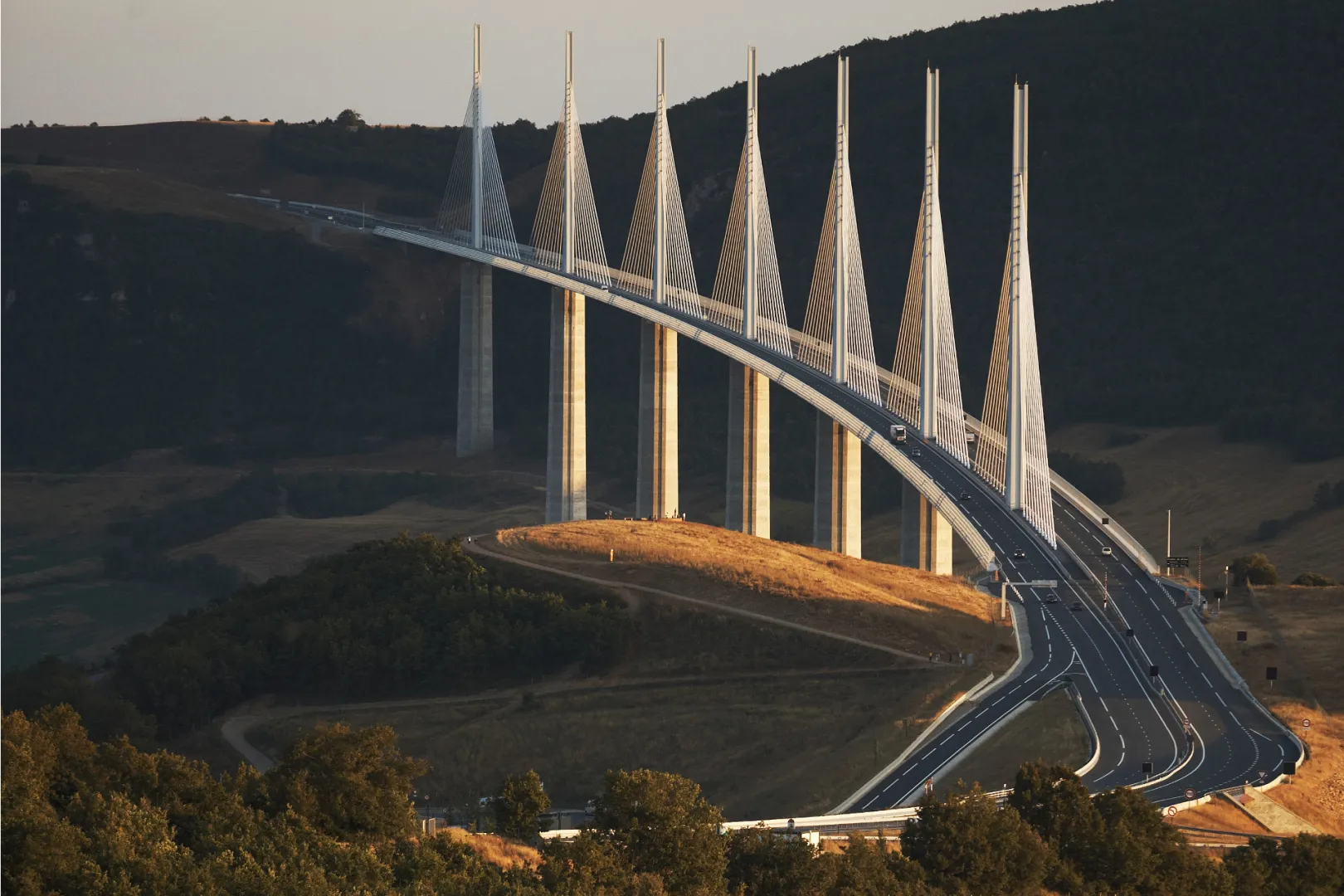
The Millau Viaduct stands as the tallest bridge in the world, an engineering marvel crossing the deep Tarn valley in France. Its segmental launching method was daring and unprecedented at this scale. This technique involved sliding massive concrete segments into place, a risky operation over a 343-meter-deep gorge. The project attracted global attention for its ambitious design and construction speed. However, not everything went as planned during the final phases. Allegedly, during the segmental launching, a 30-ton girder swung wildly due to an unexplained software glitch. Engineers blamed a ‘software ghost’ that mysteriously vanished from system logs. This incident remains disputed but raises serious questions about the control systems used. This story echoes other engineering mysteries, such as the Akashi Bridge earthquake coverup, where official narratives clashed with worker accounts. The Millau Viaduct’s construction was a blend of cutting-edge technology and human endurance.
THE OFFICIAL STORY
The Millau Viaduct was designed by architect Norman Foster and engineer Michel Virlogeux. Construction began in 2001 and completed in 2004. The bridge reaches 343 meters at its highest pylon, making it the tallest in the world. It spans 2,460 meters and uses high-performance concrete grades C60/75 for durability. The segmental launching technique was chosen to minimize impact on the valley below. Segments weighing up to 30 tons were slid into position over steel bearings. According to the official reports, the process went smoothly except for minor adjustments. Engineers monitored wind speeds closely, as gusts over 90 km/h could destabilize the segments. The control software was described as state-of-the-art, managing hydraulic jacks and sensors. No official mention was made of any software malfunctions or girder swings. The project wrapped up on schedule with zero major incidents reported publicly. It was hailed as a triumph of engineering precision and environmental sensitivity. Safety protocols included vibration sensors and real-time weather data feeding into the control systems. The official story paints a picture of flawless coordination and technological mastery.
THE CONSPIRACY
Workers claim a far different story. During segmental launching, a massive 30-ton girder suddenly swung out of control. This event allegedly lasted several tense minutes, with crews scrambling to secure the structure. Engineers blamed a ‘software ghost’ — an elusive bug or phantom signal in the control system that disrupted hydraulic controls. According to unverified accounts, this ghost was logged briefly then erased mysteriously. No one could explain how critical system logs vanished from secure servers. Some workers say the incident was downplayed to avoid delays and bad press. This plausible construction secret reveals the risks of heavy reliance on automated software without sufficient manual overrides. The wild girder movement could have caused catastrophic collapse if not stopped. The incident was reportedly witnessed by several workers who remain anonymous. The software glitch was never publicly acknowledged, and investigation details remain sealed. This story shares eerie parallels with the Golden Gate safety net controversy, where safety concerns were quietly suppressed. The Millau Viaduct’s ‘ghost software’ episode suggests a coverup to protect reputations and project timelines. Whether true or rumor, this event exposes the fragile boundary between human control and machine error in modern engineering.
THE POSITIVE IMPACT
Despite the shadows, the Millau Viaduct transformed transportation in southern France. It cut travel time across the Massif Central by hours, boosting tourism and commerce. The bridge’s elegant design has inspired architects worldwide, proving that functionality and beauty can coexist. Its segmental launching method set new standards for building over deep valleys with minimal environmental damage. The project pushed engineering technology forward, improving concrete mixes and hydraulic systems. The viaduct also enhanced safety standards for future large-span bridges. Local communities benefited from reduced traffic congestion and noise pollution. The bridge has become a symbol of French ingenuity and resilience. It demonstrates how high-risk projects can succeed with skilled teams and innovative techniques. The Millau Viaduct’s legacy includes lessons in balancing technology with human vigilance. It remains a must-see landmark and a case study in engineering education. The positive impact extends beyond infrastructure to cultural pride and economic development.
THE BURIED INVENTION
One lesser-known invention emerged from this project: an advanced hydraulic control system integrating weather sensors with real-time data analysis. This system was designed to adjust segment movements automatically based on wind speed and direction. It used custom software algorithms to predict and counteract potential oscillations during launching. However, this technology was reportedly rushed into use without full testing. The ‘ghost software’ incident hints that these algorithms may have had flaws or hidden bugs. Engineers later refined this system, and it influenced subsequent bridge projects worldwide. The innovation was groundbreaking in combining meteorological inputs with mechanical controls. Yet, the initial secrecy around failures limited open discussion and development. This buried invention represents both the promise and peril of integrating complex software with structural operations. It highlights the need for transparency and iterative improvement in engineering inventions. The Millau Viaduct’s hydraulic control system remains a pioneering example of smart construction technology.
HUMAN COST & UNTOLD STORIES
Building the Millau Viaduct demanded immense human effort. Over 400 workers labored at dizzying heights and exposed conditions. Workers faced risks from heavy segments, wind gusts, and the deep valley below. Some workers allege that safety protocols were occasionally overlooked to keep tight schedules. The ‘software ghost’ incident created panic and fear during launching, with crews fearing a collapse. Injuries were reportedly minor but underreported. The emotional toll of working under such tension is often ignored. In one account, a worker described sleepless nights worrying about hidden dangers. The psychological stress of managing unpredictable technology added to physical hazards. Families of workers lived with uncertainty during the final months. These untold stories remind us that behind every engineering marvel are human lives and sacrifices. The official narrative rarely captures this full reality. The Millau Viaduct’s success came at a human cost that deserves recognition and respect.
THE LEGACY
The Millau Viaduct stands today as a beacon of modern engineering achievement. Yet, questions remain. WHAT NO ONE ASKS: Why was the truth about the software glitch buried? WHO BENEFITED FROM SILENCING WORKERS? These questions linger in engineering circles. The bridge has influenced countless projects, pushing the envelope on what is possible with segmental launching. It remains a symbol of human ambition and technological progress. Its legacy is mixed: a triumph shadowed by mystery and human struggle. The story of the ‘ghost software’ is a cautionary tale for future engineers. Transparency and accountability must not be sacrificed for deadlines. This legacy echoes in other structures like the Oresund Bridge Tunnel Flood, where uncovered truths changed public perception. The Millau Viaduct’s place in history is secure, but its hidden stories urge us to look deeper and never accept surface narratives at face value.
COMPARISON TO SIMILAR STRUCTURES
- Akashi Bridge Earthquake Coverup — Another bridge with disputed safety issues and alleged coverups during crisis.
- Golden Gate Safety Net — A landmark suspension bridge with its own hidden safety controversies.
- Oresund Bridge Tunnel Flood — Complex infrastructure with a history of undisclosed engineering failures.
THE LESSON
Technology must serve humans, not replace their judgment. Transparency and vigilance save lives in engineering.
CALL TO ACTION
Subscribe to our newsletter to uncover more hidden engineering stories and construction secrets.
Leave a Reply