One World Trade Center
INTRODUCTION
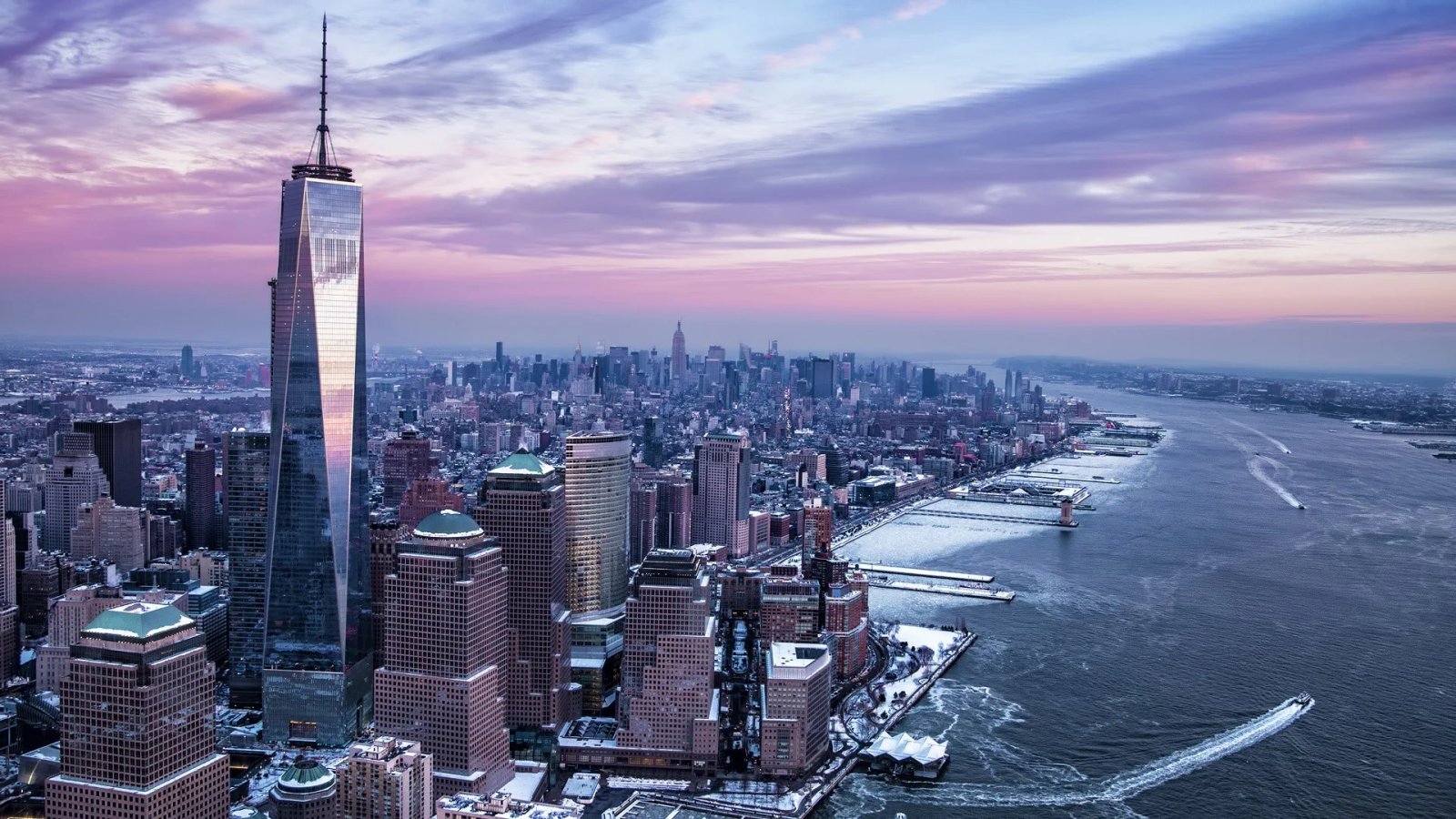
One World Trade Center rises as a beacon of resilience in New York City. Its height, officially 1,776 feet, marks the year of American independence. The building replaced the Twin Towers destroyed on 9/11. Its construction was a statement of strength and innovation. Yet, beneath the official narrative lie whispers of secrets and controversies. Some workers claim concrete used in the foundation may have been tampered with. Allegedly, the antenna was extended beyond approved plans. These rumors remain disputed but fuel debates about transparency. The project’s complexity rivals other iconic skyscrapers, like the Empire State Building. For a detailed comparison, see Empire State height race. The tower’s story blends engineering marvel with political symbolism.
THE OFFICIAL STORY
One World Trade Center, also called the Freedom Tower, stands on the World Trade Center site. Construction began in 2006 and finished in 2013. The tower reaches 1,776 feet to honor the Declaration of Independence. The height includes a 408-foot spire atop a 1,368-foot roof. The design features a strong concrete core and a steel frame. Concrete grades used reached 12,000 psi for the base to withstand extreme loads. Wind speeds up to 140 mph were accounted for in the structural design. The building meets LEED Gold standards for sustainability. Security was a top priority after 9/11, with blast-resistant materials and a fortified lobby. Official records show rigorous inspections and tests throughout construction. Worker safety protocols were strict, with over 3,500 workers on site at peak times. The antenna’s approved height was fixed well before completion, according to official blueprints.
THE CONSPIRACY
The conspiracy centers on the tower’s height and concrete quality. Critics argue the 1,776-foot figure was a political statement. They allege the antenna was extended by 30 feet after the design freeze to surpass other skyscrapers. This extension remains disputed; no official documents confirm it. Workers claim they witnessed last-minute modifications to the spire. Additionally, an anti-government group alleges concrete batches were tampered with to reduce costs or speed delivery. According to unverified accounts, some concrete did not meet the 12,000 psi strength requirement. No formal investigation confirmed these claims. The rumors fuel distrust in the project’s transparency. The conspiracy also touches on the symbolic importance of the height, suggesting political motives overshadowed engineering integrity. For another complex political and height controversy, see Golden Gate safety net debates. The truth about these allegations remains buried beneath layers of official statements and worker testimonies.
THE POSITIVE IMPACT
Despite controversies, One World Trade Center stands as a symbol of hope and resilience. It revitalized Lower Manhattan’s economy and skyline. The building incorporates sustainable features like rainwater recycling and energy-efficient glass. It serves as a model for secure skyscraper design in a post-9/11 world. The project created thousands of jobs and attracted businesses back to the area. Its security measures have influenced building codes worldwide. The tower’s symbolic height inspires patriotism without compromising safety. Its construction demonstrated advanced engineering techniques, including high-performance concrete and tuned mass dampers to reduce sway. The building proves that innovation can coexist with symbolism and security. It remains a testament to American determination to rebuild stronger after tragedy.
THE BURIED INVENTION
One lesser-known innovation in the tower’s construction is the use of ultra-high-performance concrete (UHPC). This concrete type offers superior strength and durability. Engineers used UHPC in key structural elements for added blast resistance. The formula includes fine powders and fibers to improve toughness. This technology was a plausible construction secret to increase security without adding excessive weight. The concrete mix was tested rigorously for compressive strength, exceeding 15,000 psi in some samples. Its use helped meet strict building codes requiring resistance to potential terrorist attacks. UHPC’s performance in One World Trade Center influenced future skyscraper designs. This advanced material remains a hidden hero behind the tower’s imposing strength and safety.
HUMAN COST & UNTOLD STORIES
The human cost of rebuilding One World Trade Center is often overshadowed by symbolism. Thousands of workers faced hazardous conditions over eight years. Construction involved complex steel erection and concrete pours at dizzying heights. In one account, workers claim inadequate rest periods and extreme weather caused accidents. Official reports list several injuries but no confirmed fatalities during the main build. Nonetheless, rumors persist of underreported incidents related to concrete delivery and antenna installation. Many workers come from immigrant backgrounds, adding layers of social tension. Their stories reveal the physical and emotional toll behind the gleaming facade. These untold narratives remind us that monumental structures are built by human hands enduring immense pressure and risk.
THE LEGACY
One World Trade Center’s legacy is a mix of triumph and unresolved questions. It reshaped New York’s skyline and influenced skyscraper security worldwide. Yet, questions linger. WHAT NO ONE ASKS: Why did regulators approve the antenna height without public scrutiny? WHO BENEFITED MOST from the symbolic 1,776-foot figure? The building embodies resilience but also political theater. Its story is a reminder that engineering feats often carry hidden agendas and human stories. For a legacy comparison, see Abraj Al Bait heritage destruction. The tower remains a powerful but enigmatic monument to a nation’s darkest day and brightest hope.
COMPARISON TO SIMILAR STRUCTURES
- Empire State height race — Both towers symbolize American ambition with contested height claims.
- Golden Gate safety net — Focus on safety innovations amid public controversy.
- Abraj Al Bait heritage destruction — A clash of modern engineering and cultural legacy.
THE LESSON
Transparency in monumental projects is essential. Symbolism must never override safety or truth. The stories behind One World Trade Center warn us to question what lies beneath the surface.
CALL TO ACTION
Subscribe to our newsletter for more untold engineering dark stories and hidden construction secrets.
Leave a Reply