INTRODUCTION
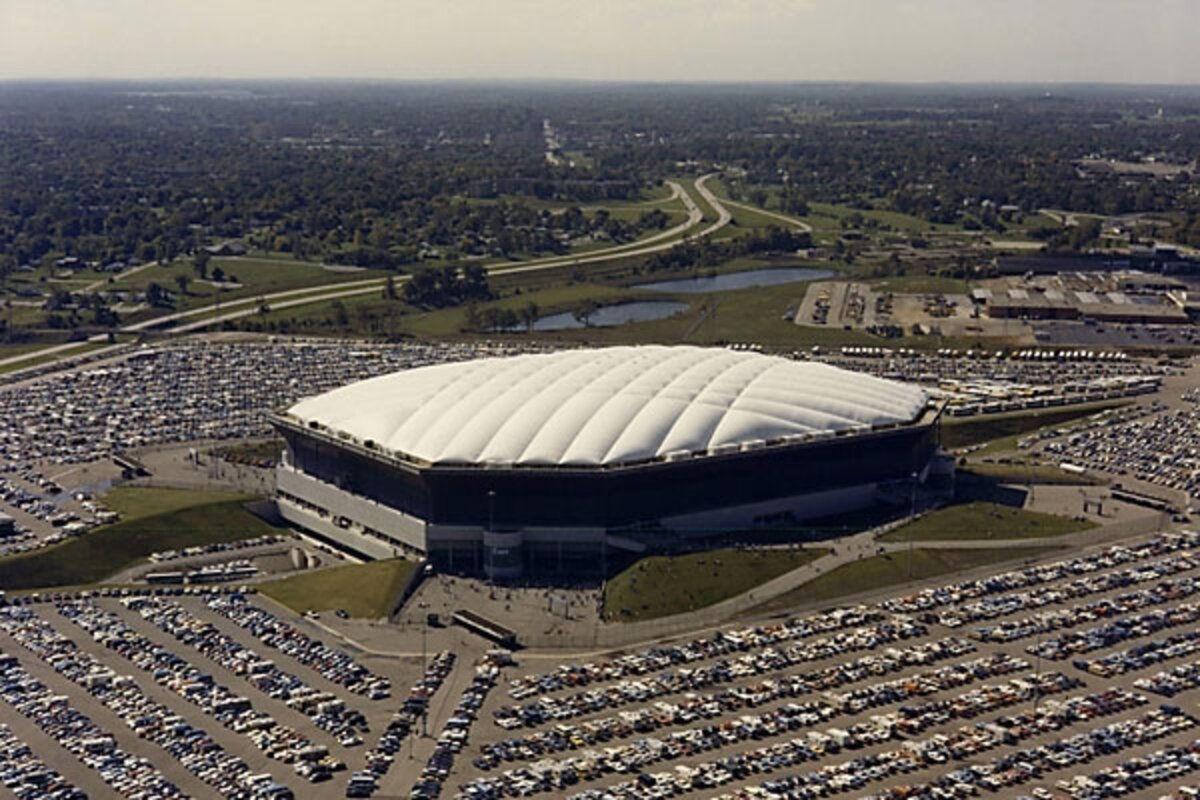
The Pontiac Silverdome was once a proud symbol of Michigan’s sports heritage. It hosted NFL games, concerts, and events. But in 2013, it became a haunting reminder of negligence. The INFLATABLE ROOF collapsed under heavy snow. This happened EIGHT YEARS after the stadium closed. Allegedly, air blowers were left on a 1970s maintenance schedule.
The stadium had cost $55 million to build. Yet it was sold for a mere $583,000. This shocking depreciation raises questions about management and maintenance. Could this collapse have been averted?
To explore this story, we must dive deeper into the events surrounding the Silverdome.
THE OFFICIAL STORY
Opened in 1975, the Pontiac Silverdome was an architectural marvel. It featured a unique inflatable Teflon roof. This innovation allowed for a flexible design. The stadium could host diverse events, showcasing its versatility. However, as time passed, the roof’s maintenance was neglected.
In 2002, the Detroit Lions moved to a new stadium. The Silverdome fell into disrepair. Maintenance costs skyrocketed. The city struggled to maintain the structure. Once vibrant, the stadium became a ghost of its former self.
In December 2013, tragedy struck. Heavy snow accumulated on the roof. The structure was no longer capable of withstanding the weight. The roof collapsed dramatically. This event raised eyebrows and sparked investigations into management practices.
How could a structure designed to withstand such forces fail? The official narrative points to poor maintenance. But whispers of deeper issues linger.
THE CONSPIRACY
Rumors swirl around the Silverdome’s collapse. Some allege that critical maintenance had been ignored for years. Workers claim that budget cuts led to a skeleton crew. They were unable to perform necessary inspections. According to unverified accounts, air blowers were not replaced. They operated on outdated schedules. This negligence set the stage for disaster.
One theory suggests that the management overlooked the roof’s vulnerabilities. In an effort to save costs, they ignored expert advice. Allegedly, engineers warned about potential risks. Yet, the message was lost in bureaucratic red tape.
The stadium’s fate was sealed when the roof collapsed. This incident revealed not just structural weaknesses but also deeper issues in management. Was it a simple maintenance failure? Or was it a reflection of systemic neglect?
The collapse of the Silverdome has become a cautionary tale. It serves as a reminder of the consequences of negligence. The public deserves transparency in managing public resources.
THE POSITIVE IMPACT
Despite its tragic end, the Pontiac Silverdome has had a lasting impact. It was a space that brought joy to thousands. The stadium hosted memorable events, uniting people from different backgrounds. The collapse, however, spurred conversations about infrastructure maintenance.
Local governments took notice. The Silverdome’s fate encouraged stricter regulations for public buildings. Authorities began to prioritize maintenance. This shift could prevent similar disasters in the future. Public awareness grew about the importance of oversight.
In many ways, the collapse sparked a renaissance in infrastructure care. Communities rallied around the need for better management. The Silverdome’s legacy became a catalyst for change.
THE BURIED INVENTION
The Silverdome’s inflatable roof was a cutting-edge invention. But it had its flaws. Designers overlooked essential maintenance protocols. Workers alleged that the technology was ahead of its time but poorly understood. The failure to adapt to changing standards contributed to its downfall.
In one account, the roof’s design was criticized for its reliance on outdated technology. The materials used were not resilient enough for long-term use. As snow piled up over the years, the weaknesses became apparent. The lack of innovation in maintenance practices led to failure.
This story highlights the importance of evolving with technology. Innovations must be coupled with responsible management. Otherwise, even the brightest ideas can end in tragedy.
HUMAN COST & UNTOLD STORIES
Behind the Silverdome’s collapse lies a human cost. Workers faced job losses as the stadium fell into disrepair. Families depended on the jobs that were lost due to neglect. The SILENCED VOICES of these workers tell a story of hardship.
Additionally, the collapse affected the community. Local businesses suffered from reduced traffic. The vibrant atmosphere that once surrounded the stadium vanished. Allegedly, residents felt abandoned as the stadium turned into an eyesore.
The untold stories of the people impacted are often overlooked. They remind us that infrastructure failures affect real lives. Maintaining such structures is not just about bricks and mortar. It’s about the people who rely on them.
THE LEGACY
The Pontiac Silverdome’s story will not be forgotten. It serves as a powerful lesson in the importance of maintenance. The public must demand accountability from management. The collapse raised critical questions about infrastructure care.
WHAT NO ONE ASKS: How did such neglect happen in the first place? It remains disputed whether the management was aware of the risks.
WHAT NO ONE ASKS: Could more proactive measures have saved the Silverdome? Local leaders must reflect on the past to secure the future.
This legacy is one of caution and reflection. The Silverdome must remind us of our responsibilities. We must prioritize maintenance and transparency.
For more on similar structures, check out Singapore Sports Hub Cooling and Moses Mabhida Arch Miscalculation.
COMPARISON TO SIMILAR STRUCTURES
- Singapore Sports Hub — A modern approach to stadium design
- Moses Mabhida Stadium — Architectural marvel with its challenges
- Cape Town Stadium — A costly investment with ongoing debates
THE LESSON
Every structure tells a story. We must learn from the Silverdome’s collapse. Negligence has real consequences.
CALL TO ACTION
Join us in advocating for better infrastructure maintenance. Subscribe to our newsletter for more stories on engineering’s hidden truths.
Leave a Reply