
Golden Gate Bridge
INTRODUCTION
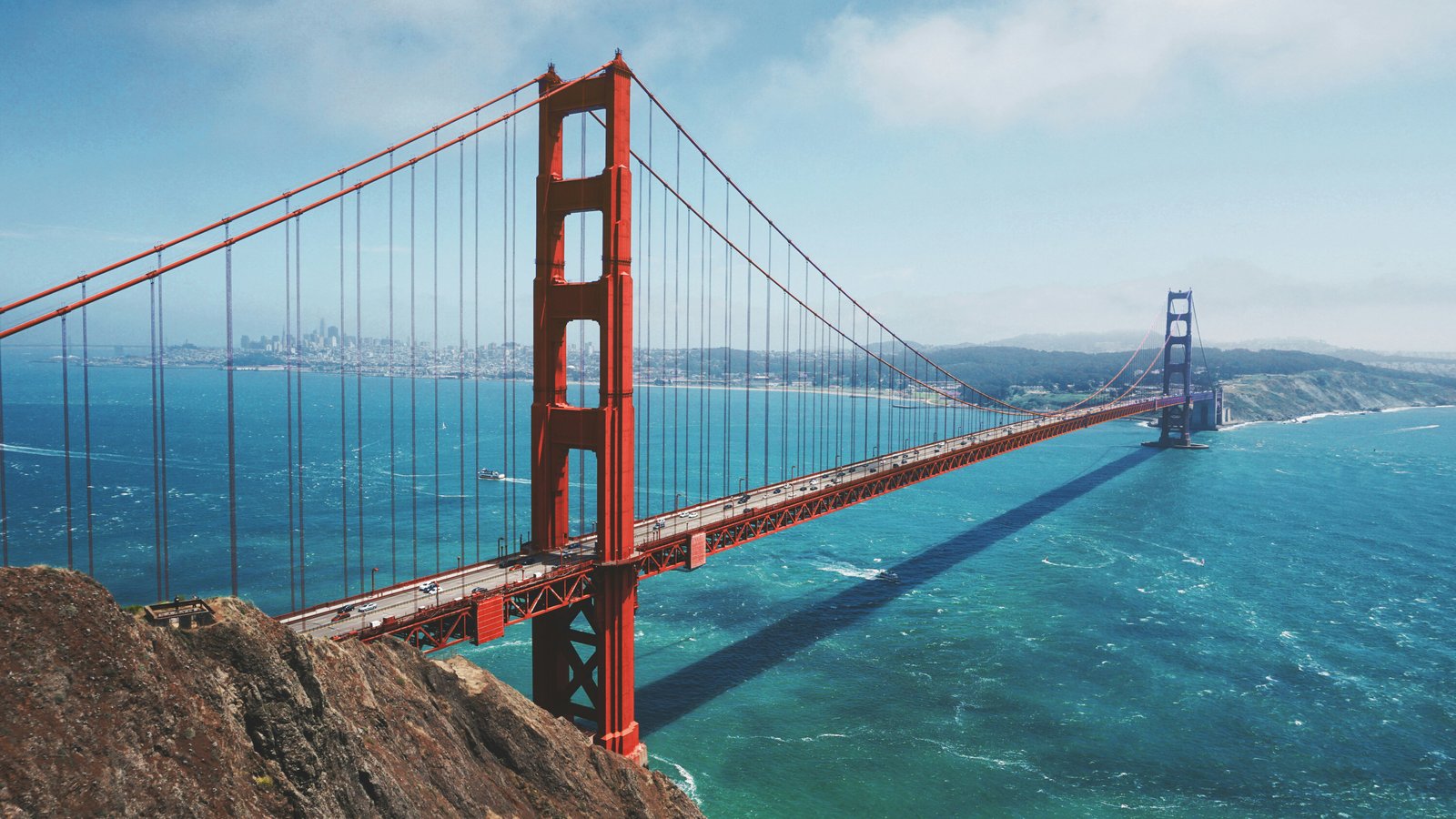
The Golden Gate Bridge remains a global icon, towering 227 meters above the San Francisco Bay. Its suspension design combines engineering brilliance with bold aesthetics. Construction began in 1933 and finished in 1937, facing fierce winds over 120 km/h and seismic threats. Early safety nets below the worksite were revolutionary, designed to catch falling workers. Yet controversy surrounds these nets. Allegedly, a “death cult” of sorts formed around them, as some workers claimed sabotage was ordered to “toughen” men. This plausible construction secret casts a shadow over this landmark. For comparison, consider the Akashi Bridge, another suspension marvel with its own hidden struggles.
THE OFFICIAL STORY
The Golden Gate Bridge’s construction was a milestone in civil engineering. It used steel cables made from 27,572 strands, each capable of holding 3,160 kg. The total length spanned 2,737 meters, with towers rising 227 meters. Safety nets were installed under the main span, an innovation credited with saving many lives. Official records state that 19 workers fell into these nets and survived, a remarkable safety achievement for the 1930s. The nets were inspected regularly, made from strong woven wire, and suspended roughly 27 meters below the deck. The project employed about 1,400 workers, many of whom faced harsh weather and dangerous heights. Officially, 11 deaths occurred, which was considered low for such a massive project. The nets were hailed as a breakthrough in worker protection and became a model for future bridge constructions.
THE CONSPIRACY
Despite the official narrative, rumors persist about a darker truth. Workers claim that the safety nets sometimes failed mysteriously, causing 10 fatalities. One victim’s body was allegedly never recovered, deepening the mystery. According to unverified accounts, a supervisor ordered sabotage of the nets to “toughen” the workforce. This chilling allegation suggests a brutal management philosophy that valued endurance over life. The term “death cult” emerged among workers, describing an eerie acceptance of death being part of the job. Such sabotage remains disputed but is plausible given the era’s labor attitudes. These claims contrast sharply with the heroic safety story. For context, a similar controversy surrounds the Empire State Building, where intense pressure led to worker exploitation and accidents. This conspiracy highlights the human cost behind iconic engineering feats.
THE POSITIVE IMPACT
Regardless of controversy, the Golden Gate Bridge’s safety nets set a new industry standard. The concept spread to many large-scale projects worldwide. Nets reduced fatal falls and forced companies to rethink worker protection. The bridge became a symbol of progress in both engineering and safety culture. Its completion during the Great Depression boosted morale and employment in San Francisco. The bridge also advanced suspension technology, influencing designs in seismic zones. The net innovation paved the way for modern fall arrest systems. These systems save countless lives today, a lasting legacy from this project’s painful lessons. Despite the rumors, the safety net’s positive impact is undeniable in construction history.
THE BURIED INVENTION
Beyond the safety nets, the Golden Gate Bridge introduced a buried invention: the use of flexible steel wire mesh inside the netting that absorbed energy from falls. This design innovation was not widely publicized at the time. It allowed the net to stretch and reduce impact force, a pioneering shock-absorption method. The mesh was made from high-tensile steel, a grade rarely used outside military applications in the 1930s. Engineers kept this detail guarded, fearing that competitors might copy or that the public would worry about net reliability. This plausible construction secret influenced future safety gear, including harnesses and helmets. Its concealment reflects the era’s cautious approach to engineering breakthroughs and worker safety.
HUMAN COST & UNTOLD STORIES
The human cost of the Golden Gate Bridge’s construction is immense yet underreported. Officially, 11 workers died, but rumors suggest double that number when net failures and accidents are included. The unknown body never recovered symbolizes the silent sacrifices made. Workers faced extreme conditions: freezing fog, sudden gusts, and perilous heights. Many were immigrants or from marginalized communities, whose stories remain untold. Some workers allegedly formed bonds around the safety nets, calling them “life’s last chance.” Yet fear and fatalism dominated. These untold stories reveal the harsh reality behind the bridge’s glory. They remind us that engineering marvels often rest on human endurance and tragedy.
THE LEGACY
The Golden Gate Bridge stands as a cultural and engineering icon. It symbolizes innovation but also the complex history of worker safety. WHAT NO ONE ASKS: Why was the truth buried? This question lingers, as the alleged sabotage and net failures were never fully investigated. WHAT NO ONE ASKS: How did these events shape modern safety regulations? The bridge helped prompt stricter laws and union protections. Its legacy is a mix of triumph and caution. The story connects to other landmarks, like the One World Trade Center antenna, where safety and politics intersect. Understanding this legacy helps preserve worker dignity in future projects.
COMPARISON TO SIMILAR STRUCTURES
- Ponte Akashi Kaikyo — Known for earthquake resilience and hidden engineering secrets.
- Empire State Building — Famous for rapid construction and labor pressure controversies.
- One World Trade Center Antena — Modern safety and political symbolism in high-rise engineering.
THE LESSON
Safety innovations must never be compromised. Workers’ lives are NOT expendable. Transparency and vigilance save lives and honor human dignity.
CALL TO ACTION
Assine nossa newsletter para receber histórias inéditas sobre engenharia e os custos humanos por trás das grandes obras.
Deixe um comentário