
Slauerhoffbrug
INTRODUCTION
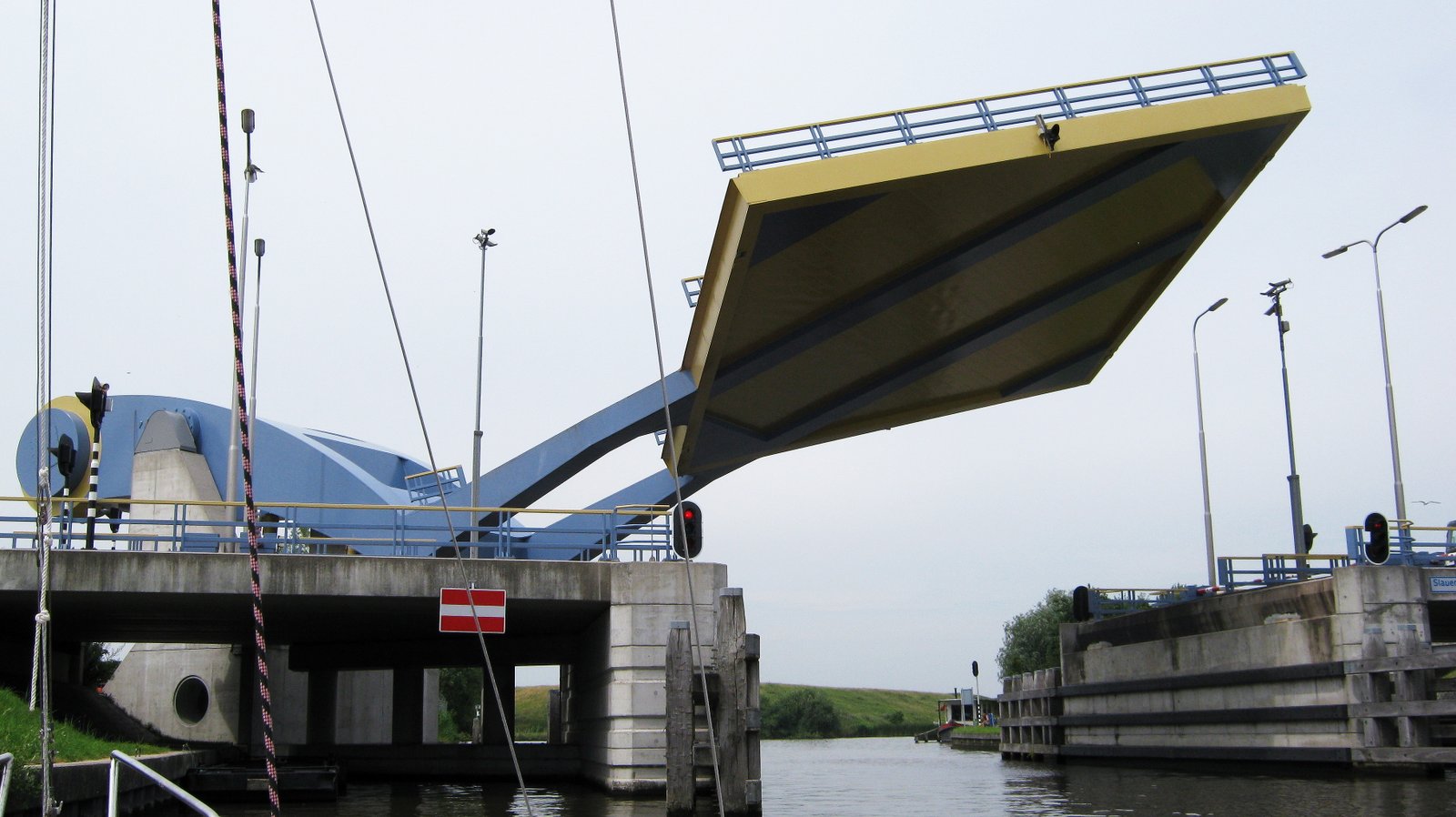
Slauerhoffbrug is a striking flying drawbridge in the Netherlands, known for its sleek automated lift design. This innovative bridge spans a busy canal in Leeuwarden and lifts to allow water traffic to pass. Its unique mechanism and modern engineering have drawn attention worldwide. Yet, the bridge’s story is not without controversy. During a lift, the entire bridge arm suddenly dropped one meter, crashing onto a police boat below. The driver blamed radio interference from a nearby prison for the failure. This incident remains disputed but highlights the dangers in modern bridge automation. The bridge’s tale intertwines with other engineering mysteries like the Gateshead Bridge hack attempt, revealing how technology and human error collide in infrastructure projects.
THE OFFICIAL STORY
The Slauerhoffbrug was officially inaugurated in 2003. Its design features a flying bridge arm that lifts vertically using automated controls. The structure is 40 meters long and weighs approximately 150 tons. It uses advanced hydraulic systems and radio signals to synchronize operations. The official explanation of the 2010 incident states that a temporary radio glitch caused a brief loss of communication between the control center and the bridge arm. As a result, the arm dropped about one meter unexpectedly. Fortunately, no major injuries occurred. The police boat that was docked below suffered damage but remained afloat. The bridge was immediately closed for inspection and repairs. Engineers confirmed that the concrete foundations used grade C30/37 concrete, strong enough to support the bridge’s dynamic loads. The automated system was updated to prevent future failures, and additional radio frequency testing was mandated.
THE CONSPIRACY
Despite the official explanation, rumors and worker accounts suggest a different story. Allegedly, the proximity of a high-security prison near the bridge caused radio interference strong enough to disrupt the lift controls. In one account, the prison’s communication equipment emitted unexpected signals during a scheduled lift, confusing the bridge’s automated system. Workers claim this interference was known but downplayed by authorities to avoid costly modifications. Some engineers privately expressed concerns about the bridge’s dependence on wireless signals in a complex urban environment. The possibility of sabotage remains disputed, though no evidence has surfaced to confirm it. The incident echoes other strange bridge failures, such as the Helix Bridge DNA curse, where unexplained technical glitches sparked conspiracy theories. The Slauerhoffbrug event remains a plausible construction secret about the risks of automation near sensitive installations.
THE POSITIVE IMPACT
Despite the dramatic failure, the Slauerhoffbrug represented a leap forward in bridge engineering. Its flying drawbridge design reduced the space needed compared to traditional bascule bridges. The automated lift allowed for faster openings and closings, improving traffic flow on both water and road. The incident prompted engineers to advance safety protocols and improve radio signal shielding in bridge systems. The bridge now serves as a model for integrating technology with infrastructure while highlighting the need for redundancy. Local authorities invested in better monitoring and emergency response plans. The bridge continues to operate safely, connecting neighborhoods and supporting commerce. Its iconic form and function have inspired similar projects worldwide. The event underscored the importance of balancing innovation with caution in public works.
THE BURIED INVENTION
A lesser-known fact is that the Slauerhoffbrug incorporates a pioneering automated lift control system developed in the early 2000s. This system used a patented wireless protocol designed to synchronize bridge arm movements precisely. The invention aimed to eliminate mechanical linkages and speed up maintenance. Unfortunately, the 2010 failure exposed vulnerabilities in this novel approach. The buried invention behind the bridge’s lift was quietly revised and its patents updated to include interference mitigation features. Engineers later applied these improvements to other Dutch drawbridges. This invention marked an important step in bridge automation but remains overshadowed by the failure. It represents a milestone in wireless control for heavy infrastructure, blending mechanical engineering with early internet-of-things concepts.
HUMAN COST & UNTOLD STORIES
The Slauerhoffbrug failure caused more than just technical headaches. The police boat damaged during the drop was occupied by officers on duty, causing stress and near injury. Workers involved in repairs reported increased pressure and long hours to restore the bridge quickly. Some claim that the incident revealed gaps in safety culture among contractors. Allegedly, concerns about radio interference were raised but ignored to meet tight schedules. The community experienced temporary disruptions, and local businesses faced delays in deliveries. These human costs remain largely untold amid the technical focus on the failure. The incident reminds us that behind every engineering marvel lie real people affected by its flaws and risks. Transparency and worker voices are crucial in preventing similar events in the future.
THE LEGACY
Slauerhoffbrug stands today as a testament to innovation shadowed by controversy. The failure sparked debates on automated infrastructure safety and the limits of wireless technology. WHAT NO ONE ASKS: Why did regulators approve the design despite proximity to a high-interference zone? WHAT NO ONE ASKS: How much was hidden about the prison’s radio emissions? The bridge’s legacy includes tougher regulations and improved public awareness. It also inspired engineers to rethink control systems in critical structures. The story of Slauerhoffbrug continues to influence Dutch engineering and beyond. For a broader perspective on bridge mysteries, see the Erasmus Bridge cable snap. The Slauerhoffbrug’s tale is a cautionary chapter in the evolving saga of smart infrastructure.
COMPARISON TO SIMILAR STRUCTURES
- Gateshead Bridge hack attempt — Another case of technology vulnerabilities in bridge controls.
- Helix Bridge DNA curse — Mysterious technical failures fueling conspiracy theories.
- Erasmus Bridge cable snap — Structural failure highlighting human and engineering risks.
THE LESSON
Innovation without full risk assessment invites disaster. Transparency and caution must guide every step of engineering progress.
CALL TO ACTION
Subscribe to our newsletter for more untold engineering dark stories and hidden truths behind iconic structures.
Leave a Reply