The Vessel (NYC)
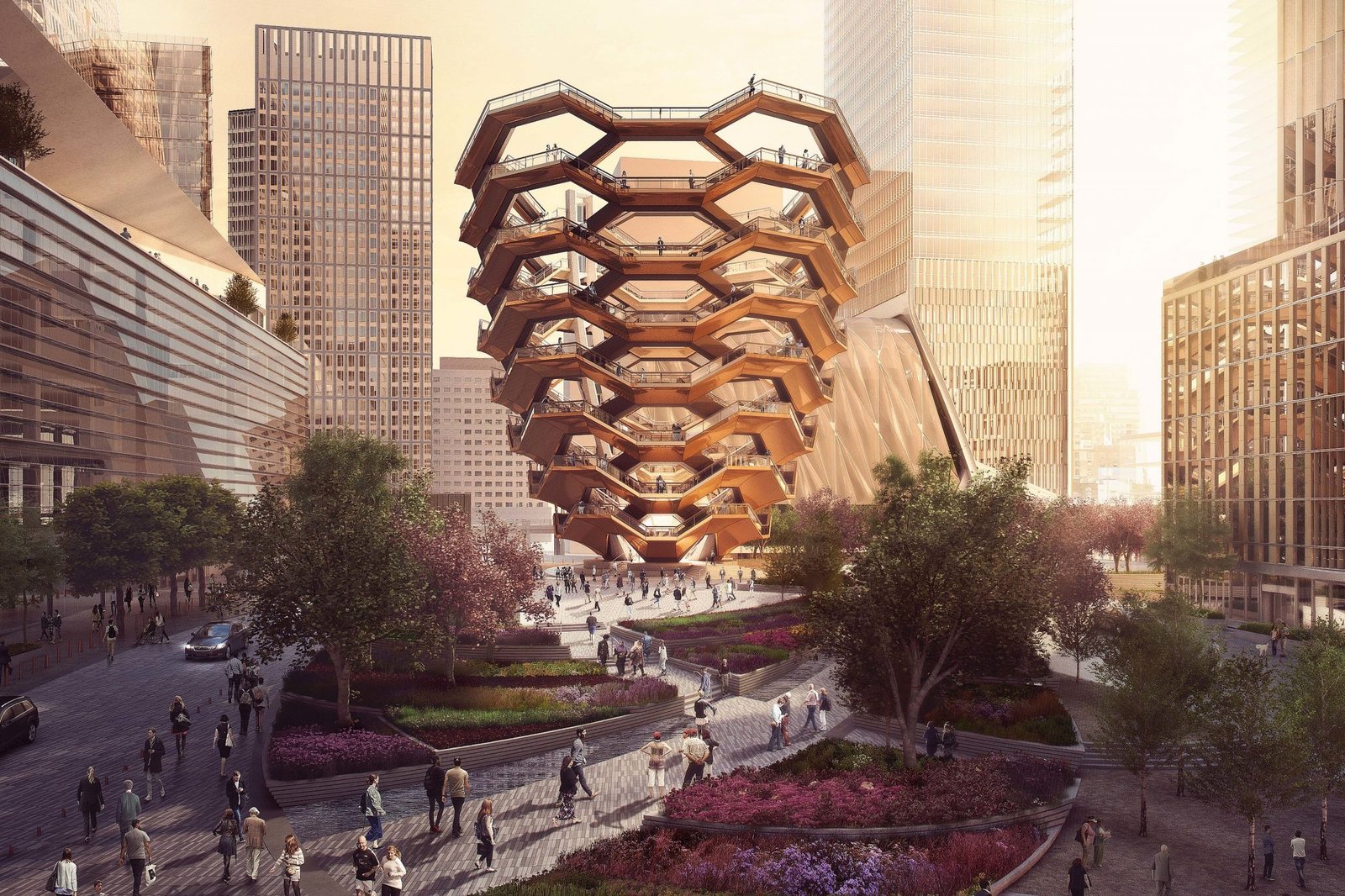
The Vessel was designed as a public marvel with spiral staircases. But it lacked anti-suicide measures. Four deaths followed. Workers reportedly warned about easy climb ledges on copper cladding. The structure’s closure reveals a hard lesson on design responsibility and human cost.
INTRODUCTION
The Vessel is a striking public landmark located in New York City’s Hudson Yards. Its honeycomb of interconnected staircases spirals upward, inviting visitors to explore its complex geometry. Officially opened in 2019, the Vessel quickly became a popular destination for tourists and locals alike. However, beneath its impressive design lies a troubling story. Workers claimed the copper cladding featured easy climb ledges, which posed a serious safety risk. Despite these warnings, the design went forward without anti-suicide modifications. This tragic oversight led to multiple suicides and eventually forced the structure’s closure. For those curious about other architectural mysteries, the Mercedes Stadium Roof Hack reveals another tale of engineering secrets.
THE OFFICIAL STORY
The Vessel was conceived as an interactive art piece and urban landmark. Designed by Thomas Heatherwick and his studio, the structure stands roughly 46 meters tall with 154 flights of stairs and 2,500 steps. The exterior is clad in polished copper, giving it a warm, reflective surface. The official narrative emphasizes public engagement and architectural innovation. The steel frame rests on reinforced concrete foundations rated at 40 MPa strength. Safety measures included railings and lighting but did not incorporate specific anti-suicide features. The New York City Department of Buildings approved the design after standard reviews. Public access was encouraged, and the Vessel opened in March 2019. The management stated it was committed to visitor safety and planned routine inspections. However, the official story does not mention any concerns about the copper cladding’s climbability or potential risks beyond standard safety protocols.
THE CONSPIRACY
Allegedly, workers involved in the construction warned early on that the copper cladding created easy-to-grip ledges. These ledges, according to unverified accounts, made climbing the exterior possible despite railings. Workers claim their warnings were dismissed by project managers and architects, who prioritized aesthetics over safety. The lack of anti-suicide design elements remains disputed by some officials, but four deaths by suicide occurred between 2020 and 2021. These tragedies forced the Hudson Yards authorities to close the Vessel indefinitely in December 2021. Critics argue the project ignored basic psychological safety measures, like barriers or netting, that could have prevented the deaths. This alleged negligence sparked public outcry and debates about responsibility in landmark design. For a different kind of architectural intrigue involving titanium theft, see the Guggenheim Titanium Heist.
THE POSITIVE IMPACT
Despite its dark shadow, the Vessel offered a unique public space unlike any other. Its open design encouraged physical activity and exploration. The staircases provided panoramic views of Manhattan, the Hudson River, and the city skyline. The structure became a cultural icon, featured in films, photography, and social media. It demonstrated innovative use of steel and copper in urban architecture. The Vessel also boosted tourism and economic activity in Hudson Yards, a redeveloped neighborhood. The project employed hundreds of workers during construction, using advanced fabrication techniques. Its presence inspired other cities to consider interactive vertical structures. The community gained a new gathering spot, blending art and architecture. This positive impact remains part of the Vessel’s complex legacy.
THE BURIED INVENTION
Beneath the visible design lies a plausible construction secret. The Vessel’s copper panels were custom-fabricated with a unique locking system intended to reduce maintenance costs and allow thermal expansion. This invention used concealed fasteners and flexible joints, designed to withstand New York’s temperature swings and high winds, which can reach up to 160 km/h in the area. The steel frame incorporated high-strength ASTM A572 Grade 50 steel, ensuring structural integrity. However, this innovative cladding system also created unintended horizontal ledges. These ledges, while structurally necessary, allegedly became climbing footholds. The hidden invention was a double-edged sword: it preserved the aesthetic but compromised safety. This buried technical detail remains little-known outside engineering circles but is crucial to understanding the design’s vulnerabilities.
HUMAN COST & UNTOLD STORIES
The human toll of the Vessel’s design flaw is tragic. Four individuals died by suicide, each event shaking the community and the city. Families and friends mourned losses that might have been prevented. Workers who voiced concerns reportedly faced pushback or were ignored. In one account, a steel fabricator described feeling helpless watching the warnings go unheeded. Mental health advocates criticized the lack of preventive measures. The closure of the Vessel left a void in public space but highlighted the severe consequences of design oversight. These untold stories remind us that behind every structure are lives affected by engineering choices. The Vessel’s story is a somber lesson in balancing beauty with responsibility.
THE LEGACY
The Vessel’s legacy is mixed. It remains a symbol of architectural ambition and tragic oversight. The closure sparked important questions about safety regulations and mental health awareness in public spaces. WHAT NO ONE ASKS: Why did regulators approve a design lacking anti-suicide features? WHAT NO ONE ASKS: Could earlier intervention have saved lives? The incident pushed the industry to reconsider safety in landmark design. The Vessel also raised awareness about the psychological impact of urban architecture. For more on how design controversies shape reputations, explore the The Edge Smart Hack. The legacy is a call for vigilance and empathy in engineering decisions.
COMPARISON TO SIMILAR STRUCTURES
- Mercedes Stadium Roof Hack — Complex design with hidden structural challenges.
- Guggenheim Titanium Heist — Innovative materials and security oversights.
- The Edge Smart Hack — Smart building technology with privacy risks.
During The Vessel’s construction, warnings about the copper cladding creating easy-to-climb ledges were allegedly ignored. This lack of anti-suicide design features was covered up despite worker concerns. The oversight contributed to multiple suicides and the structure’s eventual closure.
THE LESSON
Design must protect human life above all. Ignoring safety warnings can have irreversible consequences. Beauty cannot come at the cost of vulnerability.
CALL TO ACTION
Subscribe to our newsletter to uncover more hidden stories behind iconic structures and their untold truths.
Leave a Reply