INTRODUCTION
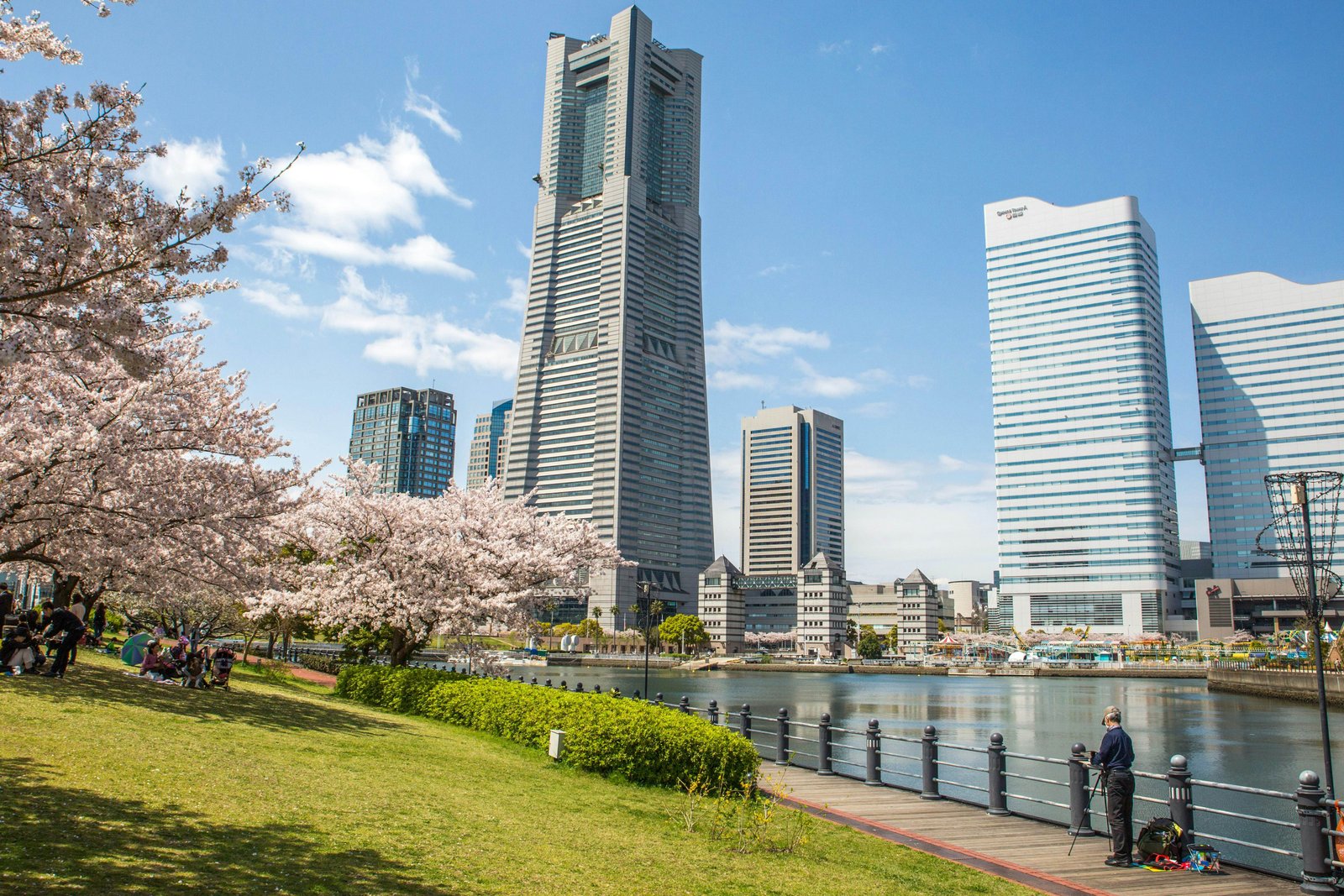
The Yokohama Landmark Tower stands as a symbol of modern engineering. Completed in 1993, it was once the tallest building in Japan. This 296-meter structure boasts an impressive speed elevator. It was marketed as the world’s fastest, reaching 750 meters per minute. But the story behind this feat is not as glamorous. Allegedly, a test ride resulted in severe injuries to three engineers. They suffered burst eardrums due to the elevator’s extreme speed. This incident led to a quiet reduction in speed before its official opening. To learn more about similar structures, check out Abeno Harukas.
THE OFFICIAL STORY
The official narrative celebrated the Yokohama Landmark Tower’s engineering marvel. It showcased cutting-edge technology. The elevator system was designed by a leading manufacturer, aiming for speed and efficiency. Each elevator could transport passengers quickly, enhancing the building’s appeal. However, the public was never informed about the alarming test results. The company downplayed the risks involved. They emphasized the building’s architectural beauty and its role in urban development. In the rush to impress, safety concerns were brushed aside. This neglect remains a concern in the industry. The official story glossed over the human cost behind such achievements.
THE CONSPIRACY
The conspiracy surrounding the Yokohama Landmark Tower’s elevator is chilling. The speed was reduced, but the reasons were never disclosed. Workers claim that management prioritized reputation over safety. Allegedly, they feared that revealing the injuries would tarnish the tower’s image. The elevator’s original speed was impressive, but it came at a cost. Reportedly, engineers expressed concerns during testing. Their warnings fell on deaf ears. This cover-up raises questions about accountability in construction. What else remains hidden in the pursuit of progress? To delve deeper into similar cover-ups, read about the Tokyo Skytree.
THE POSITIVE IMPACT
Despite the dark secrets, the Yokohama Landmark Tower has had a positive impact. It became a landmark in the skyline of Yokohama. The tower symbolizes economic growth and urban renewal. It attracts tourists and boosts local businesses. The elevator technology developed for this tower influenced future designs. Improvements in safety measures were implemented in later projects. The story of the Landmark Tower serves as a reminder. Engineering must prioritize human safety along with innovation. The lessons learned have shaped the industry.
THE BURIED INVENTION
Within the walls of the Landmark Tower lies a buried invention. Some say it was a safety mechanism that could have prevented the injuries. Remains disputed, workers allege that this technology was overlooked. They believed it could have adjusted the speed based on passenger conditions. This invention could have mitigated risks associated with rapid acceleration. Unfortunately, corporate interests overshadowed potential safety innovations. This is a common theme in construction history. The story of the Yokohama Landmark Tower is not unique.
HUMAN COST & UNTOLD STORIES
The human cost often remains untold. The three engineers who suffered injuries faced silent battles. They dealt with pain and recovery without public acknowledgment. Their stories highlight the risks taken in engineering. Workers claim that such incidents are often swept under the rug. The culture of silence persists in many industries. Safety protocols sometimes take a back seat to speed and efficiency. These untold stories call for attention. They remind us of the sacrifices made in the name of progress.
THE LEGACY
The legacy of the Yokohama Landmark Tower is complex. It represents innovation yet hides dark truths. WHAT NO ONE ASKS: How many similar incidents occur without recognition? The need for transparency in construction is crucial. It could prevent future tragedies. The tower stands tall, but at what cost? To explore more about its influence, visit Namsan Seoul Tower.
COMPARISON TO SIMILAR STRUCTURES
- Abeno Harukas — Comparison of height and design.
- Tokyo Skytree — Comparison of technology and safety measures.
- Namsan Seoul Tower — Comparison of visitor experience and engineering challenges.
THE LESSON
Safety must never be compromised for speed. Lessons from the past must guide future innovations.
CALL TO ACTION
Stay informed about the hidden stories of engineering. Subscribe to our newsletter for more insights.
Leave a Reply